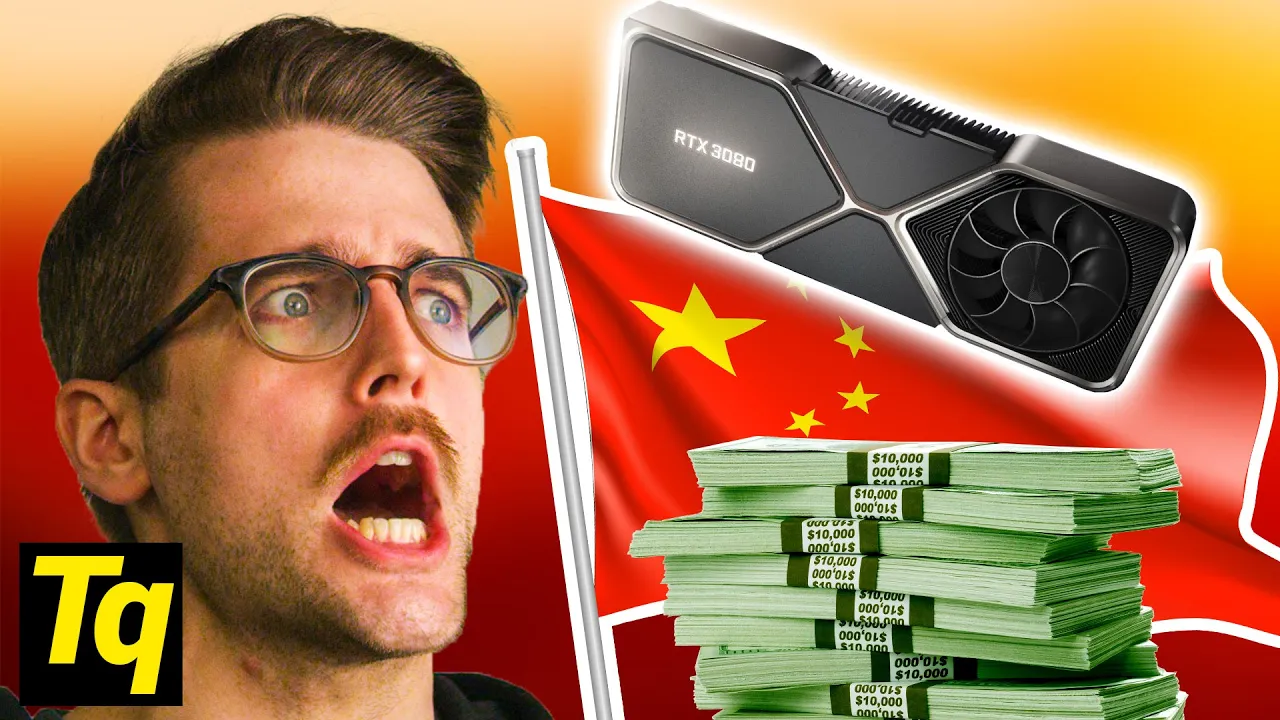
Why GPUs Are More EXPENSIVE
0 up · 0 down · 0 ratings
Promos
Try FreshBooks free, for 30 days, no credit card required at freshbooks.com Learn about the role tariffs play in electronics prices. Leave a reply with your requests for future episodes, or tweet them here: twitter.com ►GET MERCH: lttstore.com ►SUPPORT US ON FLOATPLANE: floatplane.com ►LTX EXPO: ltxexpo.com AFFILIATES & REFERRALS --------------------------------------------------- ►Affiliates, Sponsors & Referrals: lmg.gg ►Private Internet Access VPN: lmg.gg ►MK Keyboards: lmg.gg ►Nerd or Die Stream Overlays: lmg.gg ►NEEDforSEAT Gaming Chairs: lmg.gg ►Displate Metal Prints: lmg.gg ►Epic Games Store (LINUSMEDIAGROUP): lmg.gg ►Official Game Store: nexus.gg ►Amazon Prime: lmg.gg ►Audible Free Trial: lmg.gg ►Our Gear on Amazon: geni.us FOLLOW US ELSEWHERE --------------------------------------------------- Twitter: twitter.com Facebook: @LinusTech Instagram: @linustech Twitch: twitch.tv FOLLOW OUR OTHER CHANNELS --------------------------------------------------- Linus Tech Tips: lmg.gg TechLinked: lmg.gg ShortCircuit: lmg.gg LMG Clips: lmg.gg Channel Super Fun: lmg.gg Carpool Critics: lmg.gg
The video explains why graphics processing units (GPUs) have become expensive, focusing on how tariffs and government subsidies influence electronics prices, particularly for China-made components. It starts by defining tariffs as taxes on imported goods and notes that a large share of consumer electronics, including GPUs and motherboards, are manufactured in China. The host outlines how subsidies in China have long aided export-oriented companies, enabling them to price goods lower on international markets, which critics argue creates an uneven playing field. The discussion then moves to currency devaluation, explaining that if China keeps its currency undervalued, Chinese exports become cheaper for foreign buyers, further increasing competitive pressure on foreign manufacturers. The video references World Trade Organization rules and notes that countries have retaliated with punitive tariffs over the years to push back against subsidies and currency manipulation. It then ties these macroeconomic moves to the GPU market, noting that the Trump administration exempted some computer components, including GPUs, from tariffs in late 2019 but that the exemption expired, leading manufacturers to pass additional costs onto consumers through higher MSRP. The host predicts uncertain action from the Biden administration, suggesting that price pressures may persist for some time and that Americans could continue to feel the effects of global pricing dynamics. The segment ends with a light aside about tariffs affecting people in other regions, highlighting how high GPU prices are a global phenomenon, not just a U.S. issue, while segueing into sponsor content about an accounting tool for small businesses. Overall, the video links macroeconomic policy with consumer electronics pricing, providing concrete examples of how subsidies, currency values, and tariff policies translate into higher sticker prices for GPUs and related components. It emphasizes that while tariffs are controversial and broadly considered harmful to free trade, they are being used by multiple governments to influence export competitiveness. The host also notes that policy changes can be slow or uncertain, implying that price stabilization for GPUs will likely require coordinated policy shifts rather than quick market corrections. The narrative threads connect political decisions to everyday consumer outcomes, ending with practical advice on productivity tools while maintaining a forward-looking stance on whether prices will ease in the near term.
Topics · economics · technology · hardware · policy
Questions answered
- Why do tariffs affect GPU prices in the US and globally?
- Tariffs raise the cost of imported components, and since a large portion of GPUs and related electronics are manufactured in China, those costs can be passed to consumers when tariff exemptions expire or when manufacturers face higher import costs.
- What role do subsidies and currency values play in GPU pricing?
- Subsidies help Chinese exporters by lowering their production costs, enabling lower prices on the world market, while currency undervaluation makes Chinese goods cheaper for buyers abroad, both contributing to price competition and pressure on non-Chinese manufacturers.
- Will GPU prices drop soon after tariff policies change?
- Price movements depend on policy actions and how quickly manufacturers adjust costs; the video suggests that without policy changes, price increases may persist for some time.