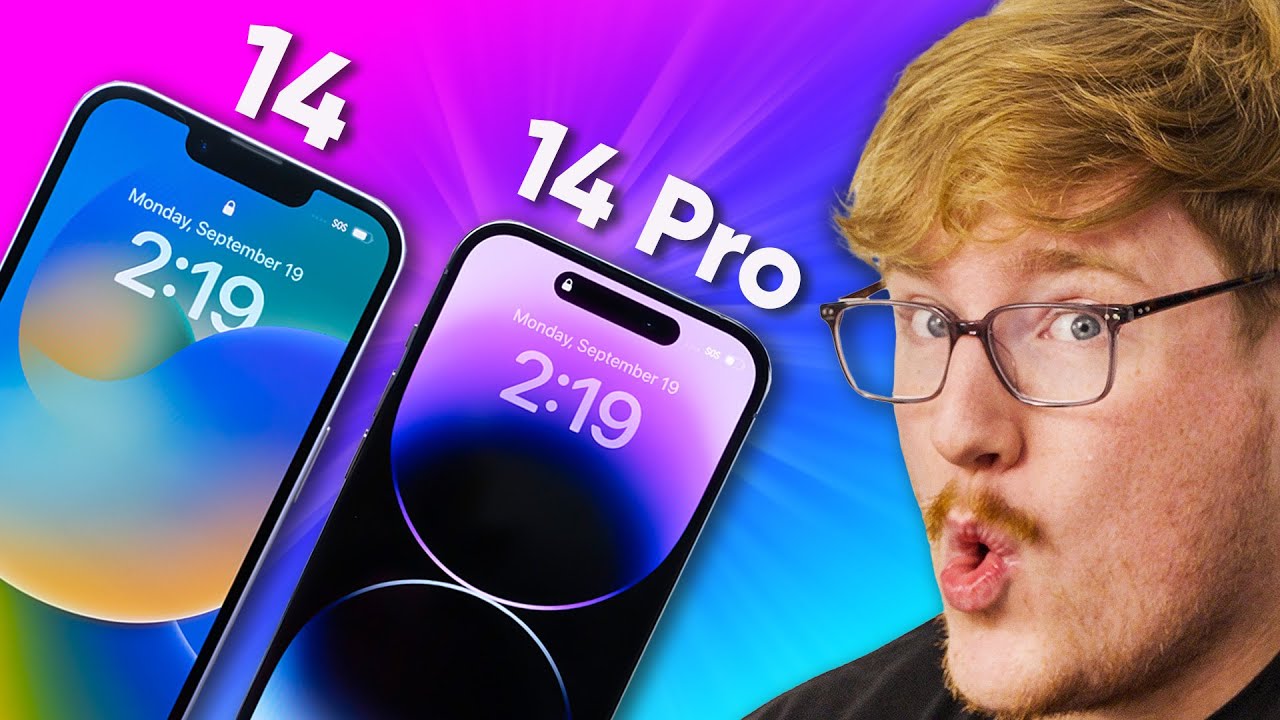
The new iPhone is great, but... - iPhone 14 & 14 Pro
0 up · 0 down · 0 ratings
Promos
Get a dbrand skin or grip for your new iPhone today at dbrand.com Today Jake is checking out the new iPhone 14 and 14 Pro from Apple, but are they better or worse than the previous generation? Purchases made through some store links may provide some compensation to Linus Media Group. Want us to unbox something? Make a suggestion at lmg.gg ► SUBSCRIBE ON FLOATPLANE: floatplane.com ► GET MERCH: lttstore.com ► AFFILIATES, SPONSORS & REFERRALS: lmg.gg ► PODCAST GEAR: lmg.gg ► SUPPORT US ON FLOATPLANE: floatplane.com FOLLOW US ELSEWHERE --------------------------------------------------- Twitter: twitter.com Instagram: @shortcircuityt TikTok: @linustech Facebook: @ShortCircuitYT CHAPTERS --------------------------------------------------- 0:00 Intro 0:28 Unboxing 1:43 Outside impressions 2:31 Display specifications 3:37 Always on display 4:54 SIM card slot is still here (for now) 5:39 Cameras specs 8:21 Internal specifications 9:17 Battery life 10:01 Dynamic island demo 12:33 Camera 15:40 Action mode 16:36 Speakers 17:12 Pricing 17:32 Conclusion 18:16 Outro
The video opens with an excited host eagerly tearing into the new iPhone 14 and 14 Pro packaging, noting the familiar box contents and the continued inclusion of a USB-C to Lightning cable but no power brick. The host points out practical hardware details such as the SIM card tray still being present in Canada, the use of Lightning instead of USB-C, and the overall exterior aesthetics that feel more reminiscent of the iPhone 4 lineage than the latest design language. The discussion then shifts to the two models, highlighting the Dynamic Island feature on the Pro, a brighter and adaptive display with up to 1600 nits HDR and a peak outdoors brightness around 2000 nits, along with the always-on display capability enabled by a variable refresh rate down to 1 Hz. The video carefully compares material quality, noting the Pro’s surgical-grade stainless steel versus the non-Pro’s aerospace-grade aluminum, and it emphasizes the tactile differences in feel and perceived durability between the two builds. Finally, the host dives into camera specifics, explaining the 48 MP wide sensor on the Pro, the quadruple-pixel merging strategy, and the software enhancements branded as photonic engine, all while demoing autofocus on the front camera and comparing ultra-wide and telephoto results in various lighting conditions. The conclusion weighs upgrade value, with the iPhone 14 being modestly priced and potentially not worth upgrading from the iPhone 13 except for certain users, while suggesting that earlier models may offer stronger value as prices drop and features trickle down. The host teases further tests and related unboxings, and invites viewers to share thoughts on the iPhone 14’s value, performance, and new features, ending with a call to engage through likes, subscriptions, and comments.
Topics · Technology · Mobile Phones · Consumer Electronics · Review · Unboxing
Questions answered
- What are the key hardware differences between the iPhone 14 and iPhone 14 Pro?
- The iPhone 14 Pro adds a brighter display, a larger Dynamic Island notch, a higher-end camera system with a 48 MP main sensor, and surgical-grade stainless steel construction, while the iPhone 14 uses a similar design with aerospace-grade aluminum and lacks the Dynamic Island and most of the Pro camera enhancements.
- Does the iPhone 14 Pro offer better battery life or performance than the iPhone 13?
- The iPhone 14 family generally offers small battery life improvements over the iPhone 13, with the Pro models showing stronger performance in graphics and processing tests, but real-world battery life varies with iOS 16 optimization and usage.
- What is Dynamic Island and how does it work on the Pro model?
- Dynamic Island is a redesigned notch area that expands to show ongoing activities like screen recording, calls, and navigation controls, integrating system notifications into the display area for quick access.
- Is SIM card removal a potential issue for travelers or switchers in Canada or the US?
- In the US there is no SIM card slot on the newer iPhones, which shifts the activation to eSIM, while Canada continues to include a physical SIM tray for now; the move could affect users who rely on swapping SIMs across devices.