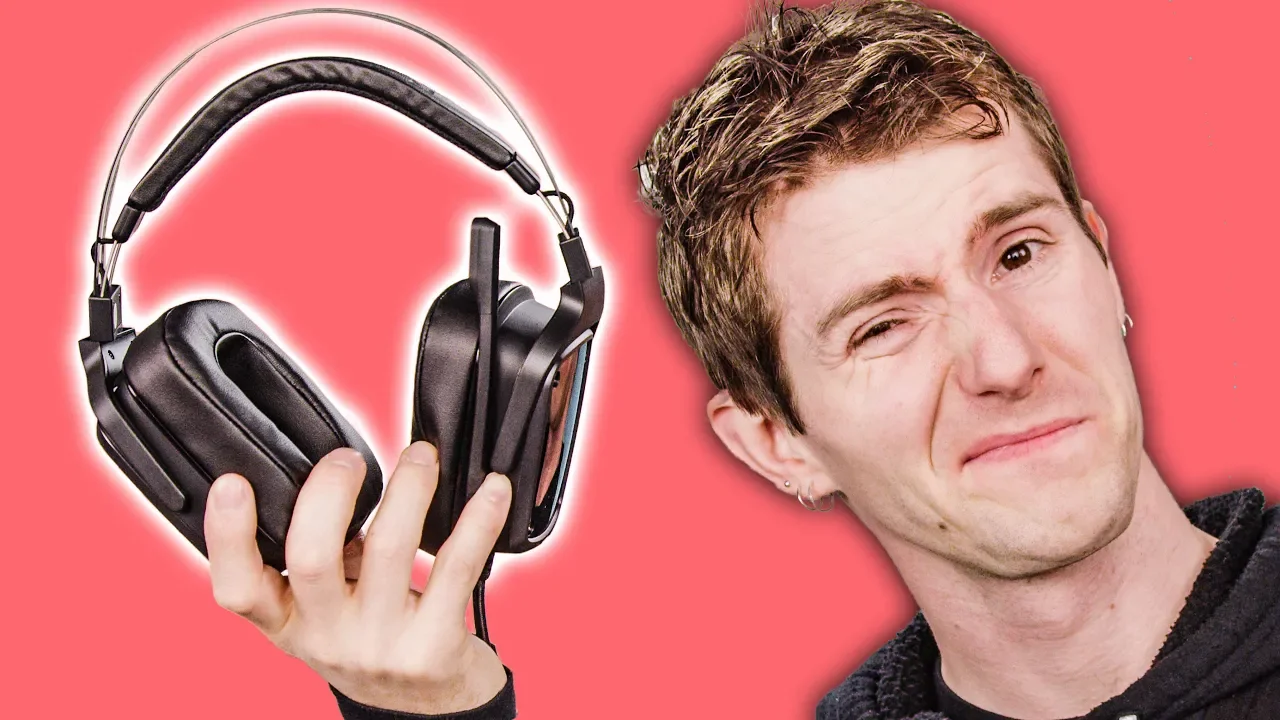
Are Surround Gaming Headphones BS?
0 up · 0 down · 0 ratings
Promos
Ever wondered what "virtual 7.1" means? Is "true 7.1" better? Whose is the most convincing? We've got the answer! Buy "true 7.1" headsets on Amazon: Razer Tiamat 7.1 v2 (10-driver): geni.us Buy virtual 7.1 headsets on Amazon: Razer ManO'War 7.1 (Razer Surround): geni.us ASUS STRIX Fusion 700 (ASUS proprietary): geni.us SteelSeries Arctis Pro (DTS Headphone:X 2.0): geni.us Logitech G933 (DTS Headphone:X): geni.us Buy surround DACs on Amazon: Sennheiser GSX-1200 Pro (Sennheiser proprietary): geni.us Sound BlasterX AE-5 (BlasterX Acoustic Engine Pro): geni.us Discuss on the forum: linustechtips.com Our Affiliates, Referral Programs, and Sponsors: linustechtips.com Get Private Internet Access today at geni.us Linus Tech Tips merchandise at lttstore.com Linus Tech Tips posters at crowdmade.com Our Test Benches on Amazon: amazon.com Our production gear: geni.us Twitter - twitter.com Facebook - @LinusTech Instagram - @linustech Twitch - twitch.tv Intro Screen Music Credit: Title: Laszlo - Supernova Video Link: youtube.com iTunes Download Link: itunes.apple.com Artist Link: soundcloud.com Outro Screen Music Credit: Approaching Nirvana - Sugar High youtube.com
The video opens by reframing the question of whether surround gaming headsets are worthwhile, starting with a practical curiosity about what true 7.1 surround means inside a headset. The presenter explains two main approaches to surround sound: head related transfer function (HRTF) based virtual surround, which uses software processing to simulate direction from a stereo signal, and true multi-driver or 7.1 designs that physically channel different sounds to targeted ears. The discussion then broadens to how studios and game developers have long used object-based and positional audio, and how current technologies like Dolby Atmos and DTS Headphone:X attempt to place sounds in a 3D space and adapt to your actual listening setup. A hands-on science test is described, including a blind headset choice, a live aiming task with bots, and a horizontal-direction assessment to measure where players think sounds originate. The video makes clear that the general claim “true 7.1 is better” is not straightforward, as the system’s effectiveness depends on head size, headset design, driver count, and software processing, setting up a nuanced comparison. The host previews the results, highlighting that software-based solutions often outperform hardware-heavy designs, and emphasizes that your best gaming audio may come from good headphones paired with a suitable processing solution rather than a special headset itself.
Topics · Technology · Audio
Questions answered
- What are the two main surround sound approaches discussed for gaming headsets?
- The video contrasts HRTF based virtual surround processing in software with true multi-driver headset designs that attempt to deliver separate channels directly to the ears.
- What is the practical takeaway about surround gaming headsets from the test results?
- Software processing like Dolby Atmos or DTS Headphone:X often yields better results than hardware 7.1 headsets, and the best approach is good headphones paired with effective processing rather than a specialized headset.