BIG News from Intel!
0 up · 0 down · 0 ratings
Promos
► LISTEN TO THE TECH NEWS: lmg.gg ►GET MERCH: lttstore.com ►SUPPORT US ON FLOATPLANE: floatplane.com ►LTX EXPO: ltxexpo.com NEWS SOURCES: lmg.gg --------------------------------------------------- Timestamps: 0:00 choose optimism 0:15 Intel Loihi 2 1:22 ASUS x Noctua RTX 3070 2:27 Facebook vs Congress 4:10 QUICK BITS 4:15 USB Type-C 240W charging 4:41 Fairphone 4 orders launch 5:14 Corsair's first gaming monitor 5:46 Nreal Air smart glasses 6:11 Google says Bing users search for Google AFFILIATES & REFERRALS --------------------------------------------------- ►Affiliates, Sponsors & Referrals: lmg.gg ►Private Internet Access VPN: lmg.gg ►MK Keyboards: lmg.gg ►Nerd or Die Stream Overlays: lmg.gg ►Official Game Store: nexus.gg ►Amazon Prime: lmg.gg ►Audible Free Trial: lmg.gg ►Our Gear on Amazon: geni.us FOLLOW US ELSEWHERE --------------------------------------------------- Twitter: twitter.com Instagram: @TechLinkedYT Facebook: @TechLinked FOLLOW OUR OTHER CHANNELS --------------------------------------------------- Linus Tech Tips: lmg.gg Mac Address: youtube.com Techquickie: lmg.gg ShortCircuit: lmg.gg LMG Clips: lmg.gg Channel Super Fun: lmg.gg Carpool Critics: lmg.gg
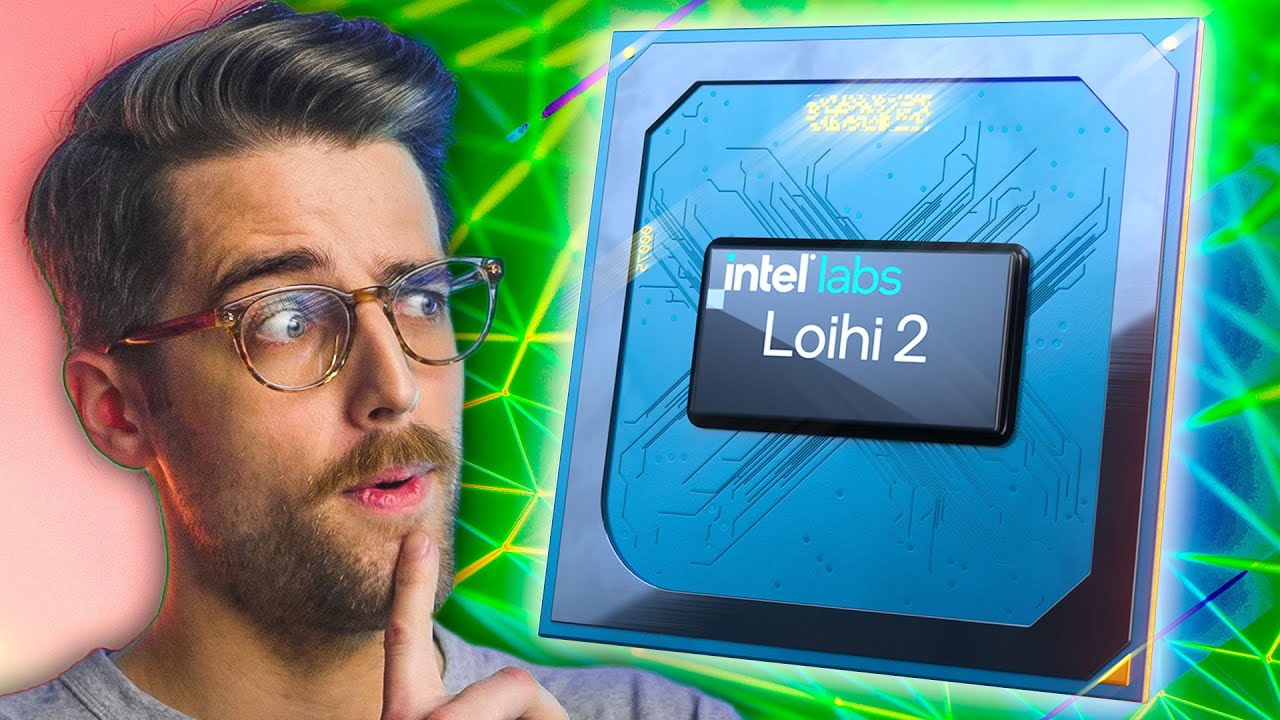
The video opens with a light,主持rafted tone as the hosts introduce tech news beyond everyday commentary, quickly homing in on Intel's latest neuromorphic advancement. The centerpiece is Intel's Loihi 2, the second generation neuromorphic chip, which is described as roughly ten times faster than its predecessor and is notable for leveraging Intel's 4 process with extreme ultraviolet lithography. The hosts explain that Loihi 2 is aimed at researchers rather than consumer gaming PCs, and they point out Intel’s open-source Lava software framework intended to help scientists build smarter electronics without hazardous trial-and-error. The segment emphasizes the broader trend of brain-inspired processors appearing across devices, while placing Loihi 2 in the context of semiconductor manufacturing shifts toward EUV and newer process nodes. The discussion uses a playful banter dynamic to convey the complexity of neuromorphic computing while underscoring its research-oriented purpose and potential future impact on computing efficiency and AI hardware design. In the following segment, attention shifts to consumer electronics with news about a collaboration between ASUS and Noctua on an RTX 3070 graphics card, noted for its distinctive brown fans and an implied high-heat profile. The hosts speculate on the card's teardown implications, including large heat pipes and quiet operation, while humorously debating branding and release timing. The show then pivots to a broader tech policy and social media topic, summarizing a Senate grilling of Facebook on teen well-being and the finsta phenomenon, framed with skepticism about the feasibility of mandated identity verification for social platforms. The quick-bits section touches on USB Power Delivery 3.1 specifications enabling up to 240W, Fairphone 4 pre-orders launching in Europe and the UK at a premium price, and Corsair’s first gaming monitor, highlighting trends in modular hardware, eco-conscious phone design, and high-refresh monitors. The final notes cover Nreal Air smart glasses with a camera-free design and a tongue-in-cheek take on Google’s Bing search data skews, wrapping with light commentary on Microsoft’s search market strategies. The overall takeaway is a brisk tour of notable hardware, AI-oriented chips, and scalable tech policy debates, with a light emphasis on how these developments might shape future consumer and developer ecosystems.
Topics · technology · science & engineering · consumer electronics · ai and machine learning
Questions answered
- What is the Loihi 2 and why is it significant in neuromorphic computing?
- The Loihi 2 is Intel’s second-generation neuromorphic chip designed to emulate brain-like processing. It is reported to be roughly ten times faster than its predecessor and uses Intel’s 4 process with EUV lithography, marking advancements in manufacturing and performance for neuromorphic research. It targets researchers and includes Lava, an open-source software framework, to help develop smarter hardware without hazardous experimentation.