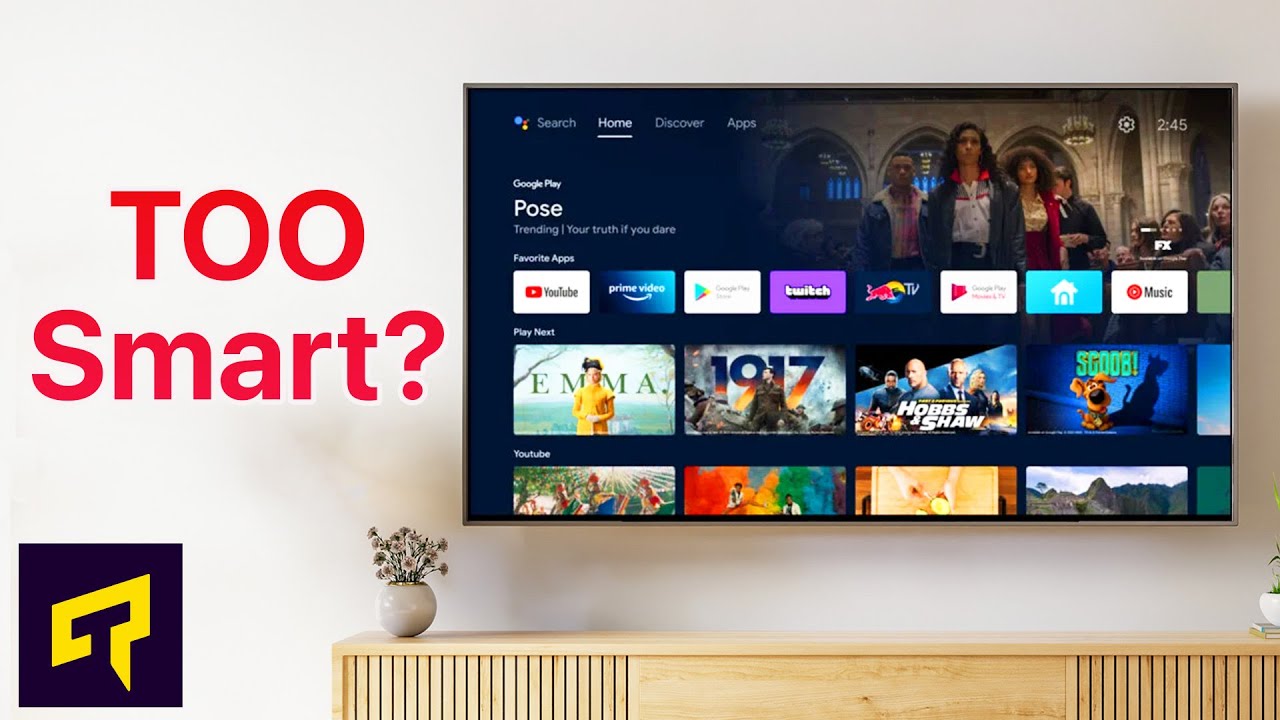
Why Can’t You Buy a “Dumb TV?”
0 up · 0 down · 0 ratings
Promos
Make ordering cool products from Japan easy! Sign Up for free with code "TECHQUICKIE" to get 750 ZenPoints - shorturl.at Use code "MAY24" to get up to 40% off international shipping until May 31st. Why is it so difficult to buy a "dumb TV" - that is, a TV without smart features built-in? Leave a reply with your requests for future episodes. ► GET MERCH: lttstore.com ► GET EXCLUSIVE CONTENT ON FLOATPLANE: lmg.gg ► SPONSORS, AFFILIATES, AND PARTNERS: lmg.gg FOLLOW US ELSEWHERE --------------------------------------------------- Twitter: twitter.com Facebook: @LinusTech Instagram: @linustech TikTok: @linustech Twitch: twitch.tv
The video opens by framing smart TVs as technically capable devices that are frustrating to use due to slow interfaces, persistent ads, and privacy concerns. It argues that buying a truly dumb TV is surprisingly difficult because manufacturers rely on embedded smart operating systems to generate ongoing revenue, through licensing, advertising, and app partnerships. The host explains how platforms like Roku, Google, and Amazon can be monetized by TV makers, sometimes even when the manufacturer owns the hardware itself, creating a revenue stream that discourages the sale of truly featureless sets. The discussion covers how free channels and pre-installed apps contribute to a TV’s value proposition for both developers and manufacturers, often at the expense of a clean, ad-light user experience. The host also clarifies that even brands with their own platforms still monetize via the OS, and that there are financial incentives to retain smart functionality as a default. The segment then transitions into practical observations about why dumb TVs persist? they are rare, and when available they tend to be lower-margin purchases that sustain the broader business model. The host pivots to explain that even in the absence of smart features, TVs still carry costs associated with processing power and firmware, which can limit performance and longevity. The video outlines strategic options for consumers who want simpler displays, such as using external streaming devices or seeking niche or commercial-grade options, and compares the economics to related markets like inkjet printers. The closing sections reiterate that while fully dumb TVs are uncommon, there are still pathways to obtaining a simpler display, and thanks the sponsor while inviting viewer feedback on future topics.
Topics · technology · consumer_electronics · home_entertainment · business_models · manufacturing
Questions answered
- Why are dumb TVs so rare in the current market?
- Dumb TVs are rare because manufacturers rely on smart features and associated revenue streams, such as ads, OS licensing, and pre-installed apps, which help subsidize lower hardware margins.
- What practical options exist for someone who wants a non-smart display?
- Possible options include buying a dumb or hospitality TV from smaller brands, or using a separate streaming device to provide smart features while keeping the base display simpler.