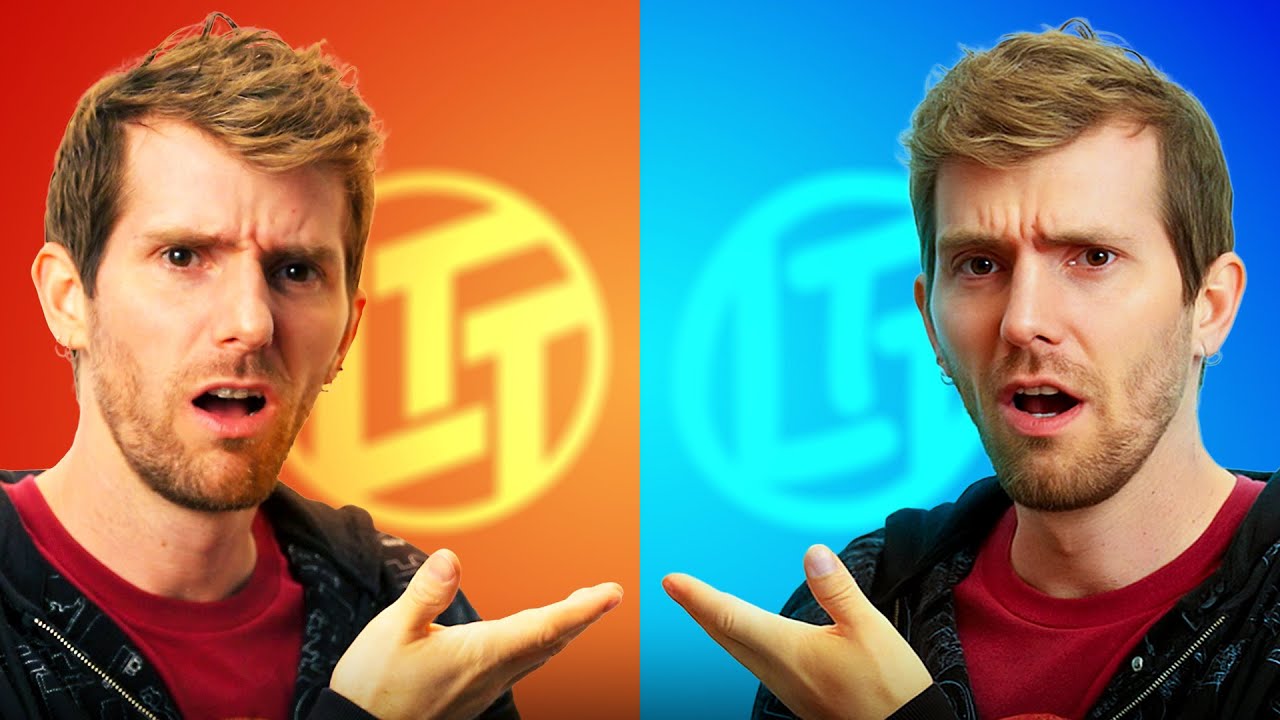
That Isn't Me - How to Recognize Deepfakes and AI Generated Videos
0 up · 0 down · 0 ratings
Description
Thanks to Bitdefender for sponsoring this video! Get 90 Days of Bitdefender Premium Security - Absolutely Free: bitdefend.me It's been five years since our last deepfake attempt, and things have only gotten easier. You probably spotted fake Linus pretty quick, but would your older relatives? AI video generation is getting so good so fast that by the time this video is out, it will already have gotten better.
Check out How to Spot Fake AI Photos by Hany Farid: youtu.be Discuss on the forum: linustechtips.com
Promos
Check out our Channel Partners: Secretlab - Get up to $249 off during their Black Friday/Cyber Monday sale (ends Dec. 5 2025): lmg.gg PIA - Get the VPN of our choice: piavpn.com dbrand - Buy a "Circuit" series skin for your device: dbrand.com ► GET OUR MERCH: lttstore.com ► GET EXCLUSIVE CONTENT ON FLOATPLANE: lmg.gg ► SPONSORS, AFFILIATES, AND PARTNERS: lmg.gg Purchases made through some store links may provide some compensation to Linus Media Group. Affiliate links powered in part by affilimate.com Linus Sebastian is an investor in Framework Computer, Inc CHAPTERSs --------------------------------------------------- 0:00 Intro 1:07 Gotcha 1:46 The process 5:55 DIY would've taken forever 6:20 Lining up audio is hard 8:13 How to spot a deepfake 11:19 Outro
That Isn’t Me examines how deepfakes and AI-generated videos are made, and demonstrates both the technical process and the practical difficulty of spotting convincing fabrications. The video begins by acknowledging sponsor Bitdefender and then dives into a live demonstration of creating a deepfake, highlighting how a target actor is matched for body shape, the training of a face model on thousands of images, and the resulting increase in realism over five years. Linus explains that syncing lips with audio remains challenging but feasible for short clips, and that multiple takes with different angles can produce a surprisingly long sequence that feels authentic to many viewers. The host then contrasts the ease of creating deepfakes with the real world impact, emphasizing the threat to everyday people and families, and sharing alarming statistics about rising scam losses. The discussion moves from the technical hurdles of generating convincing footage to practical advice on spotting fakes, including cues like inconsistent shadows, vanishing points, lighting anomalies, and non convergent perspective in AI imagery. The piece emphasizes skepticism on social media, urges digging deeper, and advises verifying through trusted channels before reacting to urgent requests. Finally, the video covers the evolving nature of AI video generation, the tradeoffs of different models, and encourages audiences to protect themselves and loved ones with critical thinking and cyber security tools. The closing segments reiterate the sponsor’s security solutions and invite viewers to explore further resources on how to recognize AI-generated content, while acknowledging the rapid pace of AI improvement. The overall message is clear: as AI video quality improves, vigilant evaluation and corroboration remain essential for distinguishing real events from fabricated media.
Topics · science & technology · cybersecurity · ai ethics · media literacy
Questions answered
- What makes a deepfake more convincing in longer videos?
- Longer videos benefit from varied angles, shorter clips with strong editing, and careful lip sync, which together create a more seamless illusion that is harder to detect.
- What practical steps can viewers take to spot a deepfake?
- Check for inconsistent shadows and lighting, pay attention to perspective and vanishing points, look for non convergent geometry, and verify claims through trusted sources or by cross checking with others.
- Why are older devices and models still relevant for creating deepfakes?
- Older models may have looser content guidelines or different output characteristics that some prompts require to achieve usable results, especially when newer models impose stricter safeguards.