GTX 680 Power, Temperatures and Acoustics Versus HD 7970 Reference & Non-Reference Linus Tech Tips
0 up · 0 down · 0 ratings
Description
CA: ncix.com US: us.ncix.com I cover these topics briefly in my full video review of this product, but here I go a little bit more in depth on the power and temperature characteristics of the GTX 680 compared to its closest competitors, and I also take a look at its acoustic (sound) performance compared to the Radeon HD 7970.
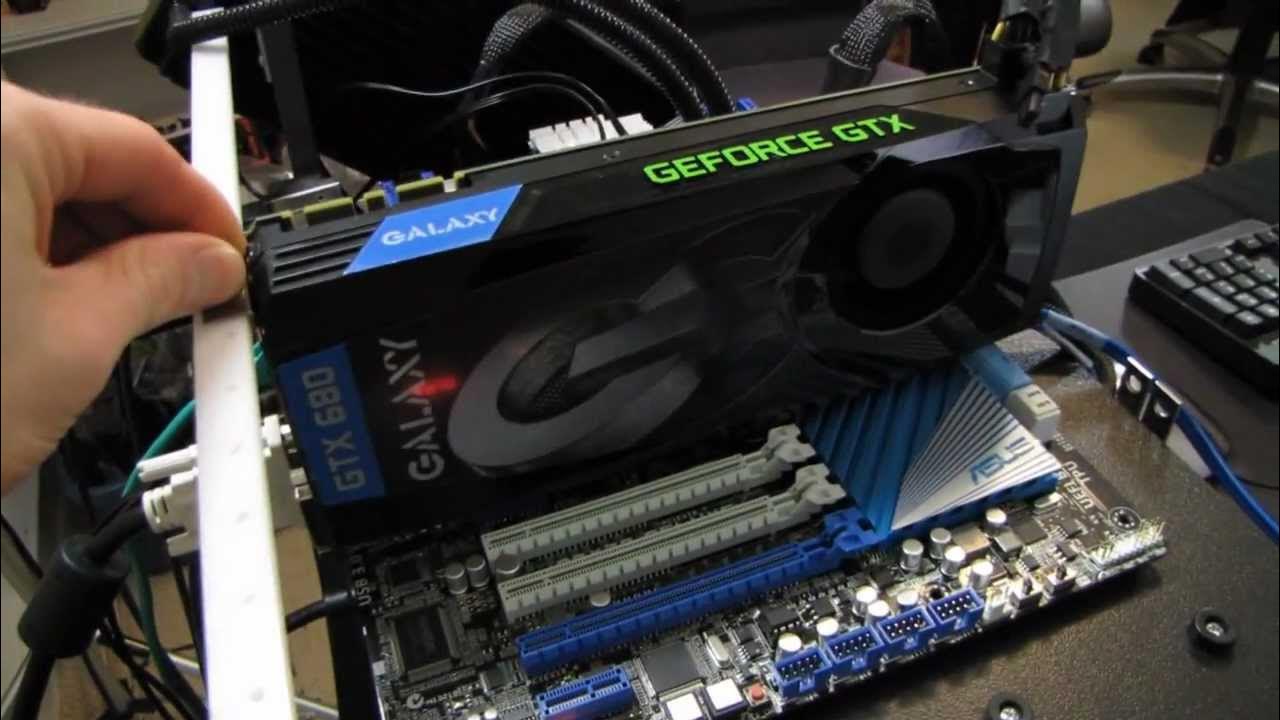
This video continues Linus Tech Tips' coverage of the GeForce GTX 680 by focusing on power consumption, temperatures, and acoustics, and it compares the GTX 680 against the HD 7970 in both reference and near-reference configurations. Linus introduces the setup with the GTX 680 on a reference board, alongside the HD 7970, noting the importance of reference versus non-reference cooler designs and how these choices affect overall cooling, system temperatures, and noise. He explains the testing approach, including why idle temperatures are measured and how load temperatures are captured using actual gaming workloads rather than synthetic stress tests. Throughout the segment he discusses how blower-style reference coolers funnel hot air out of the case, while open-air coolers may yield better GPU temperatures but can influence other system components. The video then presents a run-through of system idle temperatures across multiple cards, highlighting that most cards sit in a similar quiet range while the older high-power models show higher noise and heat profiles. Linus concludes that the latest generation GPUs deliver impressive performance-per-watt, with the GTX 680 and HD 7970 showing substantial improvements over prior generations, though non-reference designs can offer meaningful acoustic advantages in real-world gaming, and that silence and cooler temperatures often come at the cost of cooling enclosure design. In the acoustic segment, he provides practical, listen-for-yourself comparisons, acknowledges coil whine on certain reference designs, and emphasizes that aftermarket coolers can significantly reduce load temperatures, sometimes by 20 to 25 degrees, while keeping noise reasonable. The video closes with a reminder of the practical implications for builders and gamers, including how to interpret these results when choosing between reference versus non-reference cards and the impact of case airflow on overall system temperature and acoustics.
Topics · technology · hardware · computer_hardware · gpu_performance