What is Ray Tracing?
0 up · 0 down · 0 ratings
Promos
Sign up for Private Internet Access VPN at privateinternetaccess.com Ray tracing has made headlines lately as the rendering method of the future for games - but what exactly is it, and how can it make your games look more realistic? Techquickie Merch Store: designbyhumans.com Techquickie Movie Poster: shop.crowdmade.com Follow: twitter.com Leave a reply with your requests for future episodes, or tweet them here: twitter.com Join the community: linustechtips.com Intro Theme: Showdown by F.O.O.L from Monstercat - Best of 2016 Video Link: youtube.com iTunes Download Link: itunes.apple.com Listen on Spotify: open.spotify.com
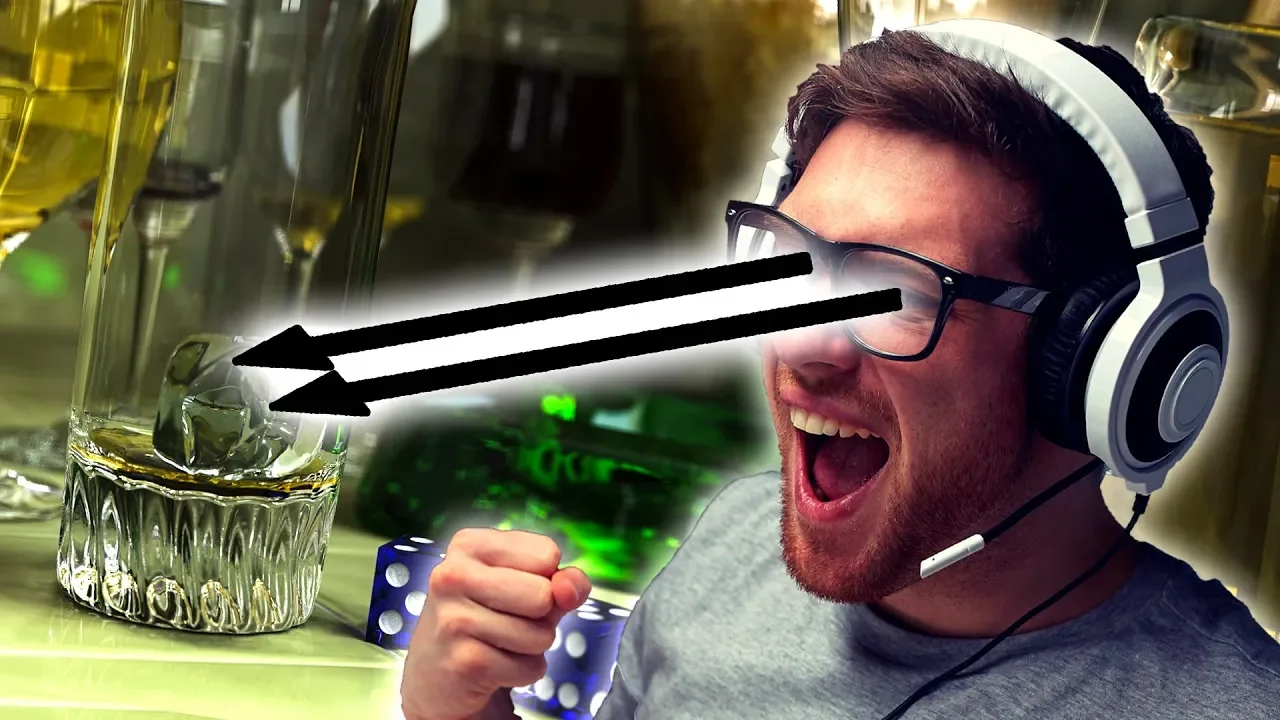
Ray tracing is presented as a rendering technique that improves the realism of how light behaves in computer graphics compared to traditional rasterization. The video explains that most games today use rasterization, where the engine draws 3D scenes made of polygons, converts them into 2D pixels, and applies per-pixel shading to create colors, textures, and lighting. This process happens many times per second to deliver smooth gameplay, but it struggles to accurately model light paths and bounce behavior. Ray tracing, in contrast, follows light rays more faithfully by tracing paths from the camera through a pixel to objects and back to the light source, accounting for reflections, refractions, shadows, and diffuse interactions. The result is a much more realistic image, which is why ray tracing has gained attention with the advent of new GPUs and its use in high-end film production where render farms are common. The video also notes that real-time consumer ray tracing is computationally expensive, so developers look for a balance by tracing from the camera through a single pixel rather than simulating trillions of rays, and hardware and software support will determine how widely this technology is adopted in games. Finally, the host touches on practical considerations such as hardware competition between Nvidia and AMD and the risk that some features may be priced as premium options in games, rather than universally required by all titles.
Topics · computer graphics · gaming hardware · visual effects · science and technology
Questions answered
- What is ray tracing and how does it differ from rasterization in games?
- Ray tracing follows light rays from the camera through each pixel to determine how light bounces off objects, producing realistic shadows, reflections, and refractions. Rasterization renders 3D scenes by projecting polygons onto the screen and shading per pixel, which is faster but involves approximations for lighting and shadows.
- Why is ray tracing considered computationally expensive for real-time gaming?
- Because accurately simulating light paths and multiple bounces for every pixel requires a lot of calculations. Real-time games can’t render trillions of rays each frame, so engines approximate by tracing from the camera through a single pixel and selectively simulating lighting effects.
- Will all games include ray tracing features, and is it worth buying premium hardware for it?
- Not all games will adopt ray tracing, and uptake depends on developer support and hardware capabilities. Whether it’s worth it depends on your priorities for visuals versus performance and cost, as some features may be marketed as premium options rather than standard requirements.