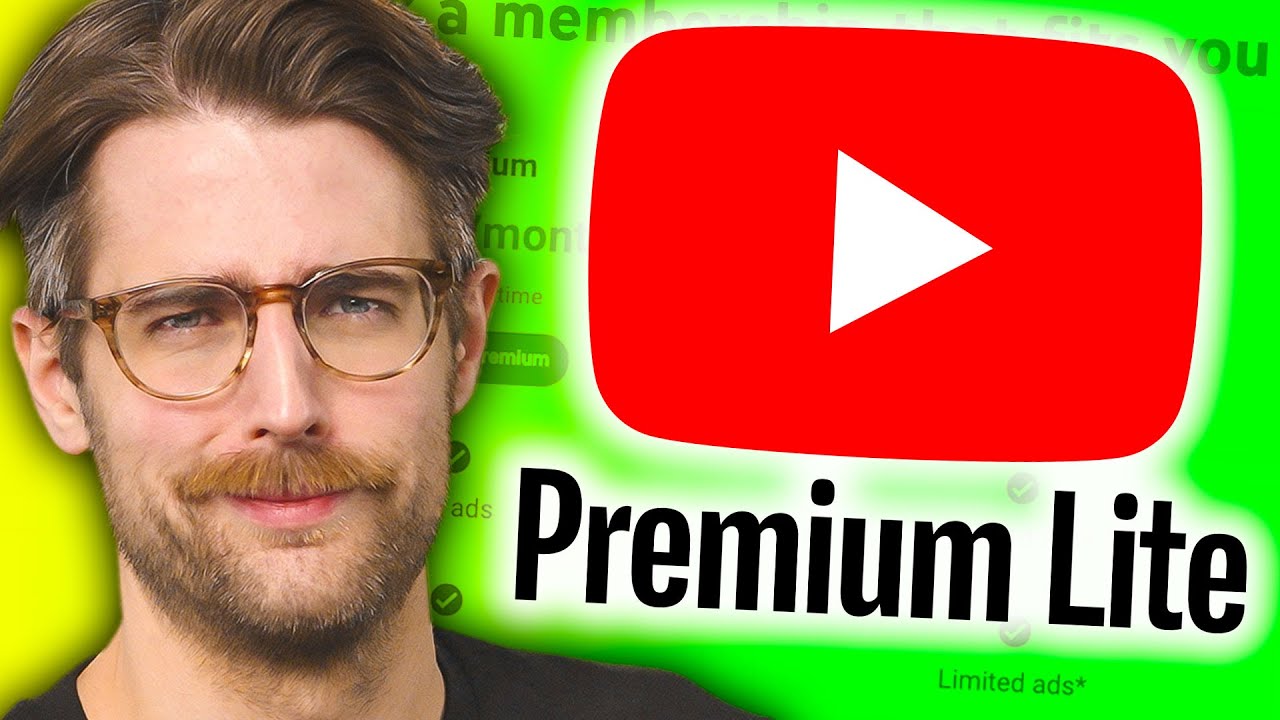
You’ll Still Get Ads, Tho
0 up · 0 down · 0 ratings
Promos
Click this link sponsr.is and use my code TECHLINKED to get 25% off your first payment for boot.dev. That’s 25% off your first month or your first year, depending on the subscription you choose. ► GET MERCH: lttstore.com ► GET EXCLUSIVE CONTENT ON FLOATPLANE: lmg.gg ► GET A VPN: piavpn.com ► LISTEN TO THE TECH NEWS: lmg.gg ► SPONSORS, AFFILIATES, AND PARTNERS: lmg.gg ► OUR PODCAST GEAR: lmg.gg NEWS SOURCES: lmg.gg --------------------------------------------------- Timestamps: 0:00 just an idea i'm workshopping 0:09 YouTube Premium Lite is back and worse 1:24 Microsoft + OpenAI tension 3:08 Twitter Block changes, ToS changes 5:42 QUICK BITS INTRO 5:49 Google granted stay in Epic ruling 6:49 Researchers achieve wild 6G speeds 7:40 Qualcom cancels Snapdragon Dev Kit 8:14 Gigabyte 'Thunderbolts 5' add-in card 9:08 Moley Robotics robo-chef arm
TechLinked dives into a grab bag of current tech news with a focus on how platforms monetize and control user experience. The opening segment revisits YouTube Premium Lite, explaining that a cheaper tier is back after a previous cancellation and is reportedly even worse than before. The host breaks down how this new Premium Lite still includes ads, with most videos being ad-free except for music content and Shorts, and notes non-interruptive ads during searching and browsing. The explanation is grounded in screenshots and user reports, and the host emphasizes that YouTube frames this as a test to increase revenue while offering a diminished viewing experience for the same price. The segment culminates in a broader point about the tradeoffs between paid solitude from ads and the potential revenue streams for platforms, hinting at the ongoing tension between user experience and monetization strategies. In the middle portion, the show shifts to the competitive AI landscape, highlighting tension between Microsoft and OpenAI. It discusses how the two entities are pooling resources and potentially restructuring the economics around compute power, with implications for AGI development and access to AI models. The discussion also touches on corporate strategy and the sense that both companies are maneuvering for long-term control over AI capabilities, including the controversial idea of who benefits from AI breakthroughs. The host uses this to illustrate a broader industry pattern: big tech firms are racing to secure strategic AI advantages while balancing investor expectations and regulatory scrutiny. The final block surveys platform policy evolutions and notable hardware advances. Topics include Twitter’s updated block meaning and privacy stance, EU regulatory considerations for X under the Digital Services Act, and the broader question of platform accountability in a changing legal landscape. There are also light touches on Google delaying a Play Store opening order, the 6G research milestone achieving near gigabit-per-second speeds, and new hardware like Gigabyte Thunderbolt 5 and Moley Robotics’ consumer robo-chef arm. The host closes with a humorous aside about naming quirks in tech products and a reminder that more tech news is coming in the next TechLinked episode, signaling ongoing coverage of these fast-moving topics.
Topics · technology · internet_services · advertising · ai
Questions answered
- Waarom laten platforms als YouTube nog advertenties zien ondanks premium opties?
- Omdat advertenties inkomsten genereren en premium tier deals soms geen volledige vervanging bieden voor adrevenue, waardoor platforms experimenteren met betalingslagen terwijl ze gebruikerservaringen monitoren.
- Wat betekent de term 6G voor consumenten op korte termijn?
- 6G is nog experimenteel en levert momenteel extreem hoge snelheden in labomstandigheden; voor consumenten betreft het vooral toekomstige verwachtingen en langetermijn mogelijkheidsaannames.
- Welke veranderingen brengen Twitter en regulatoire maatregelen met zich mee?
- Twitter heeft functies en privacybeleid aangepast, terwijl de EU over digitale regelgeving nadenkt en mogelijke boetes overweegt onder de Digital Services Act.