How to live in a collapsing economy
0 up · 0 down · 0 ratings
Channels and socials
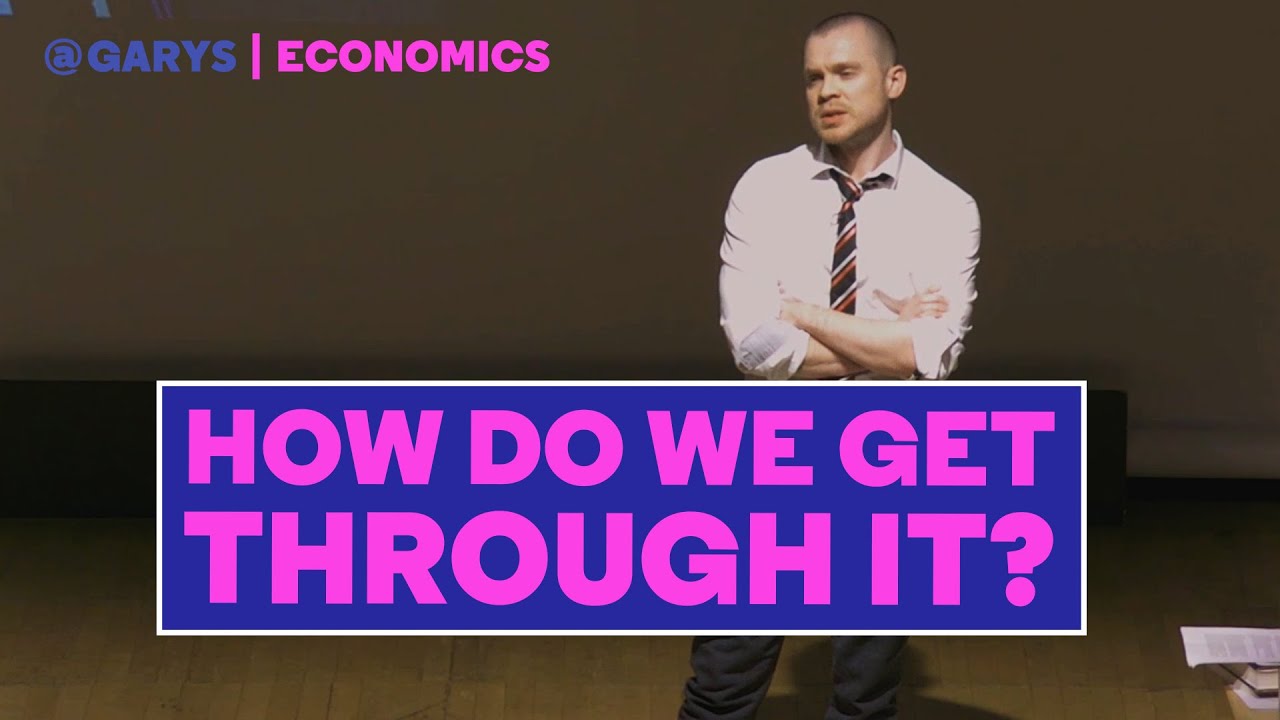
Everyone basically knows the economy is broken. The question is less and less how do we fix it, but how do we get through it. This speech was delivered at and filmed by Robinson College Cambridge in March 2024: youtube.com UNDERSTAND, SHARE & PUSH BACK WEBSITE - garyseconomics.org TWITTER - twitter.com FACEBOOK - @garyseconomics INSTAGRAM - @garyseconomics TIKTOK - @garyseconomics YOUTUBE - youtube.com PATREON - patreon.com DISCORD - discord.gg BLUESKY - bsky.app SUBSCRIBE, SHARE & START A CONVERSATION Performed by Gary Stevenson @garyseconomics
Gary Stevenson delivers a personal, narrative-driven lecture on living through a collapsing economy, reframing inequality as the core driver of the crisis. He begins by explaining the context of his Cambridge talk tied to his book launch, noting creative fatigue and a planned break, while stressing the session’s aim to explore what it means to live, act, and survive when the economy is deteriorating. The speaker shifts from abstract economics to lived experience, arguing that the debate around inequality has transformed into a broader question about human survival and moral choices, especially in a system that rewards wealth accumulation for the few. He recounts his early life in Ilford, portraying poverty as a formative force, and uses vivid episodes,shared housing, trains that shake the home, and parents who could not always shield him,to illustrate the social infrastructure failure behind macroeconomic policy. The narrative then travels through his educational ascent, the pressures of elite universities, and the realization that access to opportunity often tracks family wealth rather than merit alone, culminating in a critique of how internships, CVs, and social capital shape outcomes as much as grades. The talk connects these biographical milestones to larger economic phenomena, such as the 2008 financial crisis, the zero lower bound on interest rates, and the misalignment between policy expectations and real consumer behavior. Gary argues that the “collapse” is not a natural cycle but a man-made outcome of inequality, where asset prices and financial instruments become the primary drivers of wealth while ordinary people face stagnation or decline in living standards. He challenges the audience to imagine themselves in different economic positions and to consider what they would do when faced with less security and more vulnerability, explicitly posing three guiding questions about living in a collapsing economy, what actions to take, and what should be done. The core of the talk weaves personal history with macroeconomic critique: he details his descent into a high-stakes trading career, the moral compromises of profiting from a crisis, and the psychological toll of chasing wealth while others suffer. He uses poignant vignettes from his poverty years, including the ubiquitous “plank desk” workaround, expulsion from school, and the social barriers that kept him from traditional pathways to success, to argue that access and fairness in opportunity are central to whether a society collapses or holds together. The speaker then confronts questions of ethics and citizenship, invoking Camus’ The Plague to illustrate divergent human responses to catastrophe, including selfishness, resilience, and the impulse to act for the common good, urging listeners to cultivate a heart capable of both self-preservation and care for others. In closing, Gary stresses the imperative to prevent disaster by recognizing the human dimension of economic policy, arguing that the job of a humane individual is to resist normalization of inequality and to push for change even when the system appears rigged. The talk ends with an exhortation to retain empathy, engage in collective action, and rethink how wealth, policy, and personal choices intersect in an economy that seems to be unraveling, leaving the audience with a morally framed challenge to act toward a more equitable future.
Topics · economics · education · societal issues · inequality · finance
Questions answered
- What is the central problem Gary frames in the talk and how does he connect it to personal experience?
- Gary frames inequality as the core driver of economic collapse, arguing that wealth concentration harms the broader economy. He connects this to his own life by tracing how poverty shaped his early decisions, his path through elite education, and the moral compromises he observed in high finance during crises.
- What three questions does Gary want the audience to consider during the talk?
- The three guiding questions are: What does it mean to live in a collapsing economy, what should you do when the economy is collapsing, and what should you do to prevent or respond to the collapse.
- How does Gary describe the influence of family background on career outcomes?
- Gary argues that family wealth and connections often determine opportunities more than merit, using his own experiences and peers’ CVs, internships, and access to networks to illustrate how the system advantages the wealthy regardless of academic performance.
- Which literary work does Gary invoke to discuss human responses to society in crisis, and what is the takeaway?
- Gary cites Camus’ The Plague to illustrate that in a collapsing society people respond in various ways, with some acting to fight the disaster and others succumbing to nihilism or selfishness, and that resisting collapse requires purposeful, collective effort.
- What ethical stance does Gary advocate at the end of the talk?
- Gary argues that the humane response in disaster is to prevent the collapse, to act with care for others, and to push for policies that reduce inequality even when it is painful or challenging for those who benefit from the status quo.