REBUILDING AN EX RENTAL FERRARI | PT4
0 up · 0 down · 0 ratings
Promos
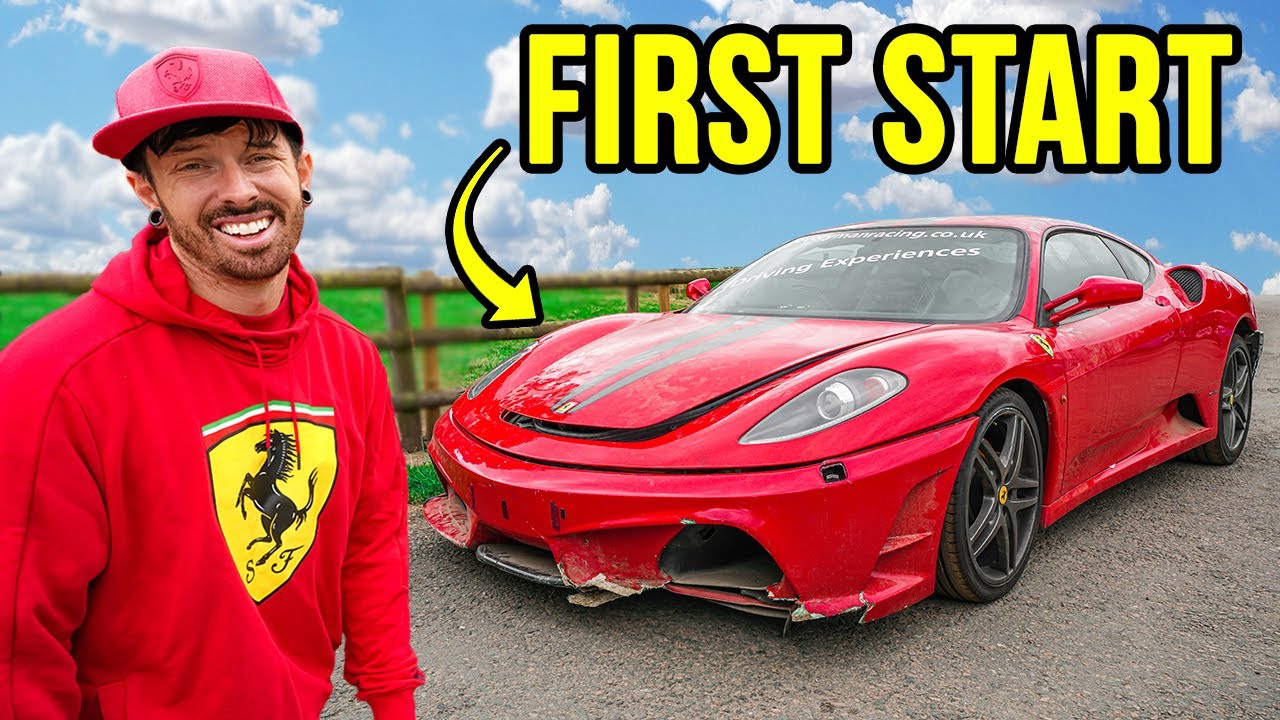
Grab a YFood Taster Pack Here USE CODE MAT-YOUTUBE bit.ly I bought a cheap ex track rental Ferrari F430 which came with a engine completely stripped engine & gearbox. My Dad and I have worked together to rebuild the Ferrari Engine & Gearbox whilst keeping it on a budget & todays the day we find out whether all our hard work pays of because we are starting it for the first time!
ALL MA MERCHANDISE
Channels and socials
FOR MORE CONTENT
CHECK OUT MY SECOND CHANNEL
Follow Me Here Aswell
Notes
The video documents the culmination of a long term rebuild project where Mat Armstrong and his dad step through the process of reassembling a damaged ex track rental Ferrari F430. The opening moments set the premise: the engine and gearbox have been rebuilt and are ready to be mated to the car for the first start in over seven years. They outline the plan to attach the gearbox to the engine, then fit sensors and ancillary components before attempting a start. The hosts acknowledge the complexity of Ferrari wiring, noting that the loom isn’t marked and that wrong connections could prevent the engine from starting at all. The mood is practical and hopeful as they describe each small step in the sequence, from mounting to sensor connections, and the need to test fitment before attempting ignition. By emphasizing the budget constraints and the learning curve, the video frames this rebuild as a meticulous, hands-on learning journey rather than a quick fix. As they move into assembly, the duo tackle the practical challenges of the install. The gearbox oil filter, oil canister, and dry sump system become focal points, with the team noting missing or misrouted lines and the risk of leaks or misassembly. They describe swapping the release bearing and replacing several seals to ensure the clutch operates cleanly. Capristo long tube headers are highlighted as a performance upgrade, with the plan to install a full exhaust system once the engine starts. The process includes careful alignment of the engine and gearbox, with the engine hoisted into place and the mounting points gradually secured. Throughout, they discuss the need to verify that each sensor, loom, and ECU connection is correct, as a wrong plug can prevent firing altogether. The video dives into troubleshooting as the first attempts to start the engine are made. They reveal common pitfalls such as pump and regulator failures, incorrect oil routing, and missing pressure switches for the differential. The team makes a series of iterative checks, adding essential oil, diff oil, and fuel lines, then trying to start the car with and without spark plugs to monitor oil pressure and engine response. The tension rises when the engine initially sounds rattly with low oil pressure, but improves as oil circulates and hydraulic lifters prime. A pivotal moment occurs when spark is finally established on one bank, followed by a careful ignition test and the realization that timing and sensor placement still require verification. The narrative emphasizes persistence, with the goal of a true first start rather than a fake start to appease expectations. A crucial turning point arrives as they confirm spark on the right side and proceed to install the remaining spark plugs and coils. They address an intermittent misfire by testing different cam sensor placements and redistributing the cam plugs, which leads to a marked improvement in running. The car begins to run on all eight cylinders, and the team experiences a mix of relief and excitement as the engine responds with stronger oil pressure and a cleaner idle. They acknowledge the potential for timing issues or sensor misreads but celebrate the moment when the Ferrari finally shows a stable, running cycle on eight cylinders. The episode closes with a celebratory tone and a forward-looking plan to verify the gearbox into gear in the next installment, inviting viewers to stay tuned for the continuation of this ambitious rebuild. Overall, the video blends restoration technique with family dynamics, showcasing how patience, problem solving, and hands-on skill can transform a neglected car into a running machine. The commentary from Mat and his dad offers practical insights into aligning mechanical systems, managing parts inventories, and diagnosing faults without the luxury of modern online diagnostics. The editing style keeps momentum with a mix of close-up technical details and wide shots of the engine bay, balancing educational value with entertainment. Viewers are treated to a personal narrative that emphasizes collaboration, perseverance, and the joy of achieving a difficult mechanical milestone after substantial effort and investment.
Topics · autos & vehicles · car restoration · vlog
Questions answered
- What was the main challenge of aligning the engine and gearbox in this rebuild?
- The main challenge was mating the dry sump engine to the manual gearbox while ensuring all sensors and the oil canister were correctly installed, with careful attention to the unmarked wiring loom and correct sensor placements to prevent misfires or a non start.
- Why did the team choose Capristo long tube headers for this build?
- Capristo long tube headers were chosen as a performance upgrade that could improve exhaust flow and overall performance once the engine starts.
- What issue caused initial concerns about oil pressure during the first startup attempts?
- The engine sounded rattly and showed low or no oil pressure initially, which could indicate improper oil routing or incomplete lubrication until oil circulated and hydraulic lifters primed.
- How did the team verify spark and ignition timing during startup testing?
- They tested spark on the appropriate cylinders, then observed whether the engine would run smoothly on all eight cylinders after adjusting cam sensor connections and coil placements to ensure proper timing and ignition.