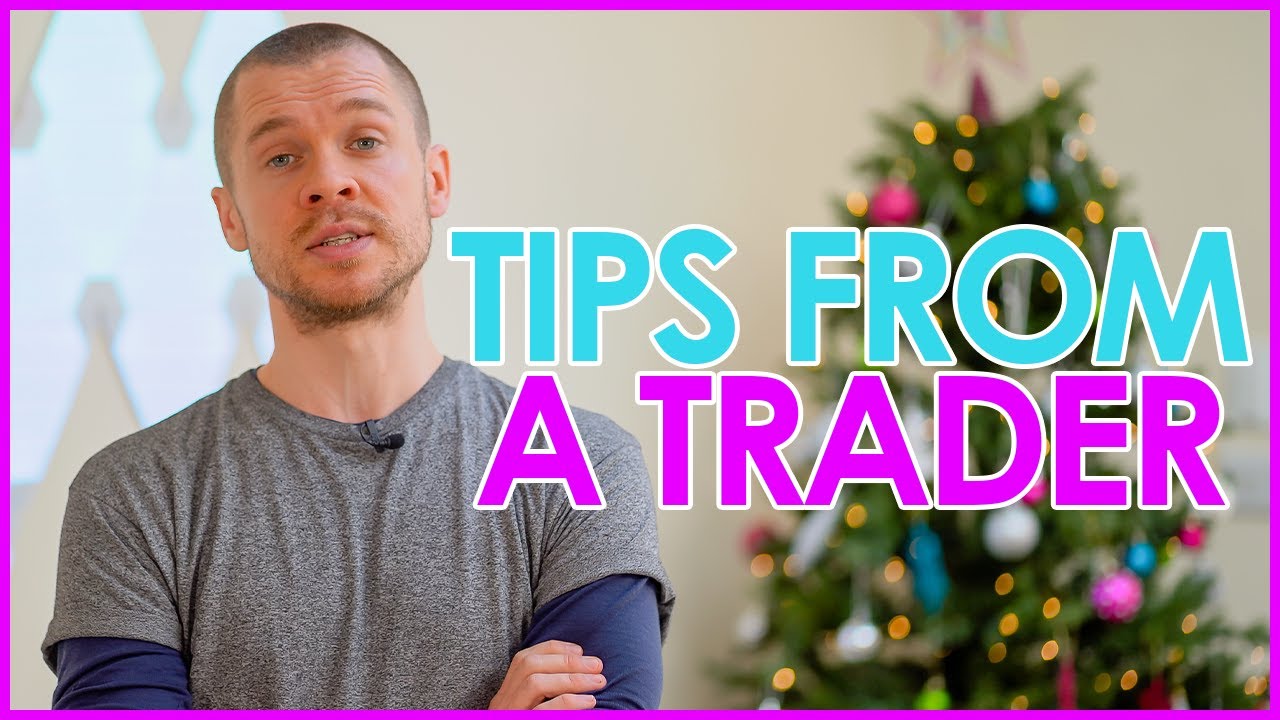
Teaching You To Trade
0 up · 0 down · 0 ratings
Channels and socials
Why do you bother making all these videos trying to save the economy? if you're such a good trader why don't you just teach us all to trade and then we could all be millionaires... *Apologies about the beeping fire alarm (filmed at the same time as last week's video) It has now been addressed - Simran SUBSCRIBE, SHARE & START A CONVERSATION SOCIAL MEDIA: WEBSITE - wealtheconomics.org TWITTER - @garyseconomics - twitter.com FACEBOOK - @garyseconomics - @garyseconomics INSTAGRAM - @garyseconomics - @garyseconomics TIKTOK - @garyseconomics - @garyseconomics YOUTUBE - @garyseconomics - youtube.com Performed by Gary Stevenson GARYSECONOMICS Produced by Simran Mohan MOHAN MEDIA TIMESTAMPS 00:00 - Why not teach us? 00:40 - I Was a Trader 03:00 - Covid19 Economy 05:35 - Trying to help Friends 08:13 - Trading is Dangerous 09:29 - Problem Gambling 11:18 - Trading Platform Design 12:56 - Can You Compete? 14:17 - Ordinary People Struggle 15:05 - Investing Vs Trading 16:39 - The System 17:34 - The Bottom Line
Teaching You To Trade presents a candid personal narrative from a former professional trader about why he does not teach trading as a quick path to wealth. The creator recounts his career as an interest rate trader at Citibank, his peak performance, and why he retired from full-time trading long before the Covid era. He explains that consistent profitability in trading relies on access to information, time, and continuous work, which ordinary people cannot realistically match when competing with full-time professionals. The video then pivots to a broader critique of trading as a risky, often addictive activity, underscored by real-world anecdotes about friends who followed tips and suffered financial harm, highlighting the psychological traps of overconfidence and crowd behavior. Throughout, the host emphasizes a distinction between investing and trading, urging viewers to pursue safer financial strategies and to focus on addressing systemic economic problems rather than chasing high-risk trades. The overarching message is caution, ethics, and a call for financial literacy and prudent personal finance decisions over risky speculation. The video also weaves in commentary on inequality, the economy, and the ways platforms can exploit expectant traders, ultimately arguing for systemic change to protect ordinary people. The tone remains reflective and didactic, with the host acknowledging personal limits and the dangers of gambling-like trading on increasingly accessible online platforms. The closing segments reiterate the core theme that while trading is dangerous, fixing structural economic issues could benefit a much wider audience. The video closes with a practical reminder to invest responsibly and to seek long-term stability over short-term wins, tying back to the channel’s broader mission of financial education and social responsibility.
Topics · finance · economics · education · personal-finance · risk-management · investing
Questions answered
- What is the main reason the host does not teach trading as a path to wealth?
- He explains that trading requires continual, full-time effort and access to information that ordinary people do not have, making consistent profits unlikely for non-professional traders.
- How does the host distinguish investing from trading?
- Investing is presented as a safer, long-term approach focused on real assets, whereas trading is described as gambling with high risk and short-term bets.
- What dangers does the host highlight about online trading and crypto platforms?
- He warns that these platforms are addictive, encourage overtrading, and prey on inequality and psychological biases, leading many ordinary people to lose money.
- What broader societal issue does the host link to the trading discussion?
- He connects the problem to systemic economic inequality and argues that fixing these larger structural issues would benefit a wider portion of society.