I Tried a Disney Secret Project!
0 up · 0 down · 0 ratings
Promos
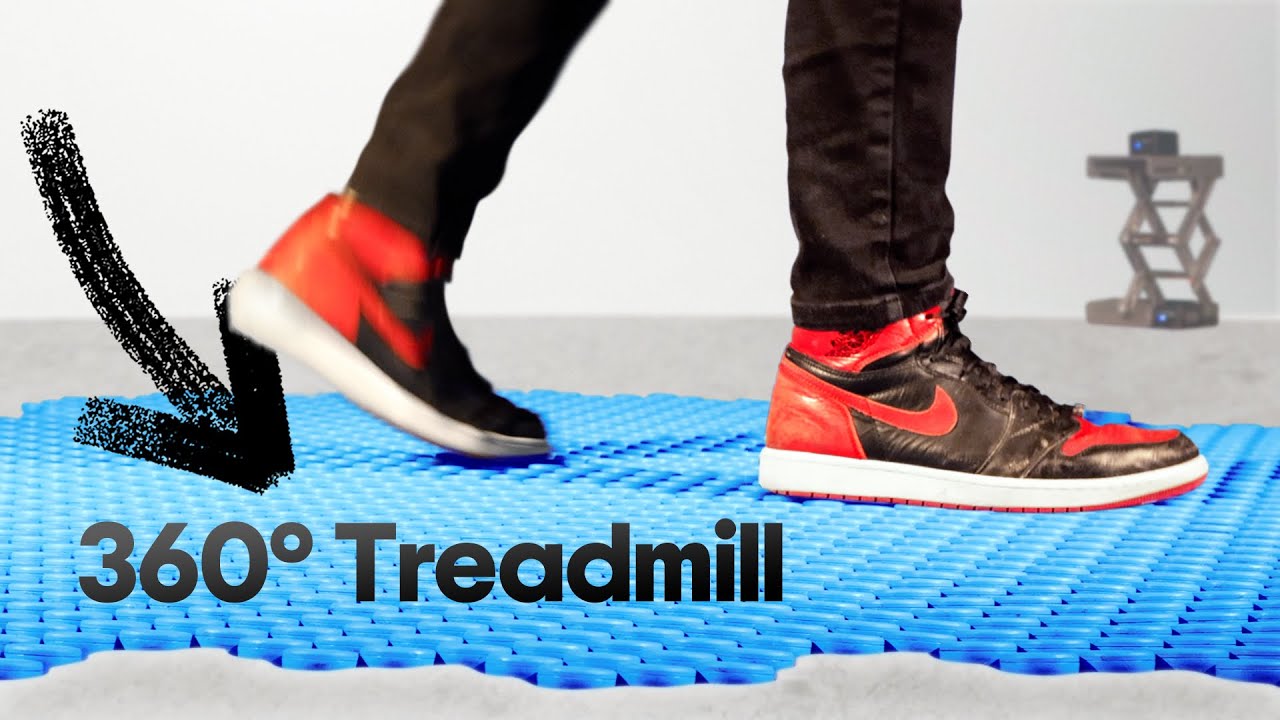
The Holotile infinite floor/360 treadmill could be sick for VR. MKBHD Merch: shop.mkbhd.com Tech I'm using right now: amazon.com Intro Track Artist: Logic logic.lnk.to Playlist of MKBHD Intro music: goo.gl ~ twitter.com @MKBHD @MKBHD
Marques visits the Disney Imagineering Labs to explore a hidden area of Disney tech and gets hands-on with a cutting-edge prototype called the HoloTile, a 360-degree moving floor designed to enable VR experiences. He explains that the system is built from a bed of tiny tilt-enabled discs that pull you back to the center no matter which direction you walk, with three control modes: walking, a game controller, or gesture control. The video documents the learning curve as Marques tries training mode first, then steps onto the HoloTile with an Apple Vision Pro, and finally envisions how this technology could transform theme parks and home VR setups. Throughout, he highlights the technical challenges, such as noise, alignment drift, and the need for more tiles to enable richer experiences, while praising the potential for immersive, location-based adventures. He also introduces Lanny Smoot, the inventor, noting his long tenure at Disney and a string of patents, including BB8’s roll and real lightsabers, underscoring the depth of Disney Imagineering’s robotics program. In closing, Marques expresses excitement for future iterations and invites Disney to bring him back to see ongoing progress, signaling a desire for more public exposure to this rare, experimental tech.
Topics · technology · entertainment · robotics · virtual reality
Questions answered
- What is the HoloTile and how does it work in simple terms?
- The HoloTile is a floor of tiny tilted discs that act as individual rollers. When you walk, the discs rotate to steer your feet back toward the center, allowing movement in any direction while keeping you near a target spot.
- What control methods are demonstrated for interacting with the tile?
- Three methods are shown: walking directly on the tile, using a PlayStation 5 controller, and guiding with hand gestures or pointing, which can influence the floor's movement.
- What are the main challenges or limitations mentioned?
- Noise, the learning curve for walking on the moving floor, drift and alignment issues, and the need for more tiles to create larger, more immersive experiences.