The FASTEST RAM and 3D laptop screens! - ASUS Zenbooks 2023
0 up · 0 down · 0 ratings
Description
Thanks to ASUS for sponsoring today's video!
Promos
Check out their new line of laptops at lmg.gg Purchases made through some store links may provide some compensation to Linus Media Group. Want us to unbox something? Make a suggestion at lmg.gg ► SUBSCRIBE ON FLOATPLANE: floatplane.com ► GET MERCH: lttstore.com ► AFFILIATES, SPONSORS & REFERRALS: lmg.gg ► PODCAST GEAR: lmg.gg ► SUPPORT US ON FLOATPLANE: floatplane.com FOLLOW US ELSEWHERE --------------------------------------------------- Twitter: twitter.com Instagram: @shortcircuityt TikTok: @linustech Facebook: @ShortCircuitYT CHAPTERS --------------------------------------------------- 0:00 Zenbook Pro 16X OLED 4:10 Zenbook 14X OLED 5:48 StudioBook 16 3D OLED 7:50 Outro
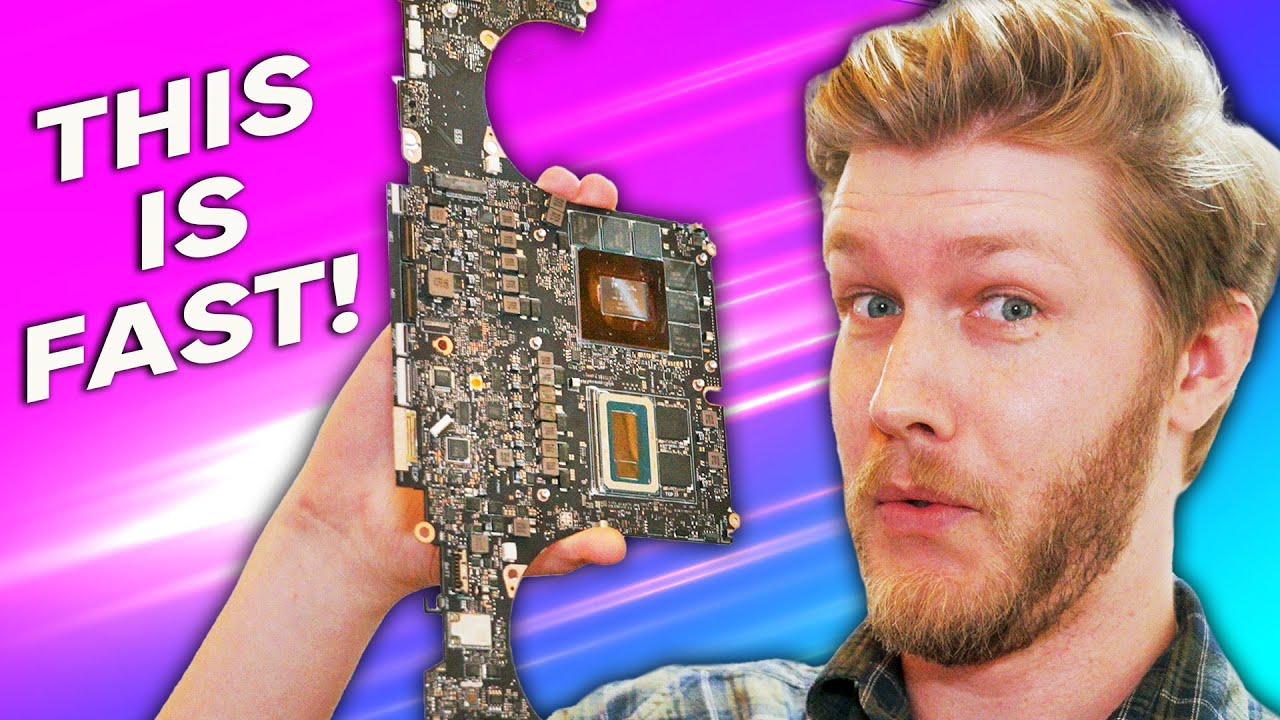
The video takes place at ASUS’s CES booth where the host introduces a lineup of Zenbooks and StudioBook models, highlighting advanced RAM and GPU configurations. The standout feature is the Zenbook Pro 16X OLED, which uses a near–soldered RAM arrangement that brings the memory much closer to the CPU, according to the presenter. This design choice is shown to deliver extremely high memory bandwidth, claimed to reach up to 7 500Mega transfers per second, with the host noting an 8.9x improvement in a comparison context. The host also covers a GPU upgrade from an earlier 3060 to an RTX 4080, attributing the upgrade to space savings around the CPU that allow better cooling and more VRAM capacity. The video continues by detailing the Zenbook Pro 14 OLED, with emphasis on a refined keyboard feel and an angled layout, and it discusses performance boosts for video editing and 3D rendering across the lineup. ASUS’s philosophy of OLED displays across Zenbooks is reinforced, including a description of a lightweight, well-built chassis and strong I/O options including HDMI 2.1 and multiple USB-C/Thunderbolt ports. The host moves to the Zenbook 14x OLED, featuring a ceramic plasma coating for fingerprint resistance and a substantial 70Wh battery, while noting a capable RTX 3050 option and up to an i9-13900H processor. The video closes with a look at two more models and a deeper dive into the StudioBook 16 3D OLED, which uses lenticular lenses to deliver glasses-free 3D content, tracking eye position via cameras to create a multi-view 3D experience. The host explains the 3D capability works best for creators and certain 3D content, and ends with thanks to ASUS for the sponsorship and a call to like and subscribe. Overall, the presentation frames ASUS’s 2023 Zenbook and StudioBook line as high-performance, portability-forward, OLED-dominant devices with innovative memory and display technology, while acknowledging that some features, like glasses-free 3D, are still niche or evolving for broader use.
Topics · technology · laptops · display_technology · consumer_electronics · CES_2023
Questions answered
- What is the key RAM improvement highlighted for the Zenbook Pro 16X OLED and why does it matter?
- The RAM is positioned much closer to the CPU, enabling higher memory bandwidth and faster data transfer rates, which translates to better overall system responsiveness and performance in memory-intensive tasks.
- What 3D display feature is demonstrated on the StudioBook 16, and who is it aimed at?
- The StudioBook 16 uses lenticular lenses to provide glasses-free 3D, aimed at creators who benefit from true 3D viewing for model work and content preview.