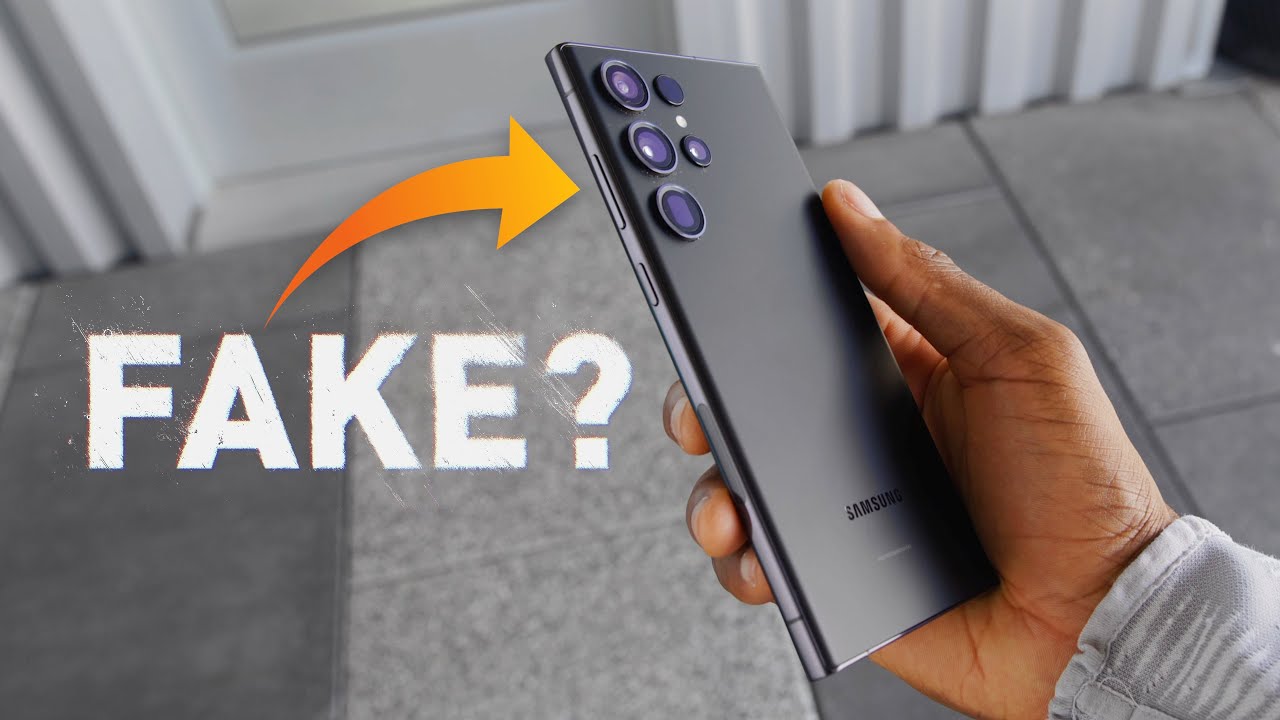
What is Happening with Samsung's Camera?
0 up · 0 down · 0 ratings
Promos
100X zoom pictures of the moon will never be the same... what is a photo? What's happening with the iPhone's Camera: youtu.be The Samsung community post: r1-community-samsung-com.translate.goog The Reddit post: reddit.com MKBHD Merch: shop.mkbhd.com Tech I'm using right now: amazon.com Playlist of MKBHD Intro music: goo.gl ~ twitter.com @MKBHD @MKBHD
The video opens by reframing the question of what a photo is in the era of smartphone cameras, with Marques Brownlee (MKBHD) revisiting the topic of computational photography and how software processing shapes our perception of reality. He revisits an earlier claim about Samsung’s 100X space zoom on the Galaxy S23 Ultra and admits that initial judgments were premature, underscoring the importance of controlled testing and experiments. The core section explains, in detail, how Samsung’s camera system analyzes the moon when zoomed in, locks stabilization on the target, adjusts exposure to bring out more texture, and runs a sequence of noise reduction and detail enhancement algorithms. Marques emphasizes that the moon image produced at high zoom is not simply a raw capture but a processed interpretation that aligns with what the camera believes the moon should look like, thereby making a visually striking but potentially artificial result. He contrasts this behavior with the controversy surrounding Huawei, clarifying that Samsung’s approach is not brute-force overlay fakery, but a more nuanced image enhancement pipeline. Throughout, he notes that these adjustments preserve some natural attributes like color and phase while dramatically increasing perceived detail, which can mislead viewers into thinking the image is more authentic than the sensor data initially provides. He also highlights practical takeaways, such as how to disable Scene Optimizer if users want to see less processing, and contemplates the broader implications of on-device AI editing for what we call a photograph. The video closes with a reflection on the broader trend of smartphones acting as computer-aided interpreters of reality, suggesting that the line between reality and enhanced perception will continue to blur as software plays a larger role in photography, including moon shots that are technically impressive yet potentially deceptive to casual viewers.
Topics · technology · photography · consumer electronics · camera technology
Questions answered
- Does Samsung's moon shot rely on AI enhancement or true photographic data?
- The video explains that Samsung uses exposure adjustments, stabilization, and a sequence of noise reduction and detail enhancement to sharpen moon details, which is an AI-assisted processing rather than a pure capture of what the sensor initially records.
- Can users disable the processing to see a more authentic image?
- Yes, users can disable Scene Optimizer in the camera app to reduce processing and potentially see outputs closer to the raw capture.
- How does this differ from Huawei's alleged moon overlays?
- The video argues that Samsung's method is more about on-device processing to enhance details rather than layering an external overlay, though the result still represents a processed interpretation of the scene.