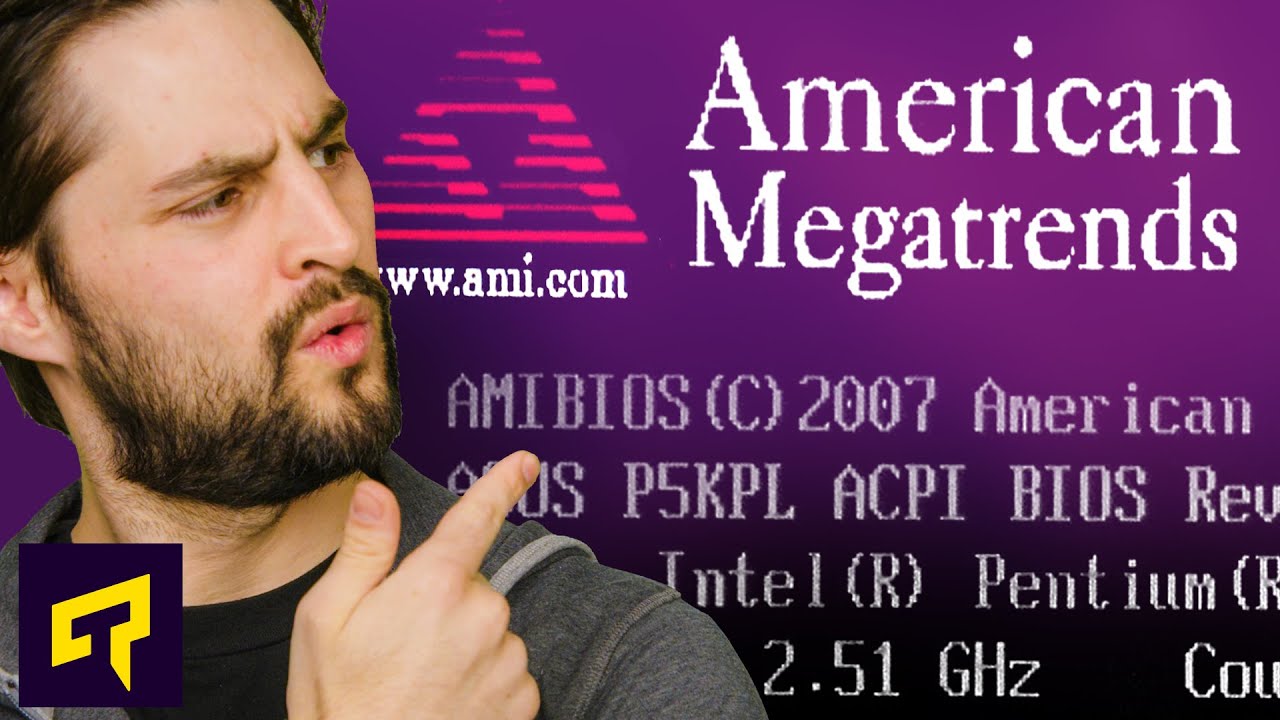
What The Heck Is "American Megatrends?"
0 up · 0 down · 0 ratings
Promos
Visit brilliant.org to get started learning STEM for free, and the first 200 people will get 20% off their annual premium subscription. Find out about the company behind the American Megatrends startup screen you see on so many PCs. Leave a reply with your requests for future episodes, or tweet them here: twitter.com ► GET MERCH: lttstore.com ► AFFILIATES, SPONSORS & REFERRALS: lmg.gg ► PODCAST GEAR: lmg.gg ► SUPPORT US ON FLOATPLANE: floatplane.com FOLLOW US ELSEWHERE --------------------------------------------------- Twitter: twitter.com Facebook: @LinusTech Instagram: @linustech TikTok: @linustech Twitch: twitch.tv
What The Heck Is "American Megatrends?" explains the crucial yet often unseen role of American Megatrends Inc. (AMI) in the PC ecosystem. The video begins by noting how common AMI firmware shows up on startup screens across a wide range of computers, while many users remain unsure about who AMI is and what they do. It then defines AMI as a firmware developer responsible for the PC BIOS, the low-level code that controls hardware initialization and interaction with components during boot. The host clarifies that motherboard manufacturers buy AMI BIOSes rather than building their own from scratch, which explains why the same foundational software appears under different brand skins on various systems. The narrative traces AMI’s origins, describing how the company started by making motherboards and BIOSes for Dell and continued hardware manufacturing through the Pentium 4 era, with some equipment even finding its way into space shuttle programs. Around the mid-2000s AMI pivoted to focus on firmware strategy rather than hardware, aiming to deliver features generically so they can work across different CPUs and chipsets from both AMD and Intel. The discussion then covers how AMI’s Aptio UEFI firmware provides a baseline of 50 to 60 features, with manufacturers able to add many more to tailor the experience, which helps AMI maintain a leading share of the desktop and enthusiast PC market and an even larger share in servers. The video also highlights how AMI supports branding by allowing vendors to apply custom skins and CSS-like themes to BIOS interfaces, from Gigabyte’s Aorus to ASUS’s ROG. Looking ahead, AMI’s strategy includes expanding into security, strengthening the chain of trust between BIOS and the rest of the system, and enabling firmware recovery to known-good states in case of tampering, with MoonBounce illustrating a real-world motivation for such protections. The segment closes with a light farewell and an invitation for audience feedback on future topics, underscoring the value of AMI as more than just a legacy BIOS vendor but as a continuing driver of firmware innovation.
Topics · technology · computing · hardware · firmware · education
Questions answered
- What is AMI and what do they do in personal computers?
- AMI is a firmware developer that creates the BIOS and related firmware used to initialize and control hardware during PC boot and operation.
- Why do many motherboard brands use AMI firmware?
- Motherboard manufacturers license AMI BIOS to provide a common, customizable low-level foundation that can work across different CPUs and chipsets, allowing brands to tailor features and visuals for their products.
- What is Aptio and what features does it offer?
- Aptio is AMI’s UEFI BIOS that ships with about 50 to 60 default features, with manufacturers able to add roughly up to 100 more, enabling a flexible, branded BIOS experience.