Intel's CRAZY Photonics Chip...
0 up · 0 down · 0 ratings
Promos
Play Enlisted for FREE on PC, Xbox Series X|S and PS5: enplay.link Follow the link to download the game and get your exclusive bonus now. See you in battle! ► GET MERCH: lttstore.com ► GET EXCLUSIVE CONTENT ON FLOATPLANE: lmg.gg ► LISTEN TO THE TECH NEWS: lmg.gg ► SPONSORS, AFFILIATES, AND PARTNERS: lmg.gg ► OUR PODCAST GEAR: lmg.gg NEWS SOURCES: lmg.gg --------------------------------------------------- Timestamps: 0:00 Intel's 528-thread photonic CPU 1:23 iFixit takes on McDonald's ice cream machines 2:59 YouTube's anti-rule-breaking course 4:16 Enlisted 4:48 QUICK BITS INTRO 4:56 ASUS Zenfone lives on 5:20 Tesla FSD beta demo 6:03 Google launches Duet AI 6:36 FBI dismantles Qakbot botnet 7:17 Meta Quest avatars have legs FOLLOW US ELSEWHERE --------------------------------------------------- Twitter: twitter.com Instagram: @TechLinkedYT Facebook: @TechLinked TikTok: @techlinkedyt
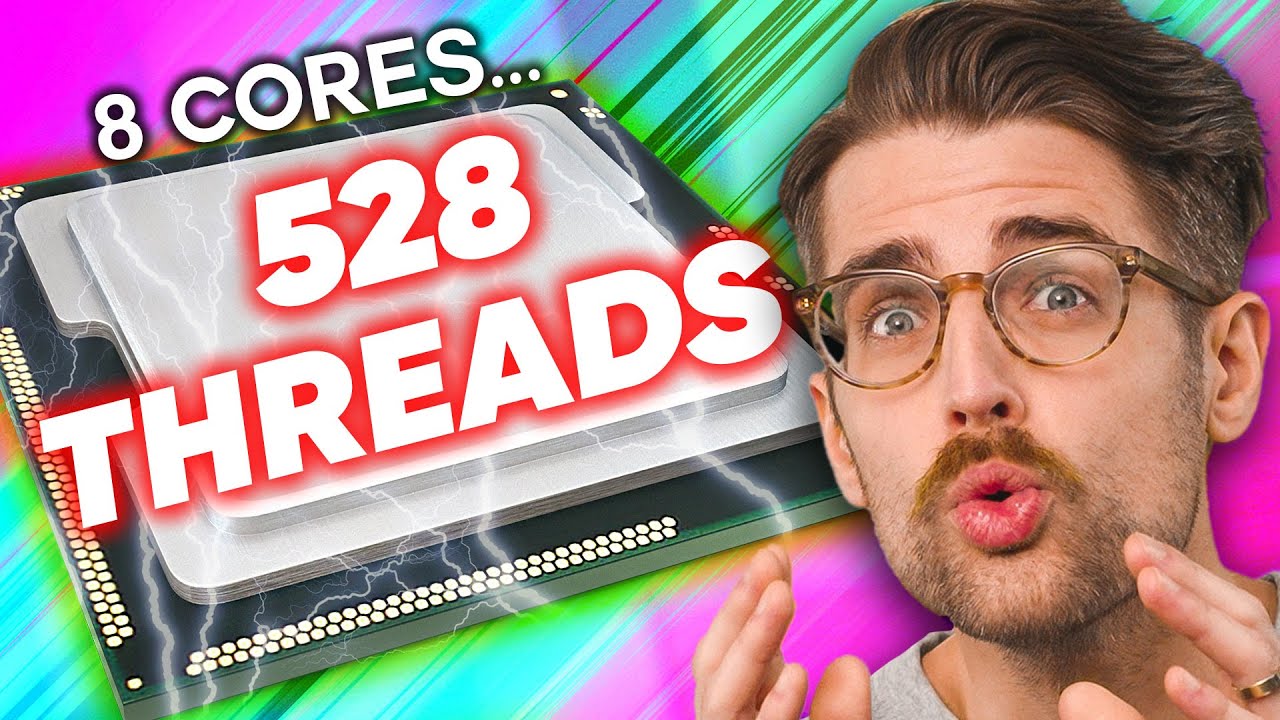
Intel's latest keynote tease centers on Puma, a photonics-based processor touted as a radical departure from traditional silicon CPUs. The video describes eight cores with 66 threads per core, totaling an astonishing 528 threads, all designed to handle petabyte-scale workloads at a data throughput of 1 TB per second. The concept relies on optical interconnects to stitch together eight-socket server sleds, potentially enabling very high performance for specialized workloads. The host frames these advancements within the context of Hot Chips 2023, noting that the approach uses a custom RISC architecture rather than a conventional x86 design. The discussion also contrasts current multi-threading norms, where thread count per core has diminishing returns for most modern applications, with Intel’s ambitious goal of leveraging massive parallelism for data-intensive AI and HPC tasks. The video emphasizes the speculative nature of such technology while highlighting the potential implications for future data centers, silicon design, and the broader optics-driven computing landscape. Overall, the segment presents a mix of admiration for technical audacity and a cautious view of the practical hurdles that photonic CPUs must clear before hitting mainstream deployment.
Topics · science_and_technology · hardware · ai · regulations · research_and_development · tech_news