This Should Be Illegal...
0 up · 0 down · 0 ratings
Promos
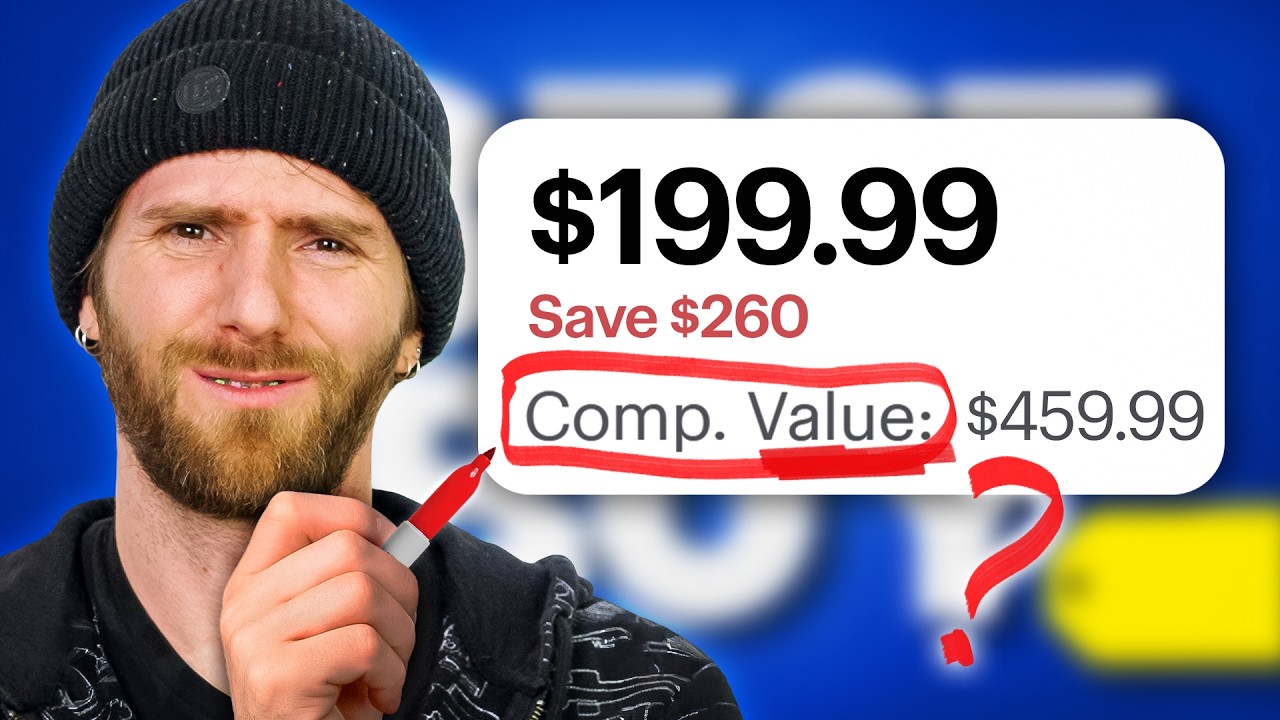
Get 20% off DeleteMe US consumer plans when you go to joindeleteme.com and use promo code LTT20 at checkout. DeleteMe International Plans: international.joindeleteme.com GO BUY STUFF AT LTTSTORE AND GET FREE SHIPPING! US: lmg.gg WW: lmg.gg $150 Minimum for US and Canada $225 Minimum worldwide If you want to get an even better offer, sign up for our Supporter Plus tier on floatplane at: lmg.gg Best Buy is out here comparing their prices to... what? Anything? Anytime? Sold by anyone!? Linus discusses online retailer pricing transparency and reference pricing as businesses increasingly become marketplaces. Intro concept by Ryan Nelson Discuss on the forum: linustechtips.com
Channels and socials
Check out our Channel Partners: Secretlab - Grab a TITAN Evo ergonomic gaming chair: lmg.gg PIA - Get the VPN of our choice: piavpn.com dbrand - Buy a "Circuit" series skin for your device: dbrand.com ► SHOP LTT PRODUCTS: lttstore.com ► GET EXCLUSIVE CONTENT ON FLOATPLANE: lmg.gg ► DIVE DEEPER ON THE LTT LABS WEBSITE: lmg.gg ► SPONSORS, AFFILIATES, AND PARTNERS: lmg.gg Purchases made through some store links may provide some compensation to Linus Media Group. Affiliate links powered in part by affilimate.com Linus Sebastian is an investor in Framework Computer, Inc and HexOS by Eshtek. CHAPTERS --------------------------------------------------- 0:00 Intro 2:10 Best Buy's "Comp. Value" 3:23 FOMO Marketing 4:28 Ice, Ice, Baby 4:37 Isn't This Illegal? 6:14 It's Not Just Best Buy 7:07 What Should Be Done? 9:19 Price Trackers 12:05 What Can You Do? 13:52 Outro Correction: 8:52 Update: Since filming, the Mac Mini "From" price has increased to $799.
This video opens with a sharp critique of deceptive pricing practices used by retailers, framing the issue as an ongoing problem that affects consumers more broadly than a single store. The host uses a concrete example from Best Buy to illustrate how new pricing terms, like compare at and reference pricing, can mislead shoppers by suggesting larger discounts than are actually present. He dissects the fine print to show how the reference price can be derived from a variety of sources, including future prices or prices from marketplace sellers, making the claimed savings dubious at best. This segment also explains the regulatory angle, linking these practices to FTC guidelines on retail price comparisons and highlighting that past lawsuits, even if unresolved, signal potential legal risk for retailers. The narrative then broadens to show that the issue is not isolated to one retailer but affects multiple chains, including Walmart and Amazon, with each employing its own flavor of reference pricing or up to pricing. The discussion moves toward practical implications for shoppers who want real transparency and outlines that the current landscape is a race to avoid accountability rather than a straightforward display of true value. The host sets up a roadmap for the rest of the video, promising a look at what consumers can do to counter deceptive pricing and where to find price history data to make informed decisions.
Topics · consumer protection · retail pricing · marketplaces · regulation
Questions answered
- What is reference pricing and why can it be misleading?
- Reference pricing is a price used as a comparison baseline to show discounts, but it can be based on arbitrary or future prices, or prices from other sellers, making the discount appear larger than it is.
- Which retailers are discussed in relation to deceptive pricing?
- The video discusses Best Buy, Walmart, and Amazon, detailing how each uses compare at, up to, or MSRP-based references that may not reflect actual typical selling prices.
- What can consumers do to counter deceptive pricing?
- Consumers can use price-tracking tools, seek price-history data, support regulatory action, advocate with consumer groups, and steer purchases toward retailers that do not engage in misleading practices.