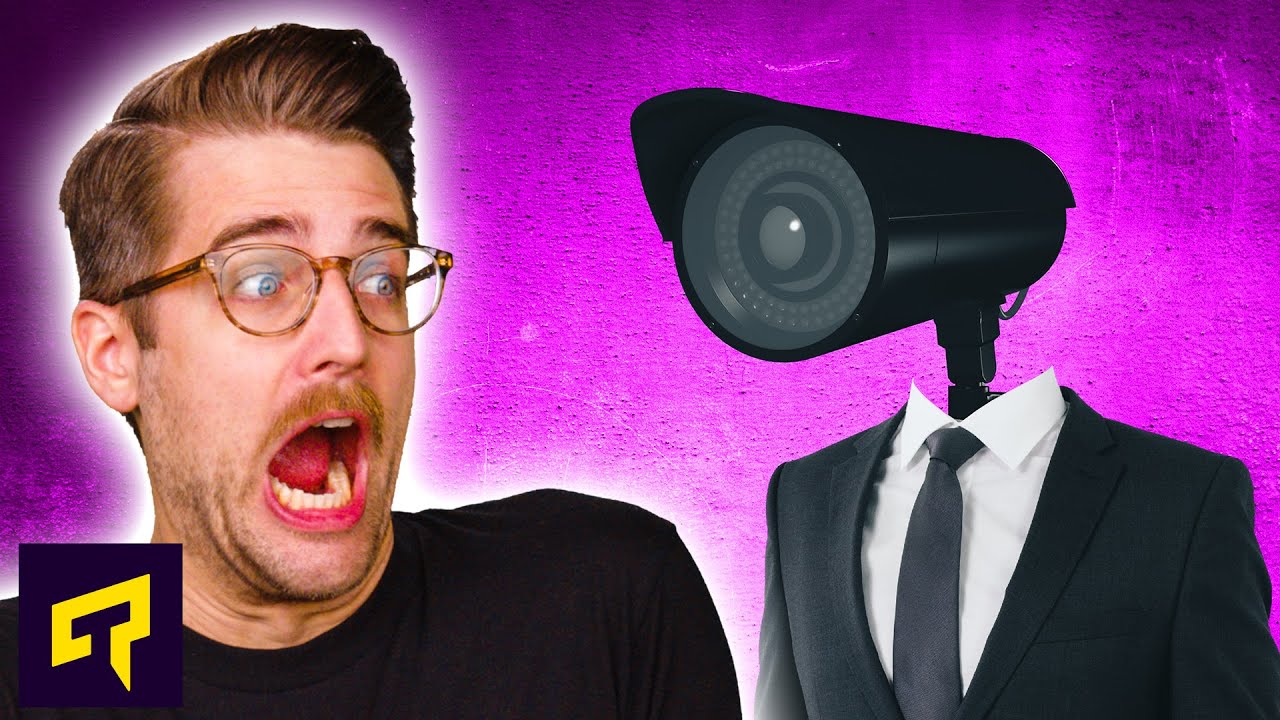
Are VPNs Just A Scam?
0 up · 0 down · 0 ratings
Promos
Buy a Seasonic Ultra Titanium PSU On Amazon: geni.us On Newegg: lmg.gg Do VPNs actually keep you as private as they claim? Leave a reply with your requests for future episodes, or tweet them here: twitter.com ►GET MERCH: lttstore.com ►SUPPORT US ON FLOATPLANE: floatplane.com ►LTX EXPO: ltxexpo.com AFFILIATES & REFERRALS --------------------------------------------------- ►Affiliates, Sponsors & Referrals: lmg.gg ►Private Internet Access VPN: lmg.gg ►MK Keyboards: lmg.gg ►Secretlabs Gaming Chairs: lmg.gg ►Nerd or Die Stream Overlays: lmg.gg ►Green Man Gaming lmg.gg ►Amazon Prime: lmg.gg ►Audible Free Trial: lmg.gg ►Our Gear on Amazon: geni.us FOLLOW US ELSEWHERE --------------------------------------------------- Twitter: twitter.com Facebook: @LinusTech Instagram: @linustech Twitch: twitch.tv FOLLOW OUR OTHER CHANNELS --------------------------------------------------- Linus Tech Tips: lmg.gg Mac Address: lmg.gg TechLinked: lmg.gg ShortCircuit: lmg.gg LMG Clips: lmg.gg Channel Super Fun: lmg.gg Carpool Critics: lmg.gg
Are VPNs really trustworthy, or are they just another marketing pitch? In the opening segment, the video outlines two common reasons people use VPNs: bypassing geo-restrictions and protecting privacy, then focuses on the latter. It explains the theoretical model of a VPN: you connect to a VPN server, which forwards your traffic so your ISP cannot see your browsing destinations, while also making it possible for the VPN to observe unencrypted data or metadata. The host emphasizes that some logging is necessary for operation, such as handling IP addresses and routing data, which raises the central question of how much logging is truly necessary and whether it is purged after use. The discussion then pivots to practical trust issues, noting that no service is perfectly trustworthy, thus encouraging viewers to perform due diligence rather than blindly trusting any provider. The video warns against free VPNs, which often rely on ads or data sales, and recalls notable scandals where free VPNs leaked logs or even sold user bandwidth, underscoring that the cheapest option may carry the highest privacy risk. The presenter transitions into actionable guidance, suggesting that paying for a reputable VPN does not automatically guarantee privacy, and highlights several red flags to look for in policies and third party audits. The segment concludes with a recap of legal considerations, such as mandatory data retention laws in certain jurisdictions and the possibility that some VPNs may be compelled to reveal user information, depending on where they are based. The overall takeaway is that protecting privacy with a VPN requires due diligence, critical evaluation of audits, and an awareness that every provider operates within a legal and commercial context that can affect user data. The host reinforces that responsible use and informed choices are essential, inviting viewers to explore similar topics in future episodes and to engage with recommended gear sponsors separately from the core privacy discussion.
Topics · privacy · cybersecurity · technology · internet_privacy · consumer_education
Questions answered
- What makes VPN privacy claims credible or not?
- Credibility comes from transparent privacy policies, independent third party audits, and the absence of mandatory data retention requirements in the VPN's jurisdiction. A provider that publishes audit results and can demonstrate no logging of user activity, or uses cryptographic protections with verifiable proofs, is more trustworthy.
- Should you trust a paid VPN over a free one?
- Generally yes, paid VPNs are more likely to avoid data monetization practices typical of free services, but you should still examine their audits, terms, and whether they log metadata or content. Avoid free VPNs that rely on ads or user data sales.