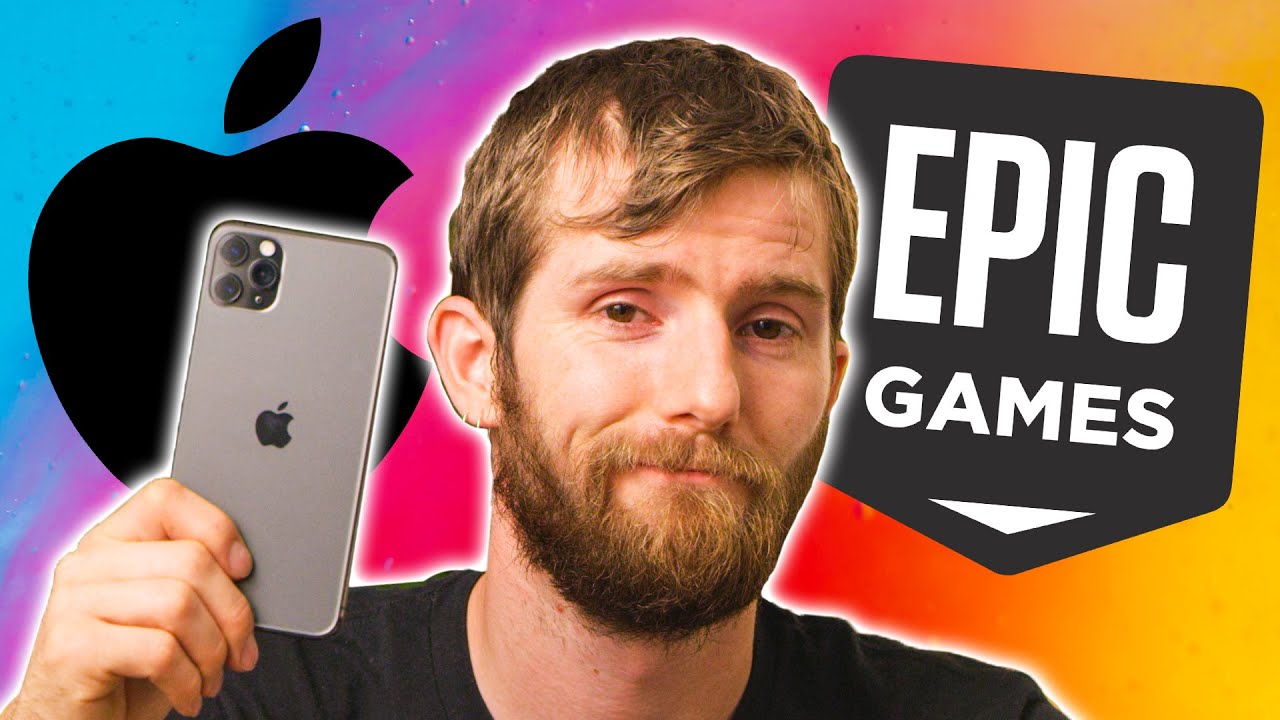
Apple’s Reckoning Has Come.
0 up · 0 down · 0 ratings
Promos
Find the best prices & best selection at Micro Center: rebrand.ly MAINGEAR Vector 2: rebrand.ly MAINGEAR Element 2: rebrand.ly MAINGEAR Element 3: rebrand.ly Pre-order the ASUS XG17 Portable Gaming Display at geni.us Epic Games sued Apple so they could make more money from Fortnite - Apple sued back because THEY wanted more money through the App Store. But is that the whole story? It's clearly not, because we made a whole video about it. This fight is a WAY bigger deal than a simple cash grab. Buy: iPhone 11 Pro On Amazon (PAID LINK): geni.us On Newegg (PAID LINK): geni.us On Best Buy (PAID LINK): geni.us Purchases made through some store links may provide some compensation to Linus Media Group. Discuss on the forum: linustechtips.com ►GET MERCH: lttstore.com ►SUPPORT US ON FLOATPLANE: floatplane.com ►LTX EXPO: ltxexpo.com AFFILIATES & REFERRALS --------------------------------------------------- ►Affiliates, Sponsors & Referrals: lmg.gg ►Private Internet Access VPN: lmg.gg ►MK Keyboards: lmg.gg ►Nerd or Die Stream Overlays: lmg.gg ►NEEDforSEAT Gaming Chairs: lmg.gg ►Displate Metal Prints: lmg.gg ►Epic Games Store (LINUSMEDIAGROUP): lmg.gg ►Amazon Prime: lmg.gg ►Audible Free Trial: lmg.gg ►Streamlabs Prime: geni.us ►Our Gear on Amazon: geni.us FOLLOW US ELSEWHERE --------------------------------------------------- Twitter: twitter.com Facebook: @LinusTech Instagram: @linustech Twitch: twitch.tv FOLLOW OUR OTHER CHANNELS --------------------------------------------------- Techquickie: lmg.gg TechLinked: lmg.gg ShortCircuit: lmg.gg LMG Clips: lmg.gg Channel Super Fun: lmg.gg Carpool Critics: lmg.gg MUSIC CREDIT --------------------------------------------------- Title: Laszlo - Supernova Video Link: youtube.com iTunes Download Link: itunes.apple.com Artist Link: soundcloud.com Outro Screen Music Credit: Approaching Nirvana - Sugar High youtube.com Monitor And Keyboard by vadimmihalkevich / CC BY 4.0 geni.us Mechanical RGB Keyboard by BigBrotherECE / CC BY 4.0 geni.us Mouse Gamer free Model By Oscar Creativo / CC BY 4.0 geni.us
Apple’s Reckoning Has Come analyzes the Epic Games versus Apple and Google antitrust showdown, focusing on the 30 percent store fee, or the so-called Apple tax, and what it would mean for developers if a judge redefines the structure of digital app distribution. The video explains that Epic’s strategy hinges on forcing a reevaluation of how iOS and Android ecosystems operate, including the possibility of competing app stores and alternative in-app payment options. It notes that Android already allows sideloading and third-party stores, but Epic argues that platform control still creates a de facto monopoly. The host argues that a win for Epic could upend the traditional “walled garden” approach, potentially enabling sideloading or competing stores on iOS, which would radically alter the app economy for developers and consumers alike. The analysis also covers the legal and economic nuances, such as how market definitions influence monopoly determinations and how high-level actors like Tencent and major publishers have voiced support for reducing the Apple tax. The video frames the dispute as a structural challenge to ongoing platform economics, not merely a one-off cash dispute between Epic and Apple. It concludes by weighing the potential consumer and developer benefits of reform against Apple’s argument that its ecosystem delivers security, malware protection, and ongoing software updates, arguing that the real stakes go far beyond Fortnite and into the future of digital content distribution. A key portion of the discussion centers on Epic’s controversial app store tactics, including Fortnite’s removal from the App Store after Epic introduced a direct payment option in its update. The host details the sequence of events, including Epic’s 60-page lawsuits against both Apple and Google and the release of a satirical film, to illustrate how the conflict escalated quickly. The video dissects Apple’s defense that iOS app distribution is tightly integrated with the iPhone experience, arguing that a judge may see this as a natural monopoly given the device’s unique characteristics. The analysis also highlights the contrast with Android, where Google Play and third-party stores coexist in theory, though Epic claims the system still discourages true competition. Throughout, the host emphasizes that Epic’s broader aim is competition for developers, not merely revenue, suggesting that a change could empower other platforms and services to compete on price and policy. The piece closes by acknowledging the political and consumer implications, weighing Apple’s ecosystem benefits against the need for competitive pressure, and indicating that the outcome of the September 28 hearing could redefine how digital platforms balance control, safety, and innovation. The discussion also provides context on the economic rationale behind the 30 percent fee and why some apps can negotiate lower percentages while others cannot. The host explains how Apple’s pricing model supports ongoing services, updates, and malware protection, and why this is appealing to many developers and users. At the same time, the video examines nuanced cases like Uber and Airbnb which are allowed to direct payments for physical goods and services, contrasting them with pure digital services that must use Apple’s in-app payments. This nuance helps explain why the perceived fairness of the 30 percent cut is not uniform across all apps. The host also situates the debate within broader industry dynamics, noting how Epic’s store strategy on PC and console markets informs its Android and iOS ambitions, and framing the fight as part of a larger movement toward more developer autonomy and platform accountability. Overall, the video argues that the Epic versus Apple case is about reshaping the platform economy for developers and consumers, with potential ripple effects across the tech industry. Finally, the host considers the sociopolitical dimension, including public letters from Microsoft and other publishers urging a lower fee and greater platform openness, while acknowledging Apple’s rebuttals and the strategic use of public relations. The narrative weaves together legal theory, economics, and real-world examples to illustrate why this case matters beyond Fortnite. It concludes with a cautious, evidence-based stance: Epic faces a challenging legal landscape, but even if the lawsuit does not overturn the status quo, the public discourse and potential regulatory attention may push major platforms toward more reform and competition in the digital marketplace.
Topics · technology policy · antitrust · digital platforms · app stores · software economics · consumer tech
Questions answered
- Why would Epic want to change how iOS app distribution works?
- Epic seeks to enable alternative app distribution and direct payment options to increase developer revenue and competition, potentially reducing or bypassing the Apple tax.
- What is the core legal question in the Epic vs Apple case?
- Whether Apple holds a monopoly in the iOS app distribution market or constitutes a duopoly with Google, and whether its practices constitute unlawful monopoly power.
- How does Apple defend the 30 percent cut?
- Apple argues the App Store, iOS, and in-app payments are part of a single product ecosystem that provides security, updates, and a curated marketplace for developers and users.
- What could change if Apple loses or settles the case?
- A potential allowance of third-party app stores or alternative payment methods on iOS, reshaping the economics of digital apps and benefiting developers.