PlasticARM CPUs - What To Know
0 up · 0 down · 0 ratings
Promos
Check out the DROP + OLKB Preonic Keyboard MX Kit V3 at dro.ps Why are there new ARM chips being made out of plastic? Leave a reply with your requests for future episodes, or tweet them here: twitter.com ►GET MERCH: lttstore.com ►SUPPORT US ON FLOATPLANE: floatplane.com ►LTX EXPO: ltxexpo.com AFFILIATES & REFERRALS --------------------------------------------------- ►Affiliates, Sponsors & Referrals: lmg.gg ►Private Internet Access VPN: lmg.gg ►MK Keyboards: lmg.gg ►Secretlabs Gaming Chairs: lmg.gg ►Nerd or Die Stream Overlays: lmg.gg ►Green Man Gaming lmg.gg ►Amazon Prime: lmg.gg ►Audible Free Trial: lmg.gg ►Our Gear on Amazon: geni.us FOLLOW US ELSEWHERE --------------------------------------------------- Twitter: twitter.com Facebook: @LinusTech Instagram: @linustech Twitch: twitch.tv FOLLOW OUR OTHER CHANNELS --------------------------------------------------- Linus Tech Tips: lmg.gg Mac Address: lmg.gg TechLinked: lmg.gg ShortCircuit: lmg.gg LMG Clips: lmg.gg Channel Super Fun: lmg.gg Carpool Critics: lmg.gg
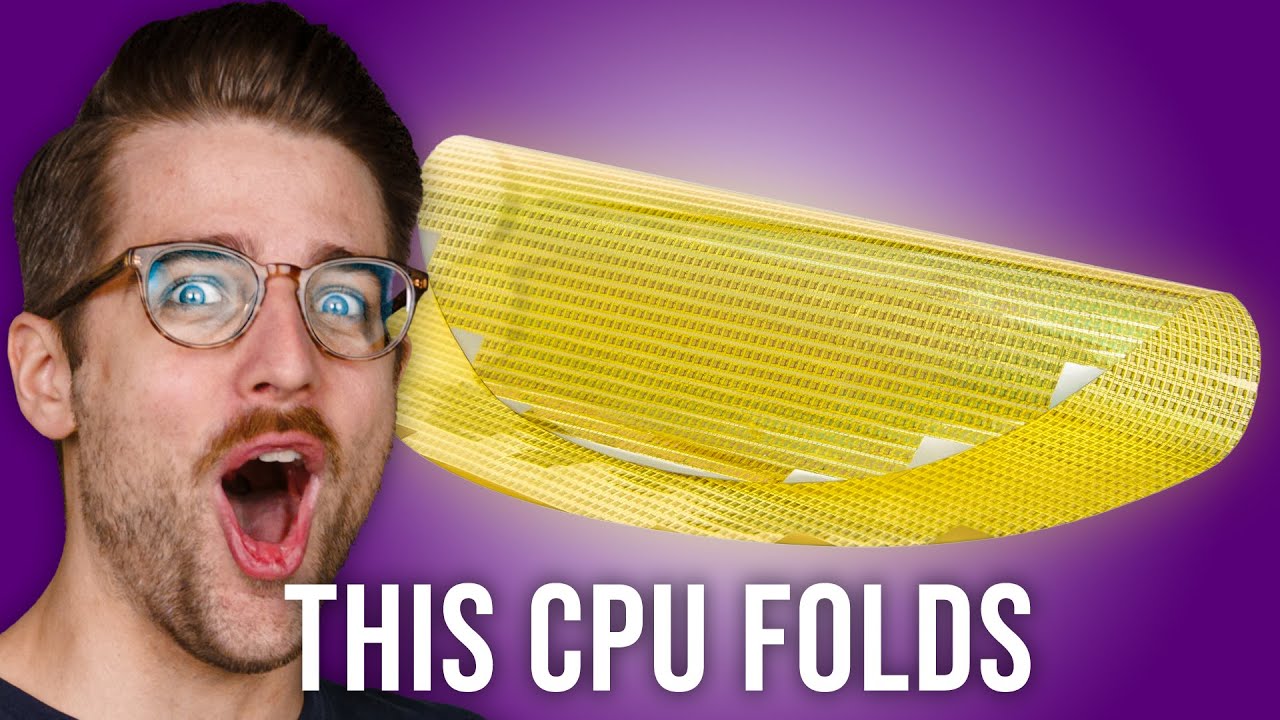
The video introduces a provocative idea in computing: the possibility of printing transistors on plastic to create a flexible ARM based processor. It explains that while CPUs have historically relied on silicon wafers, alternative materials like plastic could enable bendable, cheaper, and lighter devices. The specific PlasticARM project uses an ARM Cortex M0 core with a small amount of memory on a plastic substrate, produced via photo lithography similar to conventional chip manufacturing. Transistors for this chip can be made from indium gallium zinc oxide, a material already used in TFT displays, allowing low-cost production. The presenter emphasizes that the current plastic ARM is not highly powerful or energy efficient, running at about 29 kilohertz on an 800 nanometer process and wasting most of its 21 milliwatts as heat. Despite the limitations, the video outlines potential applications in environmental sensing, smart packaging, and medical bandages, where traditional silicon chips may be unnecessarily expensive or brittle. The segment concludes with a forward look, noting that while immediate impact is modest, continued development could lead to plastic chips embedded in billions of objects over the next decade, albeit with more work needed to improve power efficiency and capability. The sponsor segment highlights a compact keyboard kit, tangentially illustrating the broader interest in modular, affordable hardware. Viewers are invited to share ideas for future episodes and to explore related tech content from the channel.
Topics · technology · science and engineering · hardware · embedded systems · materials science
Questions answered
- What is PlasticARM CPUs and what core is used?
- PlasticARM uses a bendable processor built on a plastic substrate and uses an ARM Cortex M0 core with a small amount of memory.
- How powerful and power efficient is the PlasticARM CPU currently?
- It runs at about 29 kilohertz on an 800 nanometer process and consumes about 21 milliwatts, with the majority of power wasted as heat, making it slow and not highly power efficient.
- What potential applications are envisioned for plastic CPUs?
- Possible applications include environmental sensing, smart packaging that detects spoilage, and medical bandages that monitor healing, among others where low cost and flexibility matter.