Performance degradation - is it real?
0 up · 0 down · 0 ratings
Channels and socials
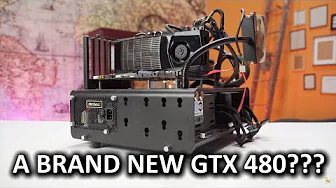
Yes we're testing some 480s today - no, they are not of the "RX" variety. Let's see if hard use really causes performance degradation! Thanks to HP for sponsoring this video! Learn more about their PageWide Printers at bit.ly Cooler Master Store link: bit.ly Buy on Amazon: geni.us Discuss on the forum: linustechtips.com Affiliates, referral programs, & sponsors: linustechtips.com Join our community forum: bit.ly twitter.com @LinusTech Intro Screen Music Credit: Title: Laszlo - Supernova Video Link: youtube.com iTunes Download Link: itunes.apple.com Artist Link: soundcloud.com Outro Screen Music Credit: Approaching Nirvana - Sugar High youtube.com Sound effects provided by freesfx.co.uk
The video opens by addressing a common belief that electronic devices inevitably degrade in performance over time, using everyday examples like an aging iPhone to frame the discussion. The host then dives into a concrete investigation sparked by online discussions about the Radeon RX 480 and the idea that used cards or those loaned to reviewers could suffer from wear that skews benchmarks. The setup is laid out in detail, including acquiring a brand new GTX 480 that has never been used, and comparing it against a heavily used reference GTX 480 that had been run through extensive benchmarking and testing. Throughout the first portion, the host methodically documents the hardware, reviews the test bench configuration, and explains the importance of eliminating bottlenecks to ensure valid results. Early results focus on temperatures, clock speeds, and fan behavior under Crisis 3 Skybox thermal testing, establishing a baseline for whether thermal or wear-related throttling could skew performance. The narrative then broadens to independent benchmarks such as 3D Mark and actual gameplay in Crisis 3, Batman Arkham Origins, and Grand Theft Auto 5, showing surprisingly consistent performance between the new and the used card. The video culminates in a nuanced conclusion: modern GPUs with no moving parts do not gradually degrade in performance from use in the same way as consumable materials, and perceived slowdowns are more likely due to software bloat, malware, or OS overhead, rather than physical wear of the components themselves. The host closes with practical takeaways about diagnosing performance issues, including the role of software, updates, and background processes, and hints at how modern office hardware, such as printers, can benefit from reliable, hands-off operation.
Topics · technology · hardware · gaming
Questions answered
- Do graphics cards exhibit gradual performance degradation with use, and what did the test reveal about this on a GTX 480?
- The test found that graphics cards with no moving parts do not typically degrade in performance over time due to use. The GTX 480 showed stable performance across a brand new and a previously used card in the tested scenarios, suggesting that gradual hardware wear is not a common cause of slowdown in this case.
- What factors are more likely responsible for perceived performance slowdowns in older systems?
- Software-related factors such as bloated applications, anti-malware packages, malware, and operating system updates are more likely to cause perceived slowdowns than natural hardware degradation, especially when the hardware has become older but still functional.
- What testing methodology was used to ensure fair comparisons between the old and new GPUs?
- The host used a high-end test bench to avoid bottlenecks, ran standardized benchmarks like 3D Mark, and performed real games at consistent settings to compare core clock speeds, temperatures, and frame rates between the brand new GTX 480 and the used GTX 480 under heavy load.