The PROBLEM with 5G mmW...
0 up · 0 down · 0 ratings
Promos
Thanks to T-Mobile for sponsoring this video! We test out 5G MMw technology and the pitfalls behind it. Learn more about T-Mobile's 5G deployment at lmg.gg In this video, Linus heads to NYC to try out the reliability of millimeter wave 5G mobile connections. Spoiler alert, it sucks. Discuss on the forum: linustechtips.com Linus Tech Tips merchandise at lttstore.com Our Test Benches on Amazon: amazon.com Our production gear: geni.us Twitter - twitter.com Facebook - @LinusTech Instagram - @linustech Twitch - twitch.tv Intro Screen Music Credit: Title: Laszlo - Supernova Video Link: youtube.com iTunes Download Link: itunes.apple.com Artist Link: soundcloud.com Outro Screen Music Credit: Approaching Nirvana - Sugar High youtube.com
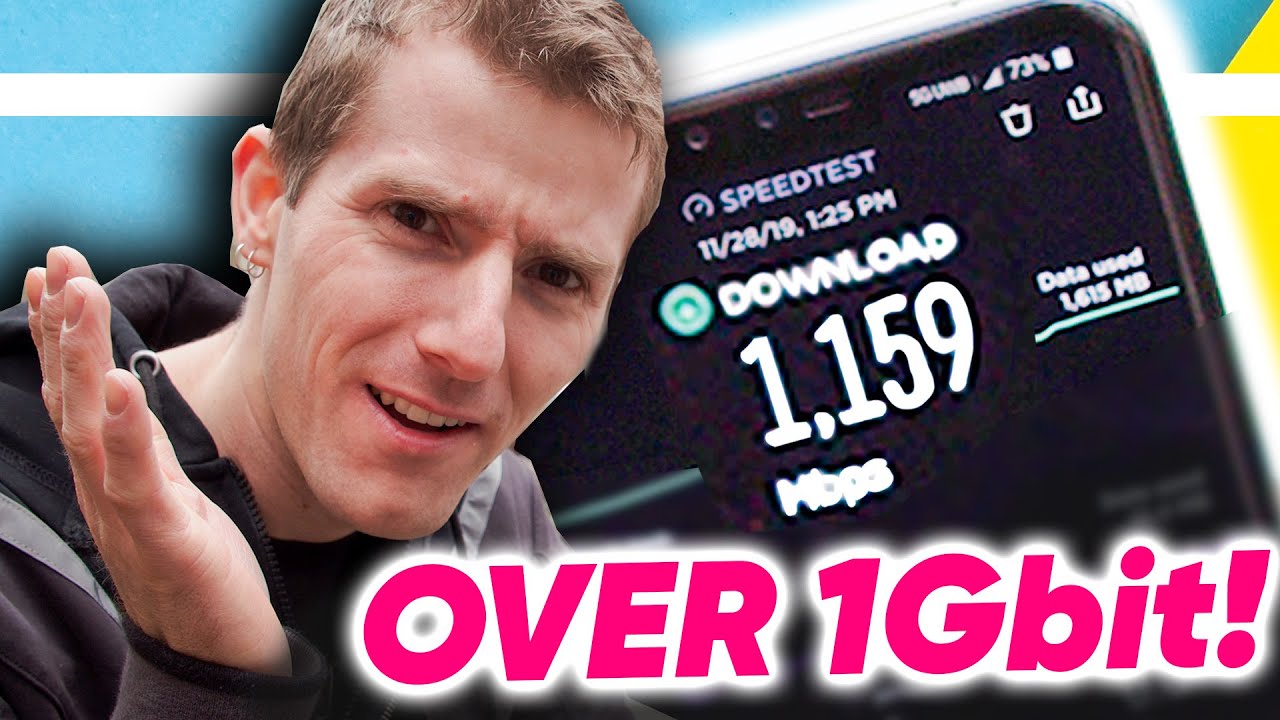
The video investigates the practical challenges of millimeter wave 5G, specifically how real world conditions drastically impact performance. Starting with a comparison to 4G LTE, the host explains that while 5G promises higher speeds and lower latency for applications like HD video, autonomous systems, and gaming, these benefits hinge on using millimeter wave spectrum which is highly susceptible to obstruction. The tester then demonstrates this by locating a millimeter wave 5G hotspot in Bryant Park and performing live speed tests that show impressive speeds in direct line of sight but rapid degradation when the signal is blocked or the user moves away from the signal source. Throughout the video, the host conducts a series of scenario tests to illustrate how common obstacles such as walls, rain, and even being indoors drastically reduce or eliminate 5G millimeter wave connectivity, forcing devices back to 4G LTE. The discussion transitions to a broader view of industry deployment strategies, explaining that T-Mobile’s plan is to blend low, mid, and high band frequencies to balance coverage and speed, aiming for widespread indoor usability while still leveraging the ultra-fast but short-range millimeter wave where possible. The sponsor mention ties the tech dive to real deployments, noting that T-Mobile’s 5G rollout spans many cities and emphasizes a multi-band approach tied to a larger network modernization effort. The video concludes with a practical takeaway: millimeter wave 5G offers short-range speed but faces significant reliability hurdles that require complementary bands and thoughtful network design for comprehensive coverage.
Topics · technology · telecommunications · networking · science-and-technology · mobile-technology
Questions answered
- Why does millimeter wave 5G sometimes deliver gigabit speeds, and what limits its reliability in real-world use?
- Gigabit speeds are achievable with line-of-sight millimeter wave signals in favorable conditions, but millimeter wave signals are highly sensitive to obstacles and require clear paths. Objects like walls, rain, or even a person between the device and the cell site can block or degrade the signal, causing rapid drops back to 4G LTE and making reliable indoor coverage difficult.
- How is T-Mobile approaching 5G deployment to balance speed and coverage?
- T-Mobile plans to use a combination of low, mid, and high band frequencies they own or will acquire, aiming for high speeds with broad coverage. The strategy seeks to leverage the strengths of each band to maintain indoor usability and overall reach while still deploying fast millimeter wave in targeted areas.
- What practical lessons can consumers take away from this test about 5G millimeter wave?
- Expect very fast speeds only in favorable, unobstructed locations and short distances from the signal source. In everyday scenarios like moving indoors or through obstacles, the performance may drop significantly, so a multi-band approach is essential for reliable service.