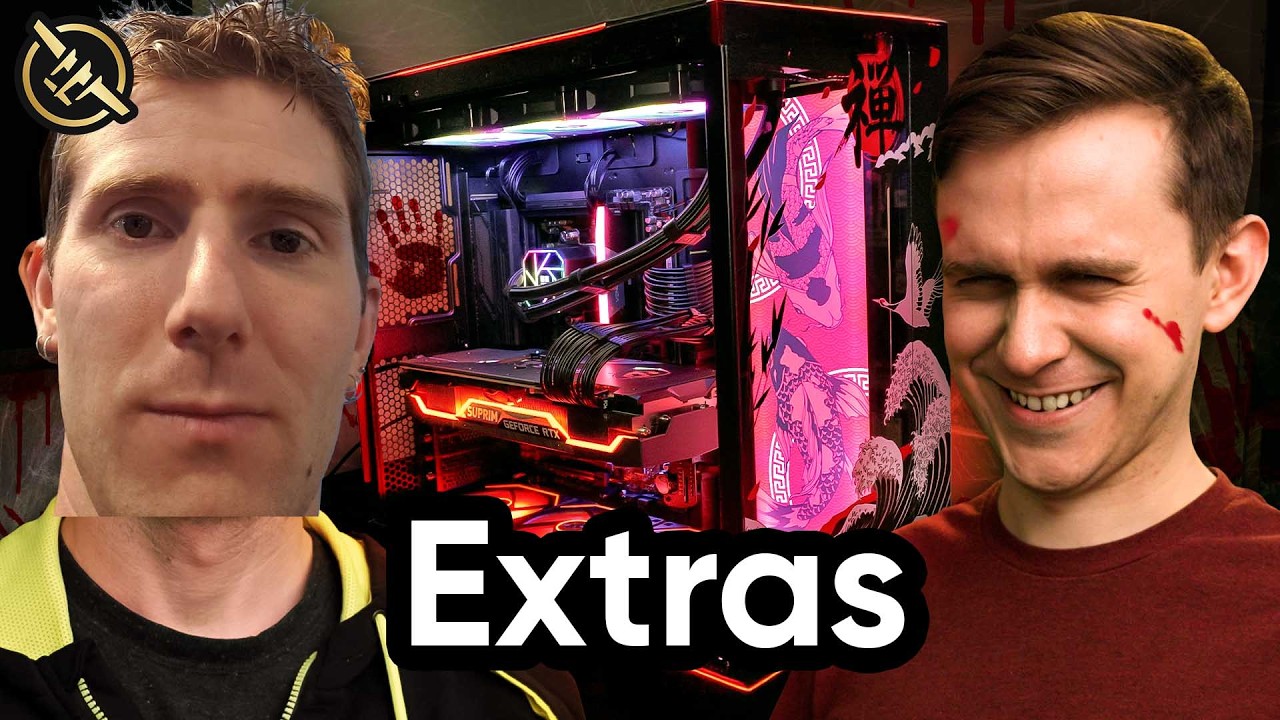
Extras - AMD Upgrade Mitchell
0 up · 0 down · 0 ratings
Description
Thank you for your support!
Promos
Check out Floatplane for more benefits at a lower price at lmg.gg ► GET MERCH: lttstore.com ► LTX: lmg.gg ► SPONSORS, AFFILIATES, AND PARTNERS: lmg.gg ► OUR WAN PODCAST GEAR: lmg.gg FOLLOW US --------------------------------------------------- Twitter: twitter.com Facebook: @LinusTech Instagram: @linustech TikTok: @linustech Twitch: twitch.tv
This video appears to be part of a tech focused extras series, centering on an AMD upgrade performed on a machine associated with the host known as Mitchell. The episode likely sets the stage by outlining the goals of the upgrade, including which AMD components are considered and what benchmarks or hands-on tests will be used to evaluate the impact. Viewers should expect a step by step overview of planning, component selection, and compatibility checks, framed within the broader context of a hardware upgrade project. The host presumably explains how the upgrade aligns with the system’s existing architecture and what constraints or requirements shaped the approach. The second paragraph of the video probably dives into the practical execution of the upgrade. This would include disassembly or preparation work, the removal of legacy components, and the installation of the AMD hardware. The host may demonstrate important fit checks, thermal considerations, and cable management practices, emphasizing careful handling of sensitive parts. Through the segment, expect commentary on tool choices, safety precautions, and the sequence of tasks to minimize downtime and errors. The segment likely builds toward a clear, actionable plan that viewers can mirror in their own setups. In the middle portion, the video presumably covers initial testing and validation after the upgrade. This could involve boot tests, BIOS/firmware configuration, and initial performance measurements to establish a baseline. The host might compare expected versus observed behavior, noting any surprises such as cooling efficiency, stability under load, or power draw. Visuals may include screen captures of performance stats and qualitative impressions of system responsiveness. The outcomes discussed probably set the stage for a discussion on whether further tweaks or optimizations are warranted. The final portion likely offers conclusions, takeaways, and potential next steps. Viewers can expect a recap of the upgrade’s impact on performance, latency, or efficiency, along with practical recommendations for similar builds. The host may propose ideas for future upgrades, additional testing scenarios, or considerations for upgrading other subsystems. The closing segment probably reinforces key lessons, encourages viewer feedback, and points to related content or resources for deeper exploration.
Topics · technology · hardware · computer_build · upgrades · testing · performance