Why Is 3D So Bad?
0 up · 0 down · 0 ratings
Promos
Why are modern implementations of 3D usually so unconvincing? Visit tunnelbear.com and start your 7-day free trial today! Techquickie Merch Store: designbyhumans.com Techquickie Movie Poster: shop.crowdmade.com Follow: twitter.com Leave a reply with your requests for future episodes, or tweet them here: twitter.com License for image used: creativecommons.org Title music: Showdown by F.O.O.L from Monstercat - Best of 2016 Video Link: youtube.com iTunes Download Link: itunes.apple.com Listen on Spotify: open.spotify.com
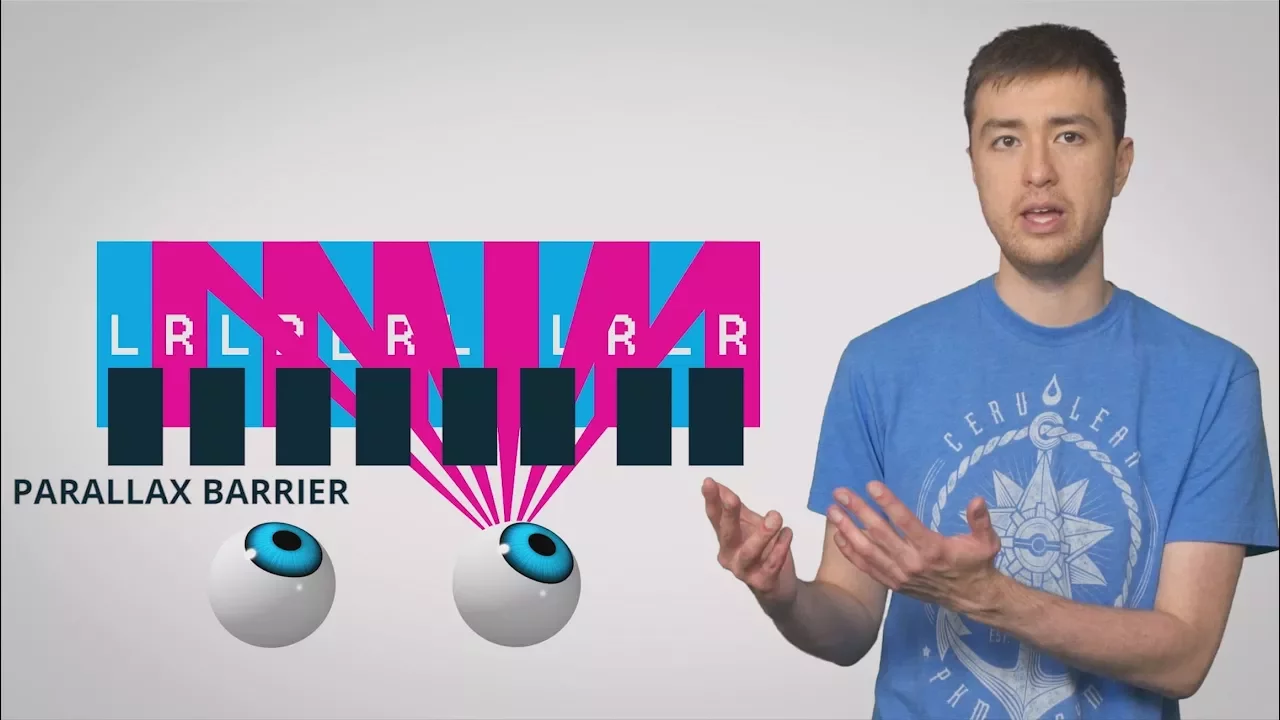
The video explains why modern 3D experiences often fail to feel convincing, focusing on how the human brain processes depth from stereoscopic images. It begins by contrasting the ideal of immersive 3D with the reality of flat screens, where our eyes must simultaneously refocus on the screen while attempting to perceive objects that appear to exist in a space between the screen and our face. This dual focus creates a cognitive mismatch that the brain struggles to resolve, leading to a sense of unreality and even nausea for some viewers. The discussion highlights how the RealD system uses polarized projection to deliver separate left and right eye images, but the resulting light loss can make 3D movies dark and less enjoyable, especially in home setups with bulky glasses and reduced vertical resolution. The segment also notes that some films are shot with native 3D or converted later, with the latter often delivering poorer results, while CGI and virtual camera techniques can improve the experience but cannot eliminate all perceptual issues. The host then shifts to alternative approaches, explaining how parallax barrier concepts used by the Nintendo 3DS provided a glasses-free 3D experience yet came with viewing angle limitations and lower display quality. The video traces the short-lived hype around 3D gaming with Nvidia 3D Vision and the broader move toward VR headsets like the Oculus Rift and HTC Vive, which offer high refresh rates and immersive fields of view without relying on a flat projection. In closing, the presenter contemplates whether we should wait for a more convincing, Star Trek-style holodeck or simply embrace VR as the future of truly immersive three-dimensional experiences, while inviting viewers to consider future topics for TechQuickie.
Topics · science_and_technology · gaming · virtual_reality · film_and_media · hardware