NVIDIA Project Shield Hands On Linus Tech Tips CES 2013
0 up · 0 down · 0 ratings
Description
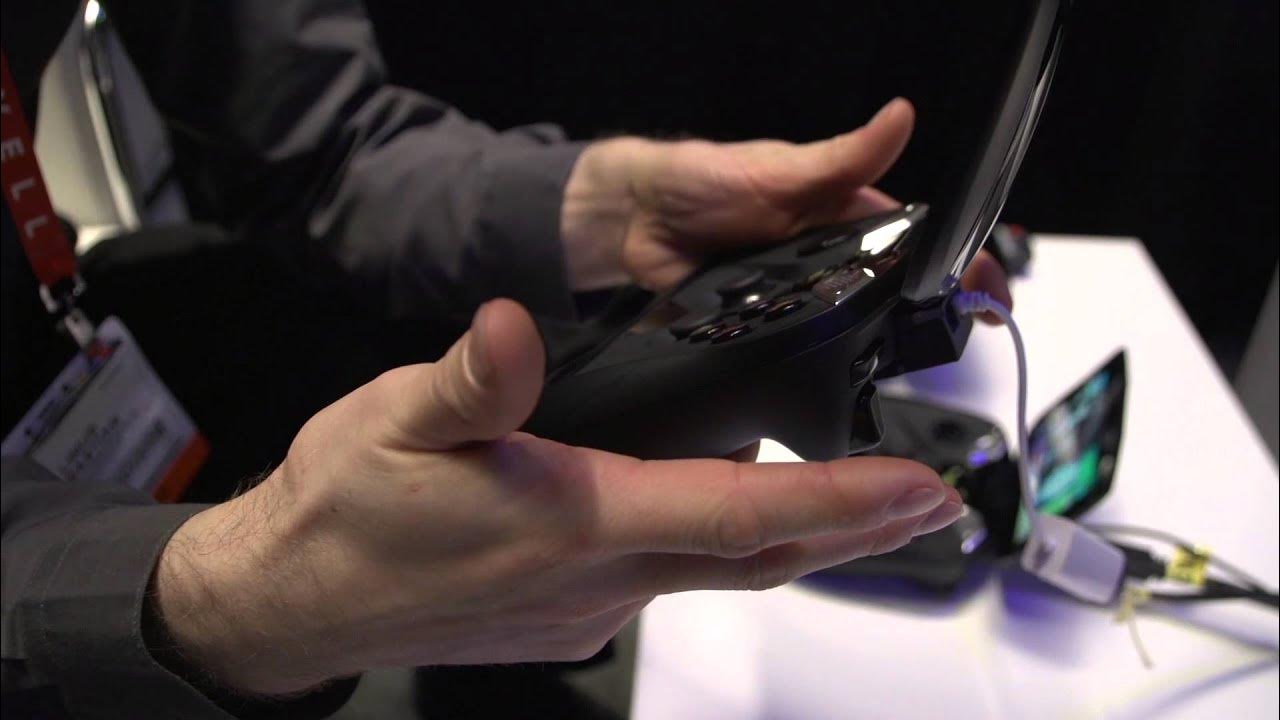
Project Shield is NVIDIA's Android-based, Tegra-powered handheld gaming console with the unique ability to accept a low latency wireless video input stream from a GeForce equipped PC. That means it can run Android games that are installed on the device itself, or it can run Windows games by relying on the computer to do the heavy lifting processing the game! Day 5 - video 4
NVIDIA Project Shield Hands On Linus Tech Tips CES 2013 presents a first look at NVIDIA’s Android based handheld gaming device, designed around the Tegra platform and a unique streaming capability. The presenters walk through the core idea: play Android games directly on the Shield or stream PC games from a GeForce-equipped PC as low-latency video. The setup demonstrates pairing the handheld with a PC over a network, highlighting a simple interface where users select their preferred PC games and launch them remotely. They discuss the hardware layout, including interchangeable top plates, a built-in controller with ergonomic grips, and the ability to switch between touch input and traditional gamepad controls. The presenters explain that typical use at home would rely on a strong Wi-Fi connection, though an Ethernet connection is used at CES to ensure stable performance in a crowded environment. Battery life is estimated at five to ten hours for Android gaming, with potentially longer longevity when streaming from the PC since decoding is handled on the desktop. The device is shown to render at 720p on a compact display, with responsive speakers and a tactile vibration feel from the chassis. The hands-on ends with praise for the potential future improvements like higher resolutions and better displays, while acknowledging the excitement around bringing PC gaming power to a portable form factor. Overall, the segment frames Shield as a bridge between console-like portability and full PC gaming power, aimed at both hardcore gamers and households seeking more flexible living room setups. The video emphasizes practical realities and use cases, such as how Shield could let players couch-coop or remote into a powerful PC without being tethered to a desk. It covers practical design choices, including the form factor, button layout, and the balance between a compact handheld and a capable gaming controller. The presenters note the emphasis on latency, the need for a capable router, and the potential to evolve to higher resolutions in future generations. They also touch on broader appeal, suggesting that families with multiple players or younger users could benefit from leveraging a PC they already own instead of buying a separate console. By the end, the tone is aspirational, framing Shield as the start of a new era in portable PC-inspired gaming that could scale with improved hardware in subsequent generations, while delivering a hands-on demonstration of its current capabilities and limitations.
Topics · technology · portable_gaming · gaming_devices · ces2013 · video_game_hardware
Questions answered
- What is Project Shield capable of in terms of game delivery and streaming?
- Project Shield can run Android games stored on the device and can also stream Windows PC games by performing the heavy processing on a GeForce-powered PC and sending the video as low-latency h.264 to the handheld.
- What kind of connectivity is required for optimal performance?
- A strong Wi-Fi network is recommended for home use to minimize latency, with Ethernet used in the CES demonstration to ensure stable performance in a crowded venue.