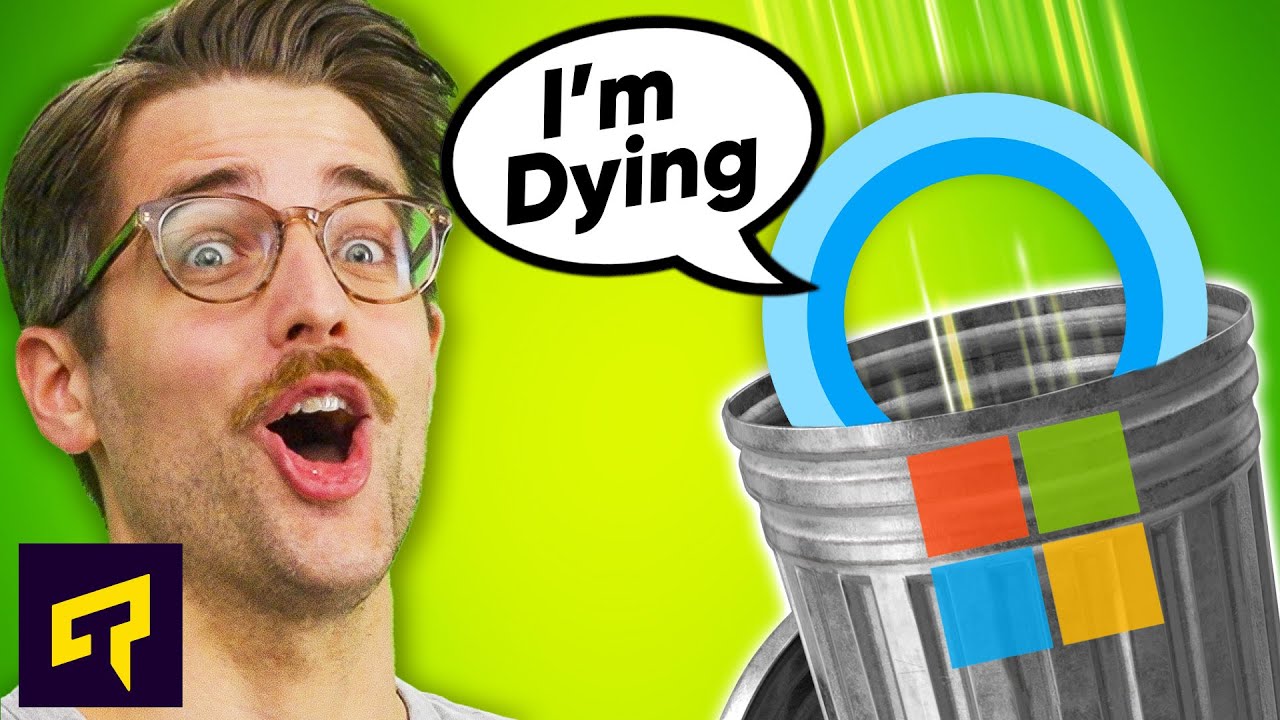
Microsoft Has Killed Cortana
0 up · 0 down · 0 ratings
Promos
Check out MotionGrey’s ergonomic workplace solutions at lmg.gg and use code LINUS for 10% off! Why has Microsoft killed off the Cortana voice assistant that was once a fixture in Windows? Leave a reply with your requests for future episodes. ► GET MERCH: lttstore.com ► LTX 2023 TICKETS AVAILABLE NOW: lmg.gg ► GET EXCLUSIVE CONTENT ON FLOATPLANE: lmg.gg ► SPONSORS, AFFILIATES, AND PARTNERS: lmg.gg FOLLOW US ELSEWHERE --------------------------------------------------- Twitter: twitter.com Facebook: @LinusTech Instagram: @linustech TikTok: @linustech Twitch: twitch.tv
Microsoft Has Killed Cortana examines why Microsoft ended Cortana support and what that signals about Microsoft’s AI strategy. The video frames Cortana as an ambitious project that never quite fit Windows users’ needs, tracing its origins to Windows Phone and the misread demand for a voice-driven PC experience. It notes how Cortana struggled to justify its existence alongside keyboard and mouse workflows, and how competitors like Siri and Alexa learned to monetize and deploy their assistants more effectively through smart speakers and services. The narrative then shifts to how Microsoft pivoted away from Cortana, culminating in a broader AI push centered on Copilot and the integration of large language models into Windows and Office. The video argues that Copilot represents a more coherent, scalable path for Microsoft’s AI future, while Cortana fades into the background and is ultimately excluded from the next generation of Windows features. It ends by suggesting that users who miss Cortana can still access a Halo-inspired voice ambiance, but that the broader Cortana brand has largely vanished from the core user experience. In its review of the historical arc, the video highlights the failed timing and rollout of Cortana, including its late entry to smart speakers and its limited cross-device usefulness. It contrasts Cortana’s intrusive tendencies with more user-friendly implementations by rivals, and it emphasizes the strategic pivot from a standalone voice assistant to an overarching AI assistant ecosystem anchored by Copilot. Concrete examples are given about how Copilot can auto-generate reports, create graphs, and analyze trends within Windows and Edge, illustrating a move from asking Cortana to simply making tasks easier to leveraging an integrated AI that can understand and synthesize data across products. The piece also touches on broader tech industry dynamics, such as the pandemic’s slowdown of Cortana improvements and Microsoft’s continued investment in AI research, all while leaving behind a product that failed to achieve widespread adoption. Overall, the video asserts that Cortana’s death reflects a natural strategic shift rather than a single failure, with Microsoft choosing a more scalable, data-driven AI approach instead of maintaining a diminishing voice assistant. The analysis concludes by revisiting the practical takeaway for viewers: if Cortana mattered to you, you can still engage with Halo-inspired voice cues, but the future of Windows AI rests with Copilot rather than Cortana. The video invites further listener input on future topics, signaling a community-driven approach to covering evolving AI and Windows features. By connecting historical context to current product directions, it provides a clear narrative about why Cortana was sunset and how Microsoft’s AI strategy aims to blend productivity tools with conversational intelligence.
Topics · technology · ai · software · science_and_tech
Questions answered
- Why did Microsoft end Cortana support?
- The video explains that Cortana failed to deliver enough value on Windows, struggled with user demand, and did not monetize effectively, leading Microsoft to deprioritize it in favor of broader AI ventures.
- What replaces Cortana in Microsoft’s strategy?
- Microsoft is moving toward Windows Copilot and AI features integrated into Office and Windows, leveraging large language models rather than a standalone voice assistant.
- Can Cortana still be used in any form?
- Cortana is not part of the next Windows generation, but some voice ambiance or Halo branding may exist, with the main focus now on Copilot and integrated AI tools.