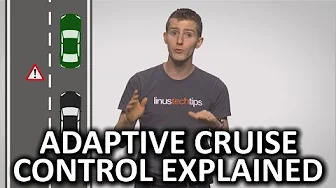
Adaptive Cruise Control As Fast As Possible
0 up · 0 down · 0 ratings
Description
Driverless cars aren't common yet, but vehicles with adaptive cruise control are pretty easy to come by. How does this "smart" cruise control make driving safer? Freshbooks message: Head over to freshbooks.com and don’t forget to enter Tech Quickie in the “How Did You Hear About Us” section when signing up for your free trial. Follow: twitter.com Join the community: linustechtips.com
Adaptive Cruise Control As Fast As Possible provides a concise explanation of how modern adaptive cruise control (ACC) works and why it enhances driving safety. The video begins by contrasting traditional cruise control with adaptive systems that adjust speed on the fly to maintain a safe following distance behind another vehicle. It then explains that most ACC implementations rely on radar, though some use lasers, with sensors mounted near the bumper or behind the grille to emit a signal and receive a return from the car ahead. The resulting data is processed to determine the distance and time gap, allowing the system to automatically adjust speed to keep a set following interval. The video also notes additional features such as collision avoidance that can brake more aggressively if the gap closes too quickly, and audio or visual warnings to alert the driver of potential hazards. It highlights the potential integration with GPS for zone-based speed adjustments and terrain awareness to improve fuel efficiency and safety. Finally, the host discusses the cost of ACC as an optional feature on many vehicles and mentions that while not a full autonomous system, ACC represents a meaningful step toward safer highways and better driver ergonomics. The segment closes with a light note about FreshBooks and a brief call to action for viewers to engage with the channel for more tech quickie content.
Topics · science and technology · automotive technology · safety