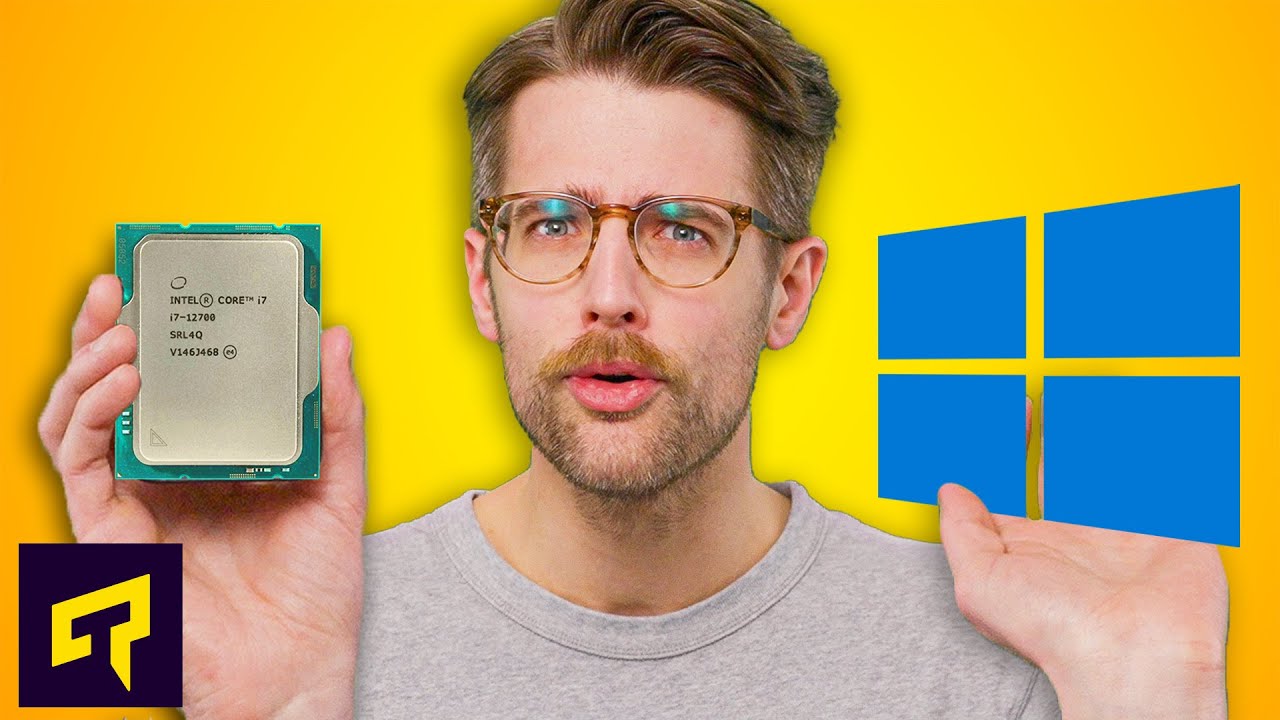
What is a Kernel?
0 up · 0 down · 0 ratings
Promos
Your business deserves a website! Create one for free at odoo.com Learn about operating system kernels. Leave a reply with your requests for future episodes. ► GET MERCH: lttstore.com ► GET EXCLUSIVE CONTENT ON FLOATPLANE: lmg.gg ► SPONSORS, AFFILIATES, AND PARTNERS: lmg.gg FOLLOW US ELSEWHERE --------------------------------------------------- Twitter: twitter.com Facebook: @LinusTech Instagram: @linustech TikTok: @linustech Twitch: twitch.tv
The kernel is the core component of an operating system, acting as the essential bridge between software applications and the computer’s hardware. It sits between programs like web browsers or games and the physical hardware, providing an abstracted, standardized surface that lets diverse hardware configurations work with the same software. This abstraction reduces the complexity of supporting countless PC and server setups by exposing a consistent interface for software to use, effectively serving as the low-level plumbing that software taps into. The explanation uses relatable analogies, comparing the kernel to household plumbing that enables different devices to connect without each app needing to know the specifics of every component. The kernel also plays a crucial role in security and stability, ensuring that programs cannot freely access arbitrary memory or hardware resources, which helps prevent data leaks and crashes. This memory protection means each running process gets its own RAM space and cannot cross into another process’s territory, a fundamental safeguard that keeps the system resilient even when individual programs misbehave. The video then discusses common kernel design philosophies and how modern systems often blend ideas to balance performance and reliability, with Linux tending toward modularity for uptime and Windows favoring a leaner, more monolithic approach for high-frame-rate gaming. It ends by illustrating how kernels handle errors, such as driver failures, and how mechanisms like kernel panics or driver recovery aim to recover gracefully or halt safely when a fatal condition is detected.
Topics · computing · operating systems · software architecture · hardware · security
Questions answered
- What is the kernel in an operating system and why is it important?
- The kernel is the core software component that sits between applications and hardware, providing a standardized interface and handling low level tasks so programs can run on different hardware without needing hardware-specific code; it also enforces memory protection and security.
- What are the main kernel design philosophies and how have Linux and Windows evolved?
- Kernel designs include monolithic, micro, and hybrid approaches. Linux has historically been more monolithic but moved toward modularity for uptime and flexibility, while Windows has leaned toward a monolithic style for high performance; many modern systems use a hybrid to blend advantages of both.
- What is a kernel panic and how does the kernel respond to errors like a driver crash?
- A kernel panic is when the system enters an unstable or undefined state and halts to prevent further damage; the kernel includes error handling to manage certain failures, such as a display driver crash, where it can recover or trigger a safe restart to protect data and stability.