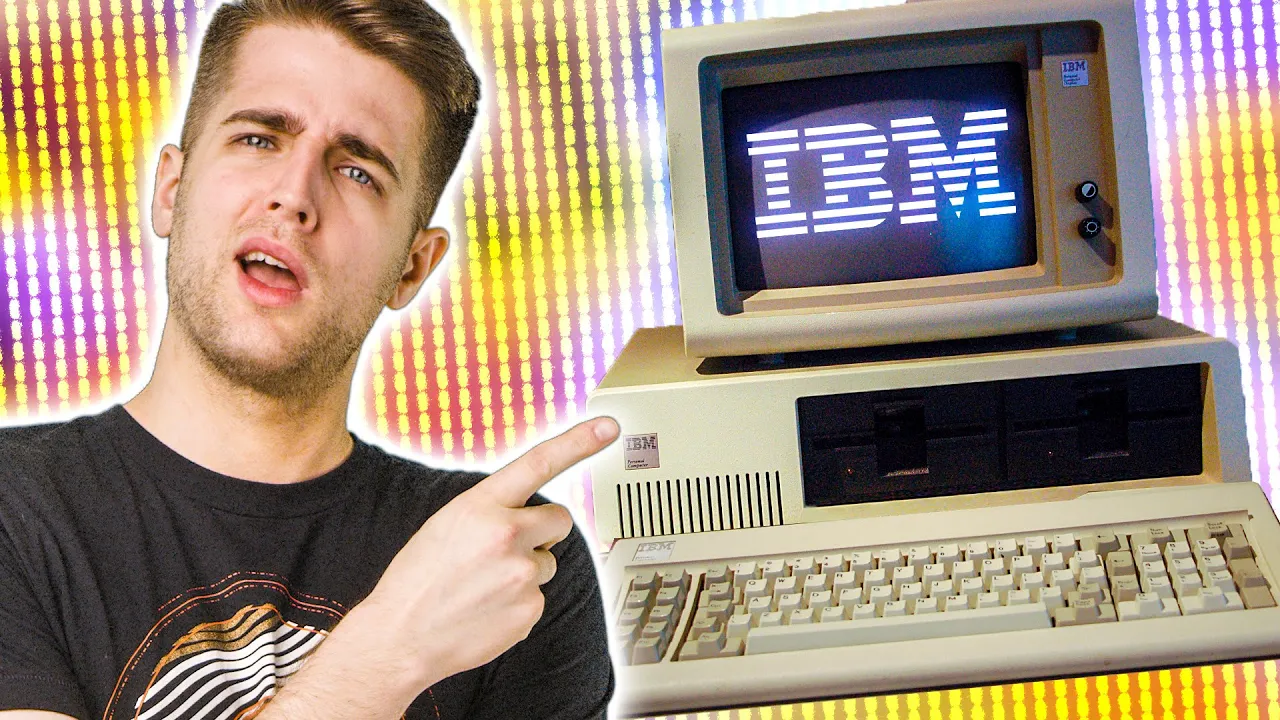
Why IBM GAVE UP on Making PCs
0 up · 0 down · 0 ratings
Promos
Get an unrestricted 30-day free trial of FreshBooks at freshbooks.com IBM invented the PC. Why did they stop making them? LTT Merch Store: lttstore.com Follow: twitter.com Leave a reply with your requests for future episodes, or tweet them here: twitter.com
IBM began as a maker of integrated personal computer components, controlling much of the stack from processors to storage. The video explains how IBM’s strategy of vertical integration initially gave it market dominance, but as costs and complexity grew, the company began to rely on off the shelf components like MS-DOS and Intel CPUs to keep up with demand. This openness allowed other firms to build IBM PC compatibles, which eroded IBM’s distinctive position and turned PCs into commodity goods. The shift toward open standards and licensing by rivals reduced IBM’s leverage, enabling competitors to offer cheaper, compatible systems and bypass IBM’s custom ecosystem. As the 1990s progressed, big blue faced razor-thin margins across divisions, and cloning plus direct-to-consumer sales from rivals like Dell intensified the pressure. IBM’s inability to innovate profitably in the PC space, combined with the costs of maintaining vertical integration, culminated in the sale of its PC division to Lenovo in 2005. The video closes by noting that IBM today focuses on analytics, cloud, and mainframes, while Lenovo still markets ThinkPads, keeping a nostalgic thread alive for IBM hardware enthusiasts. Overall, the narrative tracks how strategic choices, market dynamics, and the rise of open standards transformed IBM from PC pioneer to a company that no longer makes personal computers. The episode ties historical context to broader business lessons, illustrating how a market-driven shift toward specialization and openness can undermine vertically integrated leaders. It uses the IBM PC's origin story to show how a once-dominant architecture became a commodity, enabling fierce competition and new players. The conclusion underscores that IBM’s legacy endures in its software and enterprise services, while legacy hardware is carried forward by partners like Lenovo, preserving a lineage of iconic devices such as the ThinkPad. Viewers are left with a sense of nostalgia tempered by the reality that even industry pioneers can fall behind when they fail to adapt to changing cost structures and competitive paradigms.
Topics · technology history · computing · business strategy · hardware manufacturing · corporate history