History of the Mouse
0 up · 0 down · 0 ratings
Promos
Did you know the first computer mouse looked like a wooden box with pizza cutters attached to it? How did we get from that to the laser-based RGB mice we know and love today? Freshbooks message: Head over to freshbooks.com and don’t forget to enter Tech Quickie in the “How Did You Hear About Us” section when signing up for your free trial. Buy a Gaming Mouse On Amazon (PAID LINK): geni.us On Newegg (PAID LINK): geni.us Techquickie Merch Store: lttstore.com Techquickie Movie Poster: shop.crowdmade.com Follow: twitter.com Leave a reply with your requests for future episodes, or tweet them here: twitter.com Join the community: linustechtips.com Intro Theme: Showdown by F.O.O.L from Monstercat - Best of 2016 Video Link: youtube.com iTunes Download Link: itunes.apple.com Listen on Spotify: open.spotify.com
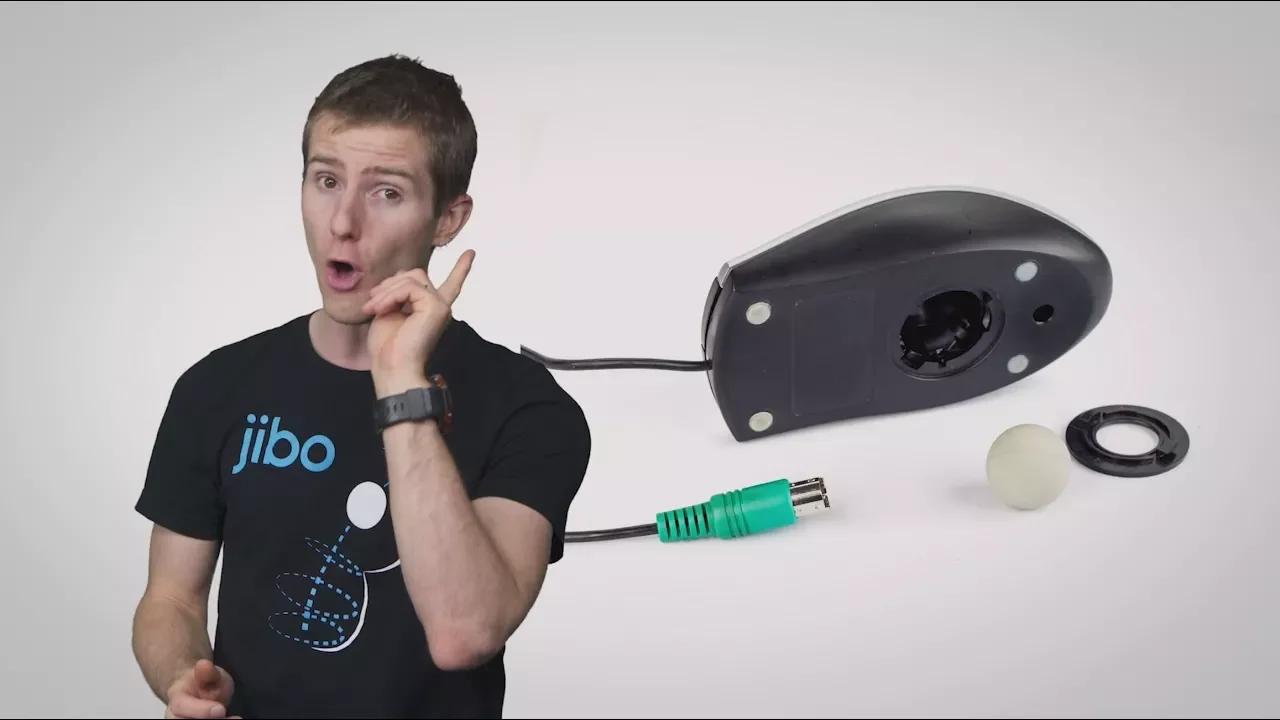
The History of the Mouse traces the evolution of computer pointing devices from early rudimentary concepts to modern high-tech peripherals. The first significant pivot happens with the trackball, developed in 1946 as part of a British Navy radar tracking project and later adapted by the Canadian Navy. These early trackball prototypes were crude, with a ball resting on spinning discs, and UK secrecy kept the concept from civilian development for a time. In 1964, Stanford researchers unveiled the first true computer mouse, which used two perpendicular pizza-cutter wheels for motion in orthogonal directions rather than free movement. The original device earned its name from the tail-like wire protruding from the back, and it worked with the precursor to the internet, the ARPANET-like research networks funded by DARPA and involved with the NLS interface. Xerox then popularized graphical user interfaces with the Alto in 1973, integrating real mouse support and paving the way for broader adoption, even as Xerox mainly targeted business users and did not achieve widespread home use. Apple later leveraged Xerox technology, striking a deal to license the concepts and bring the mouse to mainstream audiences with the original Macintosh in 1984, cementing the mouse as a household input device. The period between the mid-80s and mid-90s saw continued refinement, including the transition from the classic brick-like form to more ergonomic shapes, the emergence of laptop pointing devices such as trackpads, and persistent improvements in precision through live scroll wheels and early optical sensing concepts. By the late 1990s, optical mice began to supersede ball-based designs, with mass production finally reducing costs, and gaming-focused innovations like the Razer Boomslang appearing in 1999, followed by Logitech and Microsoft offerings featuring optical and later laser sensing. The narrative culminates with advances in sensor technology, onboard processing to support higher DPI and on-the-fly sensitivity adjustments, and the broader tech ecosystem’s shift toward USB, wireless, macro buttons, and even RGB lighting, all while acknowledging the enduring simplicity and ubiquity of the mouse in an era of touchscreens and voice interfaces.
Topics · technology · science · history