Why Some Pixels Are Better Than Others
0 up · 0 down · 0 ratings
Promos
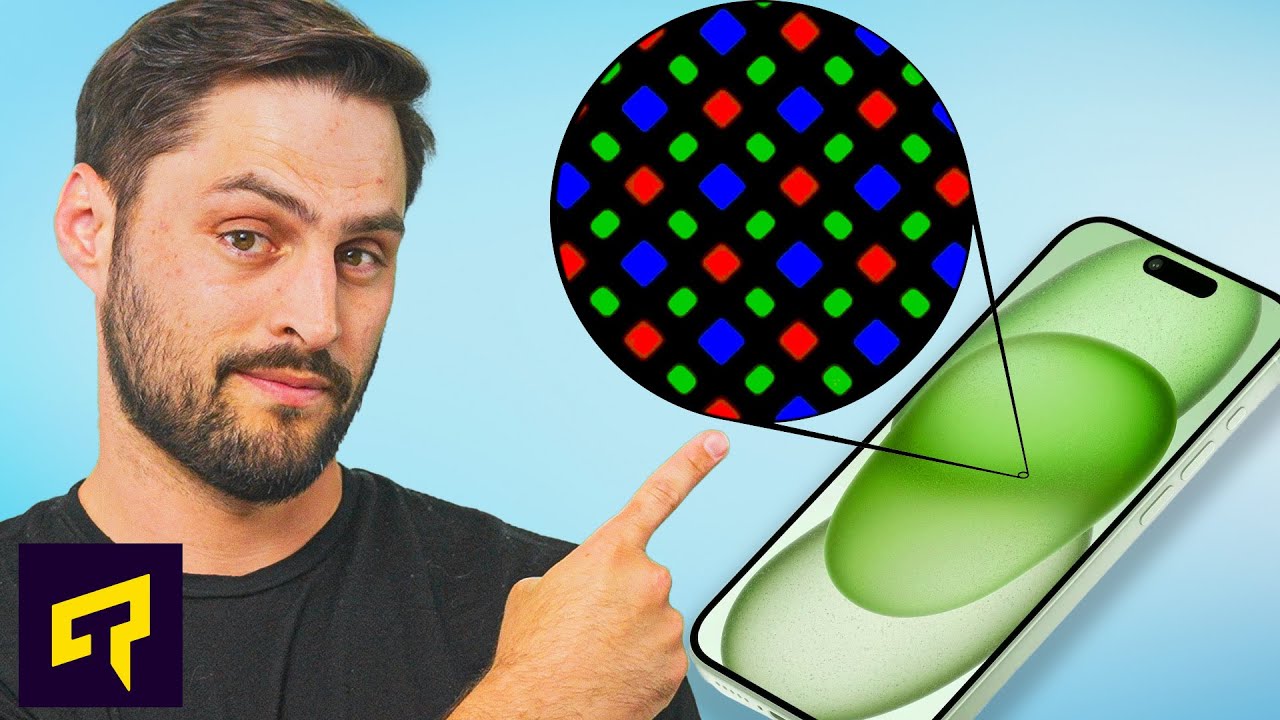
Check out DeleteMe here and use promo code Techquickie: joindeleteme.com Learn about some of the different kinds of subpixels used in modern displays. Leave a reply with your requests for future episodes. ► GET MERCH: lttstore.com ► GET A VPN: piavpn.com ► GET EXCLUSIVE CONTENT ON FLOATPLANE: lmg.gg ► SPONSORS, AFFILIATES, AND PARTNERS: lmg.gg
The video explains that the real differences between TVs and monitors go beyond the common labels LCD, OLED, and QLED, and lie in the tiny building blocks of the image: the subpixels. It starts by outlining why we use red, green, and blue subpixels to create colors, and how the purity of these primaries directly affects picture richness and color accuracy. It then contrasts CRTs with modern fixed-position subpixel layouts, noting how fixed geometries can improve perceived image quality and lifespan compared to older CRT phosphor dots. The discussion moves to LCDs, explaining how backlighting with a white broad-spectrum LED and color filters limits color accuracy, and how OLEDs face similar color-filter challenges despite deeper blacks and better contrast. The video then dives into quantum dot technologies, describing standard QLED backlit by blue LEDs with quantum dots, and the QD-OLED variant which combines OLED contrast with quantum dot color reproduction for brighter, more accurate colors. It emphasizes practical takeaways for buyers and viewers, such as the environments in which quantum dot displays shine (color accuracy and fast-moving content) and what to consider when evaluating displays for gaming or sports viewing. Throughout, the host ties technical details back to real-world decision making, helping viewers decipher the “alphabet soup” of display types and understand what features actually matter for color accuracy and longevity when shopping. The segment concludes with a nod to practical demonstrations and recommendations for deeper dives on related display technologies, inviting viewer input for future topics.
Topics · display-technology · consumer-electronics · science-education
Questions answered
- What drives color accuracy in modern displays compared to CRTs?
- Modern displays improve color accuracy through fixed subpixel layouts and better color filtering, reducing the mismatch that was common with CRT phosphor dots and the scanning electron beam method.