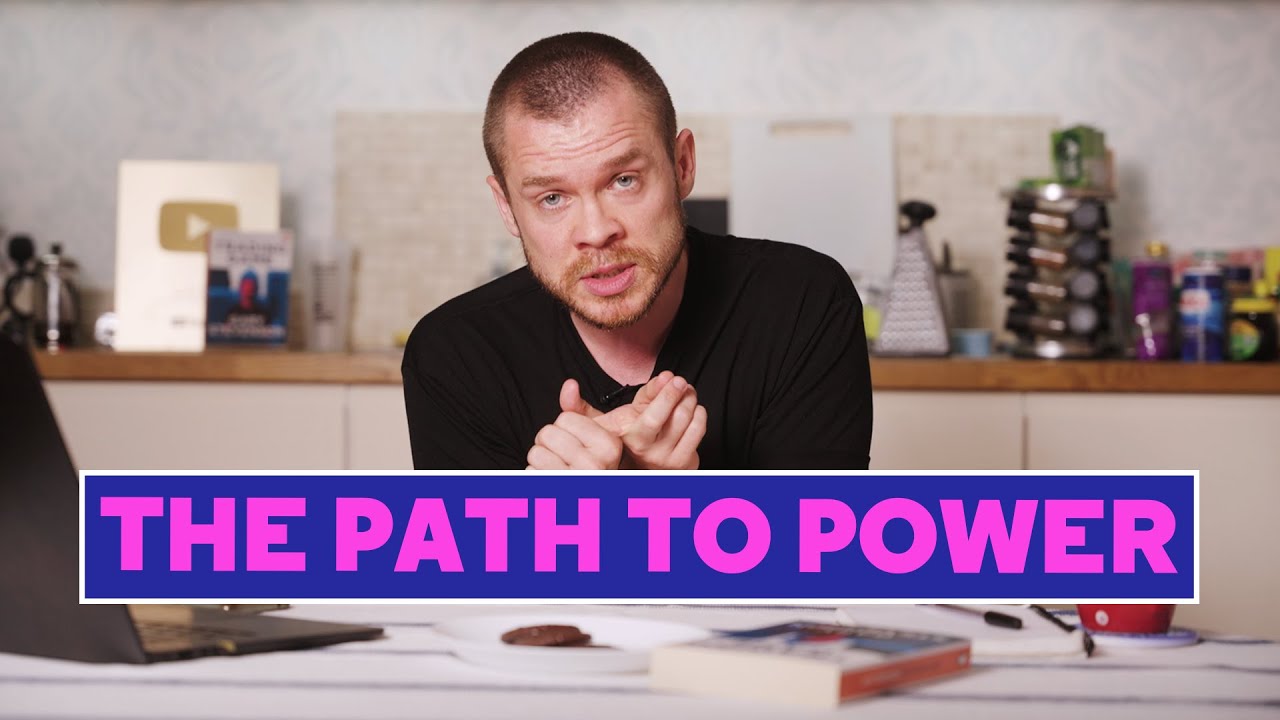
How to take over your country on Youtube
0 up · 0 down · 0 ratings
Promos
Alt right political movements have proven they take power using social media. Gary walks us through how we can use their rulebook to get what we want. 00:00 Introduction 02:26 Social media's power in politics 05:05 The WWF model 07:01 Economic inequality 08:08 Build a platform 17:49 The power of social content creation 26:12 Use the traditional media 30:36 You have to focus your message 35:00 Be disciplined 37:13 Challenges from elite institutions 41:27 Take a strategic approach 45:43 Balancing advocacy and content creation 48:20 What you can do – and what I'm planning JOIN OUR MAILING LIST – mailchi.mp SUPPORT US ON PATREON – patreon.com GET THE TRADING GAME – penguin.co.uk FOLLOW US ON OTHER CHANNELS SPOTIFY - open.spotify.com INSTAGRAM - @garyseconomics TIKTOK - @garyseconomics BLUESKY - bsky.app X - twitter.com FACEBOOK - @garyseconomics DISCORD - discord.gg WEBSITE - garyseconomics.org
Gary’s Economics presents a provocative blueprint for using social media, especially YouTube, to influence national political outcomes by focusing on wealth inequality and the perceived misalignment of traditional media and political institutions. The speaker argues that traditional parties and mainstream media have failed to adapt to the digital information landscape, creating a massive opportunity for online content creators to shape public opinion and drive policy agendas. He frames the rise of online political activism as a modern WWF style ecosystem, where audiences form loyalty to larger-than-life personalities and personas, then collaborate to amplify a common cause across platforms. The video traces the historical arc from the US alt-right’s successful use of social media to the perceived failure of mainstream media to engage ordinary people with accessible economic analysis. Throughout, Gary emphasizes clarity, accessibility, and a single focused message about taxing wealth and reducing inequality as the core strategic lever. He recounts his own journey from trader to educator, highlighting a consistent pattern: identify a missing piece in public understanding, deliver precise, forward-looking economic analysis, and build an audience before mainstream outlets fully recognize the opportunity. The narrative stresses the importance of a disciplined content cadence, leveraging traditional media when advantageous, and avoiding generalist platforms that dilute expertise. A recurring theme is the gap in reliable economic commentary for the general public, which Gary asserts he has bridged with a straightforward, actionable message: if wealth inequality continues to rise, living standards for the majority decline, and this will become a decisive political issue. The speaker also discusses the personal and logistical costs of running a high-profile channel, including privacy trade-offs and financial considerations, while praising peers who have built similar audiences in economics and politics. The broader aim articulated is not merely channel growth but instigating a political shift by shaping public opinion so that tax reforms on wealth become mainstream policy sooner rather than later. The video closes with a call to action for viewers in other countries to replicate the model, highlighting a decentralized approach to building political power through media, messaging discipline, and international collaboration.
Topics · politics · economics · media · activism · strategy · education
Questions answered
- What is the WWF model Gary references in the video, and how does it relate to online political influence?
- The WWF model is used as a metaphor for building a social, fan-like online ecosystem where diverse personalities engage audiences, create a sense of community, and amplify a shared political message through social media channels.
- What core policy focus does Gary advocate to reduce wealth inequality?
- Gary focuses on taxing wealth held by the super-rich and reforming taxation to ensure higher tax contributions from the wealthiest, arguing this will raise government revenue and improve living standards for the majority.
- How does Gary suggest individuals can participate in this strategy if they cannot run their own channel?
- Individuals can amplify the core message within their networks, support creators who discuss inequality, and help build a broader public discourse by sharing accessible, data-driven economic content.