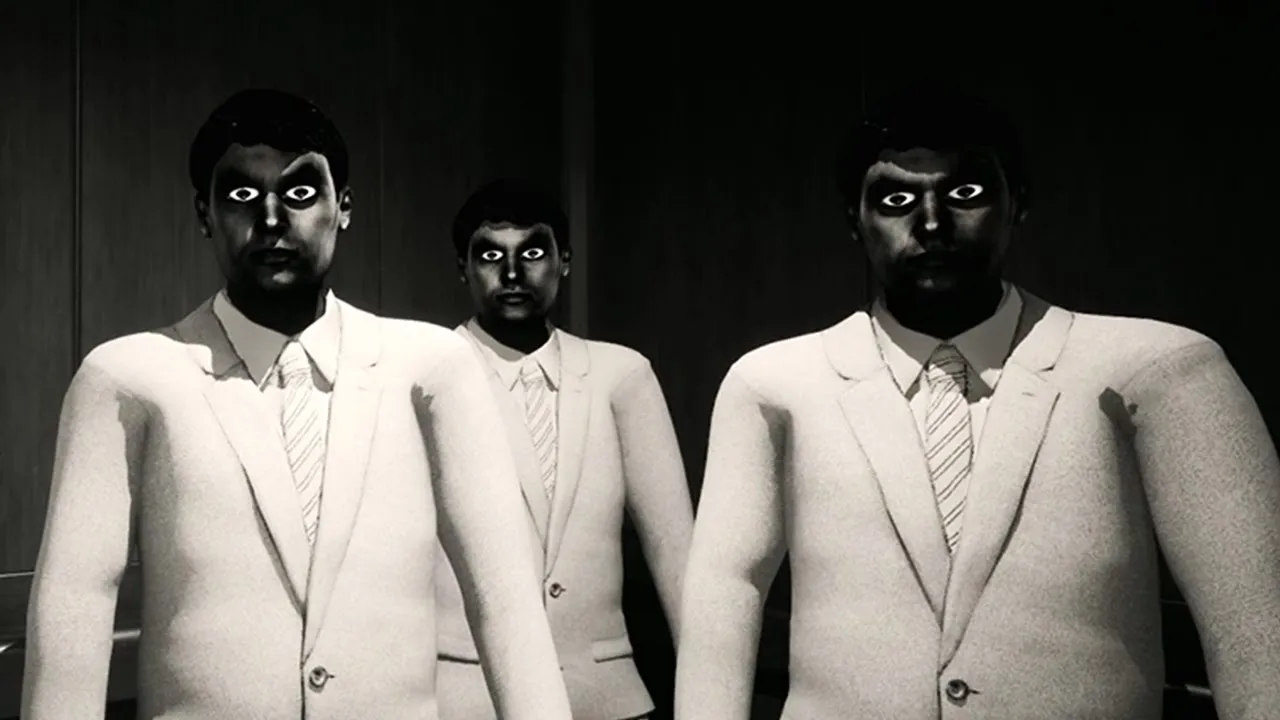
Mijn nachtmerrie op kantoor
0 up · 0 down · 0 ratings
Advisory
• Vorige aflevering: youtu.be • Volgende video: youtu.be -------------------------------------------------------------------------------- • Zakelijk: gamemeneer @bombersandlemonade.com -------------------------------------------------------------------------------- - Bedankt voor het abonneren: bit.ly - Livestreams: twitch.tv (Elke dinsdag & vrijdag om 20:00 een livestream) Instagram: @GameMeneer TikTok: @gamemeneer Twitter: twitter.com Facebook: @GameMeneer -------------------------------------------------------------------------------- Alle afspeellijsten: youtube.com -------------------------------------------------------------------------------- Dit is een video van GameMeneer. Mijn naam is Don en ik maak onder andere entertainment & gaming video's. Bijna dagelijks kan je video's van mij verwachten in zoetsappige 1080 HD kwaliteit. Ben je nieuw hier en wil je op de hoogte blijven van alles wat ik doe, dan kan je op de Abonneer-knop drukken. Muziek door: epidemicsound.com -------------------------------------------------------------------------------- Wettelijk gelul: Dit kanaal staat onder toezicht van het Commissariaat voor de Media.
Mijn nachtmerrie op kantoor unfolds as a surreal, horror-tinged playthrough of a dystopian office setting, blending game mechanics with a chilling narrative about corporate control and surveillance. The opening establishes a formal corporate culture where employees must wear black suits, work excessive hours, and report peers. The narrator quickly realizes the world is strange, with odd emails about trial periods, talent management, and escalating penalties for lateness. As the protagonist moves through different floors of a high rise, the environment cycles between mundane office life and uncanny interruptions, revealing a larger conspiracy centered on tones, branding, and a shadowy observer. The first 5 minutes establish the tone, introduce the protagonist’s late arrival, and set up the persistent pressure to conform and perform, foreshadowing a deeper mystery about power and control. In the next segment, roughly 5 to 10 minutes in, the player encounters a series of escalating tasks, meeting reminders, and a mysterious “tone review” process conducted by executives. The protagonist navigates through cubicles, meeting rooms, and a gallery of logos while pieces of a larger plot slowly assemble. The dialogue and on-screen notes hint at an autocratic corporate culture where innovation is manipulated by branding and surveillance. The tension rises as an employee named Parlov becomes a focal point of controversy, and the player is drawn into a covert struggle involving a hacking tool and hidden messages. The atmosphere shifts from bureaucratic routine to a claustrophobic hunt for truth as the protagonist attempts to piece together what the “tone” really is and who benefits from its control. Around the 10 to 15 minute mark, the story deepens with a covert mission to retrieve a floppy disk containing a presentation, along with cryptic messages about surveillance, rebellion, and a mysterious gallery that hides logos and deviant symbols. The player must manage limited access, time pressure, and a flickering environment that mirrors the protagonist’s mental state. A sense of danger intensifies as viewers are introduced to the Observer, a figure who watches all activity through cameras, and as Parlov allegedly incites rebellion within the company. The tone becomes more conspiratorial, and the protagonist realizes that personal advancement may come at the cost of personal safety. From 15 to 20 minutes, the plot reveals a procedural, almost satirical, corporate culture that deflects blame, enforces compliance, and rewards perceived creativity with hollow ultimatums. The protagonist attends a staged presentation in which new corporate tones are touted as breakthroughs, only to witness a sudden disruption described as a flicker that forces everyone back to their desks. The character starts to question whether the tone and branding are a real product or a mechanism of control. A sense of despair and paranoia grows as the protagonist contemplates escape or resistance, while the office environment becomes increasingly hostile and labyrinthine. Between 20 to 25 minutes, the tension peaks with a forced choice to either turn away from the surveillance state or ally with seemingly unreliable figures. The player encounters a hacker’s device and must decipher a code to bypass security, all while the floor layout shifts and new rooms appear, including a gallery that reshapes identity through logos and corporate props. The protagonist faces a moral dilemma about loyalty to the company versus personal freedom, and the narrative implies that even a “promotion” or a bright future within the organization may be a trap. The environment’s design emphasizes disorientation as a metaphor for the internal conflict about conformity and autonomy. In the final act, roughly 25 to 30 minutes, the protagonist confronts the core mystery: there is more to the organization than black and white suits, and trust must be earned in a system designed to mislead. The hacking sequence reaches a climax, and the protagonist considers exposing the truth, yet the consequences loom large. The story hints at a broader conspiracy and suggests that genuine change requires defying a sanitized corporate narrative. The ending tracks the balance between resistance and submission, leaving the viewer with questions about control, knowledge, and whether true autonomy can exist within a highly managed environment. Overall, the video blends horror, satirical corporate commentary, and puzzle-solving gameplay to explore themes of surveillance, conformity, and personal agency. The pacing compounds tension through escalating tasks, eerie atmosphere, and sudden narrative revelations, while the embedded narrative about branding and tone serves as a critique of corporate mechanisms that reward appearances over authenticity. Viewers are invited to reflect on how our own workplaces manage change, information, and power, and many will take away a sense of unsettling curiosity about what may lie beneath the surface of modern offices.
Topics · gaming · indie games · horror · narrative video game · let's play
Questions answered
- What is the central theme of Mijn nachtmerrie op kantoor?
- The central theme is a critique of corporate control and surveillance, explored through a horror-filled office setting and a mystery surrounding tones, promotions, and branding.
- Why does the protagonist retrieve a floppy disk?
- The floppy disk is key to uncovering a presentation and hidden information within the surveillance-heavy corporate environment.
- Who is the Observer and what role does he play?
- The Observer is a recurring figure who monitors the office and represents the omnipresent surveillance that drives the plot.