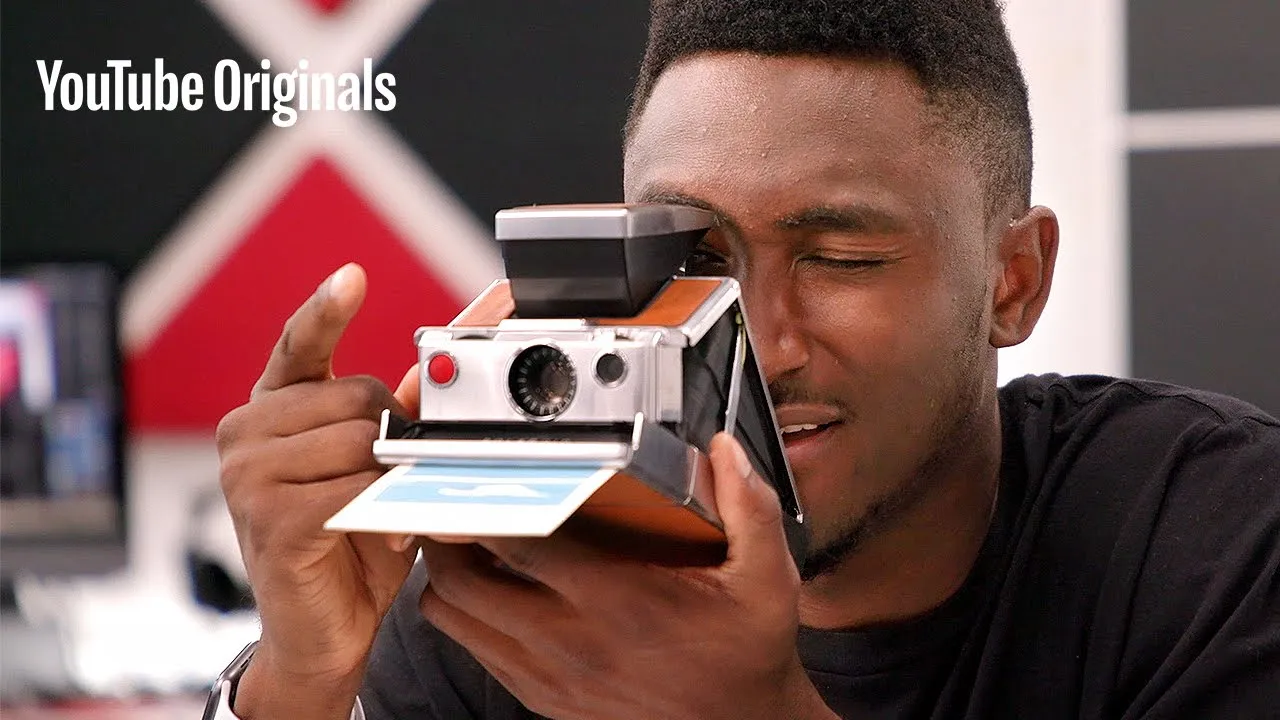
RETRO TECH: POLAROID
0 up · 0 down · 0 ratings
Description
Way before cell phone cameras, we took selfies with Polaroids. I explore how the first Polaroid camera, the Polaroid SX-70, turned us all into amateur photographers and paved the way for our social media-obsessed culture. Fellow YouTube creator and model Karlie Kloss teams up with me to make photo filters the retro way — with bleach. And Peter Mckinnon stops by to play “Dope or Nope.” 0:00 The Polaroid 1:01 Unboxing A Polaroid 3:28 Talking Polaroids 7:12 Shooting With PV 10:21 History of Polaroid 11:49 Dope or Nope 16:35 Shake It 18:48 Karlie Kloss 22:57 Lasting Tech Legacy
Retro Tech: Polaroid traces the arc of instant photography from its invention to its cultural legacy. The host begins by unboxing a Polaroid SX-70, remarking on its robust metal body and leather finish, while describing how the device works as a combined camera and printer. He demonstrates the process of loading film, taking pictures, and watching images develop over 10 to 15 minutes, noting the unusual hands-on experience and the risks of jamming a vintage device. The segment expands into a mini history lesson about Edwin Land and the invention of instant film, highlighting how the SX-70 enabled a new kind of immediacy in photography and created a demand for a new film format called integral film. Viewers are treated to an exploration of the user experience, including manual controls, exposure challenges, and the social dynamics of taking photos in New York City with strangers who become instant subjects of conversation. The show then pivots to a playful dope or nope segment featuring other Polaroid designs released across the 1980s and 1970s, such as the 1995 Talking Camera and the JobPro, evaluating their rugged aesthetics and practical quirks. A hands-on experiment with home-made photo modification,using heat and household chemicals like bleach and lemon juice,reveals how alternative development techniques can alter Polaroid outputs, emphasizing the tactile, experimental charm of analog photography. Karlie Kloss joins for a collaborative segment that uses heat and chemical exposures to disrupt the film chemistry, producing surprising results and reinforcing the idea that Polaroid photography is as much about process and surprise as it is about final images. The video closes by reflecting on the lasting legacy of Polaroid in shaping how we capture, share, and gift images, drawing a line from the earliest instant photos to today’s social media culture where filters and digital editing echo the original analog magic. The overarching message is that instant photography laid a foundation for how visual memory is created and shared, a legacy that persists alongside modern digital imaging.
Topics · photography · technology · history · retro tech · media culture · arts & entertainment · cultural legacy
Questions answered
- What is the Polaroid SX-70 and why was it significant in photography history?
- The Polaroid SX-70 is a collapsible instant camera that paired a camera with integral instant film, enabling images to develop rapidly inside a single envelope. It represented a quantum leap in instant photography by combining the camera, film, and developing chemistry, allowing people to see and share photos moments after taking them.
- How does integral Polaroid film work and how long does development take?
- Integral film contains positive and negative layers with developing chemistry in a sandwich inside a Mylar cover. When you press the exposure, rollers mix and coat the film, triggering development that typically takes about 10 to 15 minutes to appear.
- What were some of the other Polaroid designs discussed and how were they evaluated?
- The video explores several designs like the 1995 Polaroid 600 Talking Camera and the JobPro from 1985, evaluating them for rugged design, novelty, and practicality. The Talking Camera, for example, offers pre-recorded speech prompts, while the JobPro is tested for durability with drop tests, highlighting how design priorities varied across eras.
- Why do people still love Polaroid photography despite digital cameras?
- Polaroid photography emphasizes tangibility, instant feedback, and social interaction,pictures you can hand to someone as a physical object. The process is performative and tactile, creating unexpected outcomes and a sense of shared moment that digital photos often lack.
- What is the lasting legacy of Polaroid in today’s photography landscape?
- Polaroid helped establish the concept of instant images and a culture around quick sharing and physical mementos. Its influence lives on in smartphone photography, social media formats, and even today’s nostalgic filters, while its direct, hands-on approach to image making remains a benchmark for immediacy and social engagement.