Amazon Fire Phone: Explained!
0 up · 0 down · 0 ratings
Channels and socials
The Amazon Fire Phone and what exactly it does. Plus a tiny rant. Amazon Fire Phone: amzn.to Verge hands-on video: youtu.be Video Gear I use: amzn.com Intro/Outro Track: Deadmau5 - Slow Down, Start Over ~ twitter.com google.com @MarquesBrownlee @MKBHD @MKBHD
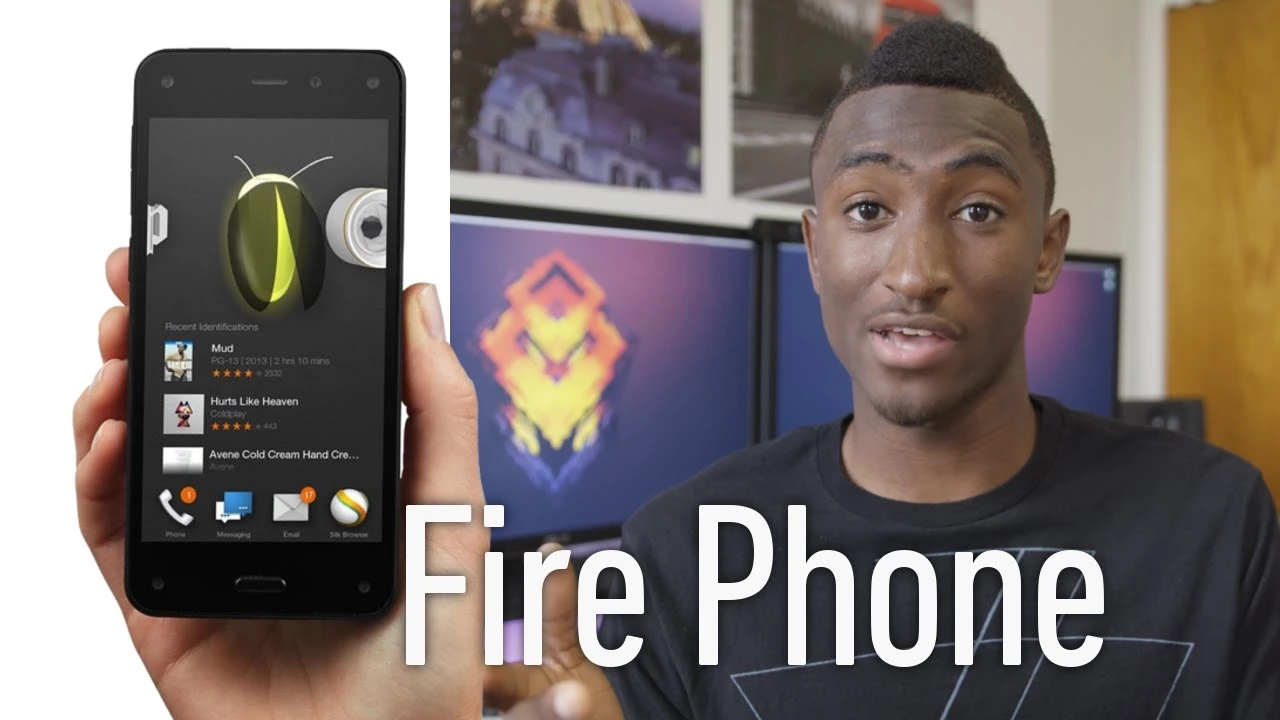
The video opens with Marques Brownlee introducing Amazon's Fire Phone and highlighting the buzz it generated across major tech outlets. He explains that the device runs a custom Fire OS built on Android and centers its experience around two marquee features: Dynamic Perspective and Firefly. Dynamic Perspective uses four corner cameras to track your face and, when combined with the phone's accelerometer and gyroscope, tilts and shifts onscreen elements to create a more immersive feel. Brownlee demonstrates how tilting the phone can move the display, and notes that this feature is integrated with a small set of apps and games as well as general navigation gestures, including scrolling without touching the screen. He also references a Verge hands-on video to see the feature in action more broadly, acknowledging that opinions will vary on whether this is a gimmick or a genuine leap forward. Beyond Dynamic Perspective, Firefly is introduced as a dedicated button-triggered feature that uses the camera and microphones to recognize objects, music, and scenes and instantly surface Amazon purchasing links, a capability Amazon hopes will drive sales. Brownlee places these two features at the core of Amazon’s value proposition, while outlining additional elements such as Mayday live support, a notification tray, live weather, and Amazon Prime access, all tailored to a phone built exclusively for AT&T. The discussion then shifts to critical analysis of the Fire Phone’s economics and hardware choices. Brownlee argues that, aside from the two standout features, the phone largely reuses existing concepts, Shazam and Google Goggles style object/scene recognition, plus an app store that is limited to Amazon’s ecosystem due to the absence of Google Play and iOS store access. He emphasizes the extensive work required for Amazon to build a phone ecosystem from scratch, including a new Fire OS, a custom interface, app development, carrier exclusivity, and manufacturing, all at a steep $650 off-contract price. The conclusion weighs the practicality of paying a premium for a device that may not deliver comparable app breadth or long-term value, suggesting that a standalone app approach might have been more sensible. Brownlee ultimately advises viewers not to buy the Fire Phone, framing the video as a candid exploration for people curious about the device while acknowledging Amazon’s ambition and the risk involved. The video ends with a call to share the analysis and a sign-off that hints at more tech coverage to come.
Topics · technology · mobile devices · consumer electronics
Questions answered
- What is Dynamic Perspective and how does it work on the Fire Phone?
- Dynamic Perspective uses four corner cameras to track your face and, with the phone's accelerometer and gyroscope, shifts the onscreen content to create depth and immersion, allowing tilted navigation and limited motion-based interactions in select apps and games.
- What does Firefly do and how is it used on the Fire Phone?
- Firefly is a dedicated button feature that activates the camera and microphones to recognize objects, music, or scenes and surface Amazon purchase links for immediate shopping.
- Is the Fire Phone a good value given its price and ecosystem?
- The reviewer argues that the value is limited by the lack of access to Google Play and iOS stores, the high off-contract price, and the need to build a full ecosystem around a new phone, making it an unlikely buy for most consumers.