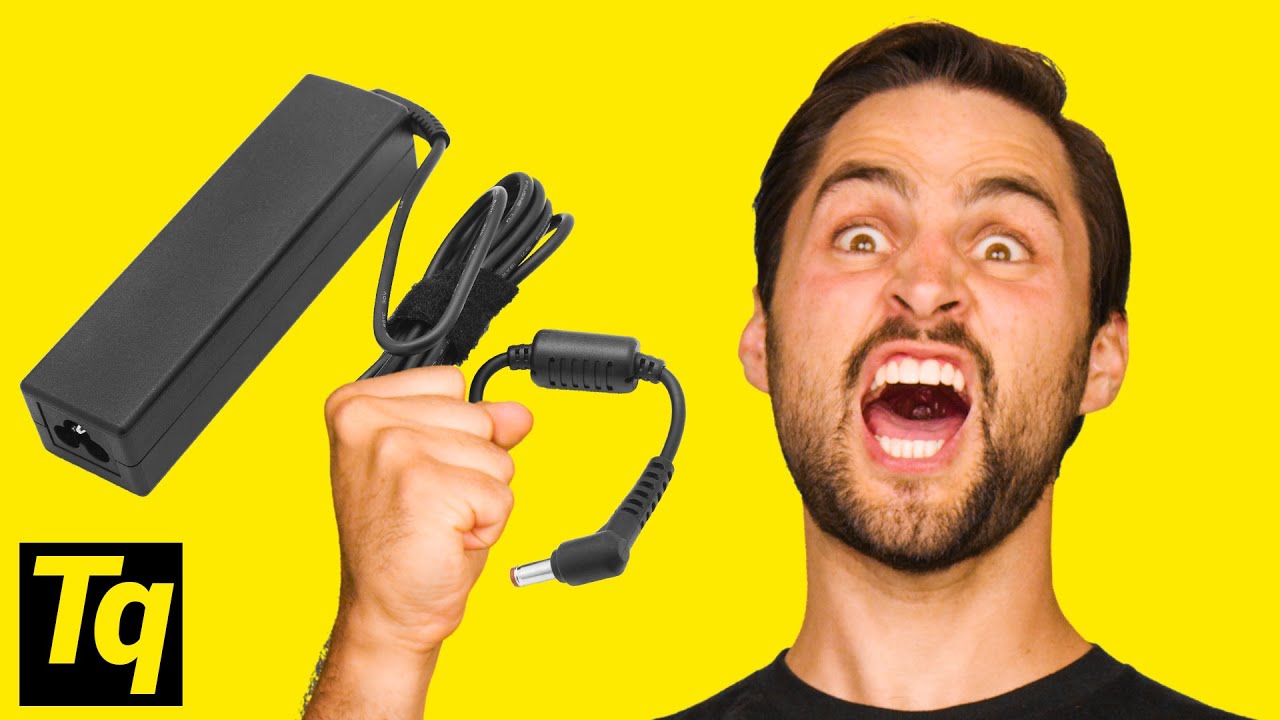
Chargers: The Most ANNOYING Thing About Laptops
0 up · 0 down · 0 ratings
Promos
Learn through problem solving, and the first 200 people can save 20% today on Brilliant at brilliant.org Why haven't laptop chargers been standardized like phone chargers? Leave a reply with your requests for future episodes, or tweet them here: twitter.com ►GET MERCH: lttstore.com ►SUPPORT US ON FLOATPLANE: floatplane.com ►LTX EXPO: ltxexpo.com AFFILIATES & REFERRALS --------------------------------------------------- ►Affiliates, Sponsors & Referrals: lmg.gg ►Private Internet Access VPN: lmg.gg ►MK Keyboards: lmg.gg ►Nerd or Die Stream Overlays: lmg.gg ►NEEDforSEAT Gaming Chairs: lmg.gg ►Displate Metal Prints: lmg.gg ►Epic Games Store (LINUSMEDIAGROUP): lmg.gg ►Amazon Prime: lmg.gg ►Audible Free Trial: lmg.gg ►Our Gear on Amazon: geni.us FOLLOW US ELSEWHERE --------------------------------------------------- Twitter: twitter.com Facebook: @LinusTech Instagram: @linustech Twitch: twitch.tv FOLLOW OUR OTHER CHANNELS --------------------------------------------------- Linus Tech Tips: lmg.gg TechLinked: lmg.gg ShortCircuit: lmg.gg LMG Clips: lmg.gg Channel Super Fun: lmg.gg Carpool Critics: lmg.gg
The video explains why laptop chargers are not standardized in the same way as phone chargers. It emphasizes that laptops require a wide range of power, from lightweight models near 40 watts to gaming laptops that demand nearly 500 watts, which makes a single universal charger impractical. The host notes that underpowered third-party chargers can throttle performance, drain the battery, or cause other reliability issues, which motivates manufacturers to keep control over the charging solution. It is also highlighted that different brands use different connectors or tips, limiting cross-compatibility and making third-party replacements less accessible. While proprietary approaches like Apple’s MagSafe are discussed as potentially safer, the overarching trend points toward some USB-C driven standardization for connectors, even if the brick power adapters remain varied. The video concludes with practical advice to hold onto your existing charger, acknowledging that bulky bricks are easier to identify and track than tiny phone chargers, and teases continued exploration of charging standards in future episodes.
Topics · technology · laptops · consumerelectronics · standards
Questions answered
- Why haven’t laptop chargers been standardized like phone chargers?
- Laptop chargers vary widely in power needs from about 40W to nearly 500W, making a single universal charger impractical. Different brands also use different connectors, and manufacturers often want control over the charging solution to protect performance and product differentiation.
- What potential developments could lead to more standardization in laptop charging?
- The video suggests USB-C based power delivery could enable more standardization at the connector level, and mentions that even if bricks remain varied, the port interface may become more uniform, reducing compatibility issues over time.