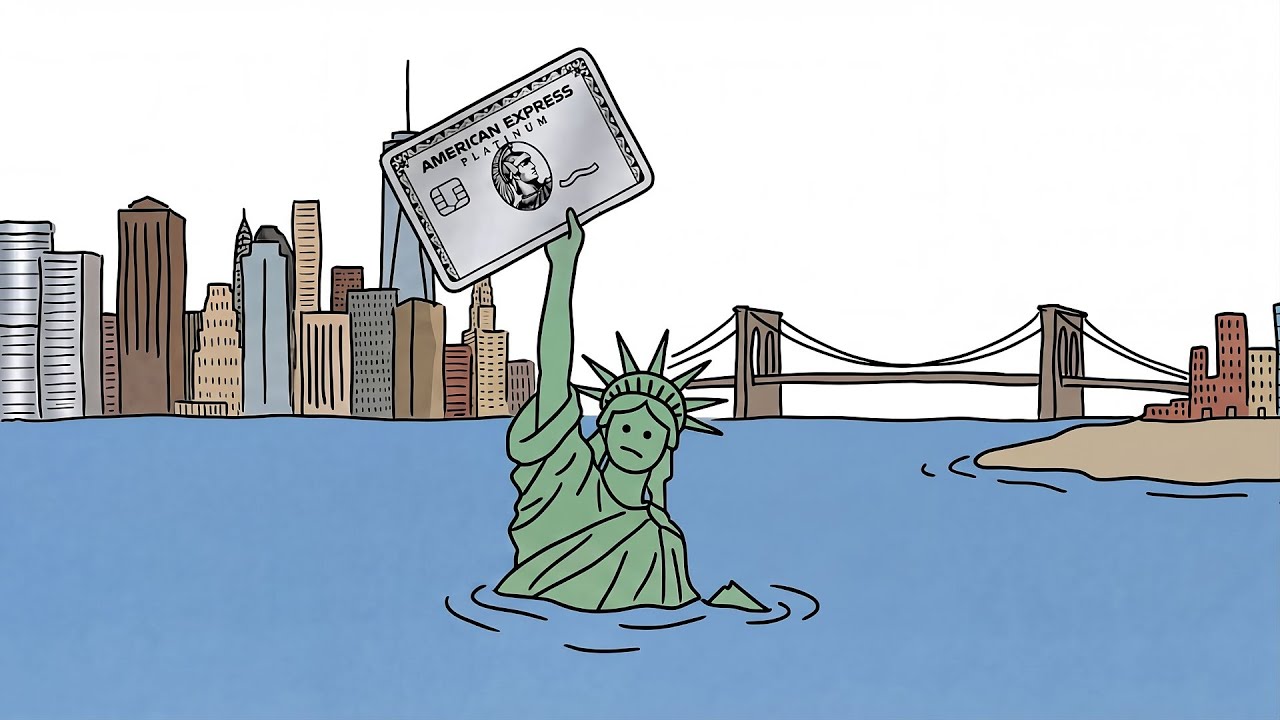
America Is Quietly Drowning in Debt
0 up · 0 down · 0 ratings
Channels and socials
The United States now has more debt than any country in human history. But on the surface, the U.S. economy looks strong? Why? Because a full-blown debt and credit crisis is quietly taking shape. The national debt just blew past $38 trillion, and American households are now carrying $18.6 trillion in debt. The United States faces a debt crisis at the national and household level. In this video, I break down: • How the United States ended up here • Why the United States is currently in a debt and credit crisis • Where America's debt actually comes from • What's next and why it matters Complex topics, simple breakdowns. Join my free weekly newsletter to stay ahead of what's actually happening in markets: casualmarkets.co #finance #economics #stocks #debt #credit Disclaimer: The information provided in this video and on this channel (collectively, the “Content”) is for informational, educational, and entertainment purposes only and does not constitute investment, financial, legal, or tax advice, nor a recommendation to buy, sell, or hold any security or investment strategy. Investing involves risk and you must do your own research. Nothing in the Content should be interpreted as creating a fiduciary relationship, financial advisory relationship, or client relationship of any kind. The host, the channel, and all affiliated entities expressly disclaim any and all liability for any direct or consequential loss or damage arising directly or indirectly from the use of, reliance upon, or interpretation of the Content. By viewing or interacting with the Content, you acknowledge and agree to these terms and release the host and all related parties from any and all claims related to your reliance on the information provided.
At the start, the host contrasts a strong headline picture with an emerging credit problem. The United States economy appears upbeat, with the stock market described as at an all time high and the Federal Reserve’s inflation strategy framed as seemingly working. But the narrative shifts to “trouble brewing” underneath, including a credit crisis the host says is not getting mainstream attention. The setup also points to everyday distractions while the government is portrayed as increasing spending and borrowing faster than underlying capacity. The core claim is that what looks like growth is being fueled by consumer debt rather than sustainable economic strength.
Viewers repeatedly praised the video’s structure, editing, and clarity, calling it well presented, underrated, and informative. A large share of comments expressed anger or alarm about the debt system, describing it as corrupt or broken, and reacting strongly to the credit card interest rate being above 20 percent. Many viewers framed the situation as a broad societal decline, with pessimism about the future getting worse, and some argued that unemployment is not truly low. Several commenters added related context or critiques, including skepticism about the definition of “good” debt such as housing debt, discussion of student loan delinquency increases tied to payment resumption after Covid pauses, and debate about BNPL reporting. Humor also appeared in reactions to recurring jokes or imagery, with some referencing “steak nuggets” and finding the framing memorable.
Topics · finance · economics · debt markets · markets · stock market · business
Questions answered
- What does the host say about the United States national debt and the interest cost to service it?
- The host states the national debt has crossed $38 trillion and that the United States spends about $1 trillion per year on interest servicing that debt.
- How does the host break down household debt into housing debt and non housing debt categories?
- The host says the New York Fed categorizes total household debt into two buckets: housing debt and non housing debt.
- What does the host say about mortgage balances and home equity revolving account balances in the United States?
- The host states total mortgage balances have reached a record $13 trillion, while home equity line of credit revolving balances are roughly $411 billion and have increased more than 30 percent since 2021.
- What does the host say about student loan balances and student loan delinquency trends?
- The host says total student loan balances are about $1.7 trillion and that serious delinquency rose from less than 1 percent of borrowers to above 9 percent.
- What does the host claim about credit card debt levels and the interest rates charged?
- The host says U.S. credit card balances have crossed $1 trillion, rose by more than half since 2020, and that the average credit card interest rate is more than 21 percent.