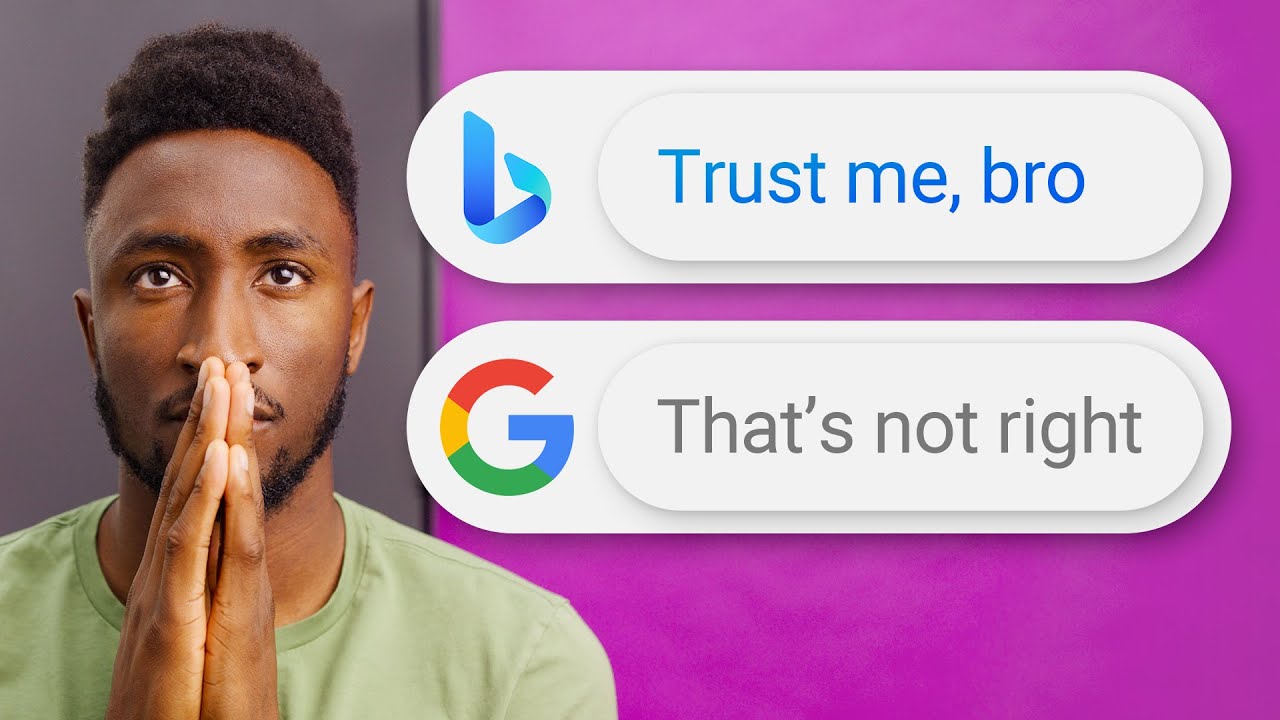
The Biggest Problem with AI!
0 up · 0 down · 0 ratings
Promos
AI and Bing and ChatGPT are out of control... this couldn't have gone any other way The WAN show: youtube.com Unhinged Bing stories (thread): twitter.com MKBHD Merch: shop.mkbhd.com Tech I'm using right now: amazon.com Playlist of MKBHD Intro music: goo.gl ~ twitter.com @MKBHD @MKBHD
The video surveys the rapid rise of artificial intelligence and the surprisingly fundamental problem it introduces: AI systems generate outputs that can feel convincing but are not reliably truthful. The host outlines how these chatbots, exemplified by Bing and ChatGPT, synthesize information from the web rather than truly understanding content, which leads to confident but sometimes incorrect answers. He contrasts the potential benefits of AI as a web co-pilot with the risks of misinformation, noting that fact checking is not intrinsic to how these models operate. The discussion anchors these concerns in real-world demonstrations, such as a Bing chatbot estimating how many LTT backpacks fit in a Tesla trunk, which wowed viewers but raised questions about reliability and applicability. He emphasizes the need for human collaboration, urging users to treat AI outputs as starting points for further research rather than final judgments. The narrative moves from awe at the speed of adoption to a sober call for cautious, informed use in critical tasks like travel planning, medical decisions, or shopping. The overarching message is that we are at the dawn of a new AI era, where thoughtful deployment and clear boundaries will determine whether the technology helps or harms.
Topics · technology · artificial intelligence · internet · media_technology
Questions answered
- What is the main risk of conversational AI in search today?
- The main risk is that the AI generates confident but sometimes incorrect information because it does not truly understand or verify truth, making fact checking essential.
- How should AI tools be used according to the video?
- AI tools should be used as a collaboration with human judgment, providing inspiration and initial guidance while users conduct their own research and verify details.