Wait... Smart Glasses are Suddenly Good?
0 up · 0 down · 0 ratings
Promos
Trying the Meta Rayban Display glasses Trying the Orion prototypes: youtu.be MKBHD Merch: shop.mkbhd.com Playlist of MKBHD Intro music: goo.gl ~ twitter.com @MKBHD @MKBHD
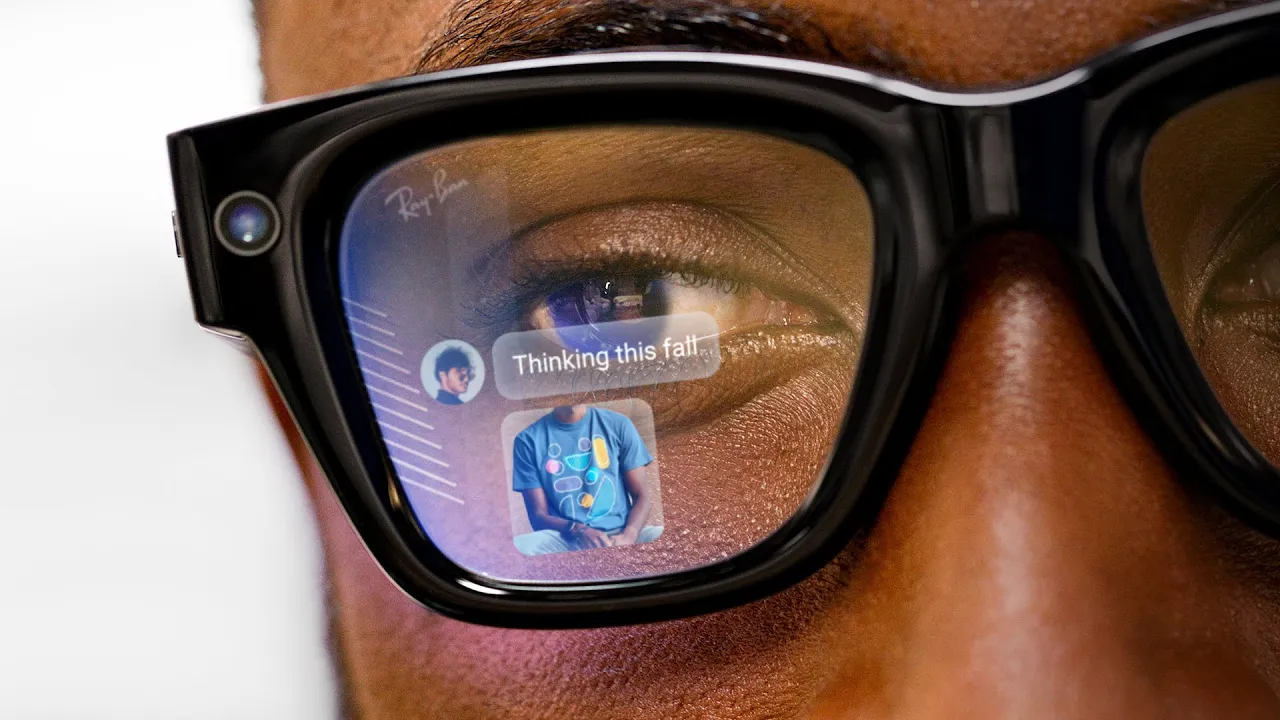
The video provides an in-depth, hands-on look at the Meta Ray-Ban Display smart glasses, contrasting them with the earlier Orion prototype and explaining what makes the newer product feel like a real, purchasable device. The reviewer highlights the form factor, noting the monocular display that sits in the upper right portion of the wearer's vision, and emphasizes the sharp color, high brightness, and the practical improvements in daytime visibility, including 5000 nits of brightness. He also covers the all-in-one design where everything is self-contained in the glasses, eliminating the need for a separate puck, and praises the refined neural band wrist control system which enables gesture-based UI navigation, scrolling, selecting, and even volume control with subtle air movements. The discussion moves beyond hardware to use cases, from on-glass UI and camera viewfinder to maps, subtitling, real-time translation, and video calls, arguing that these features collectively move smart glasses closer to a usable everyday device. The presenter weighs the price of 800 USD and the privacy considerations inherent to Meta products, acknowledging the strong potential but also recognizing that the ecosystem remains tightly controlled with first-party apps and limited third-party software at launch. Overall, the review expresses optimism about the rapid progress and anticipates a broader wave of content and competition in the near future, while noting the current keynote missteps that contrasted with the device’s potential. The closing reflections invite viewers to imagine a near-term shift towards a post-smartphone world, while also considering social dynamics around eye-level tech and real-world interactions.
Topics · technology · wearables · augmented-reality · consumer-electronics · privacy
Questions answered
- What is the core difference between the Meta Ray-Ban Display and the Orion prototype?
- The Ray-Ban Display uses a self-contained monocular 42 pixels per degree display in one eye with a wrist neural band for gestures, offering a real product with a built-in battery, unlike the Orion prototype which relied on external hardware and a separate computer puck.
- What are the main use cases highlighted for the glasses?
- Key use cases include a visible UI for hands-free interaction, a camera viewfinder for reviewing what you capture, on-glass messaging and calls, maps with head-tracking directions, live subtitling and translation, and real-time captioning from the wearer’s environment.
- What are the main caveats or drawbacks discussed?
- The main downsides noted are privacy concerns due to data collection by Meta, the current first-party app ecosystem with no broad app store at launch, and the ongoing social considerations of wearing glasses that can glimpse at the wearer's screen.