CPU Cooling Options - Stock, Air, Water - Everything you Need to Know as Fast As Possible
0 up · 0 down · 0 ratings
Description
Not sure about upgrading your computer's cooling? Learn what you need to know about liquid cooling and air cooling upgrade options in just a few minutes! FORUM LINK: linustechtips.com
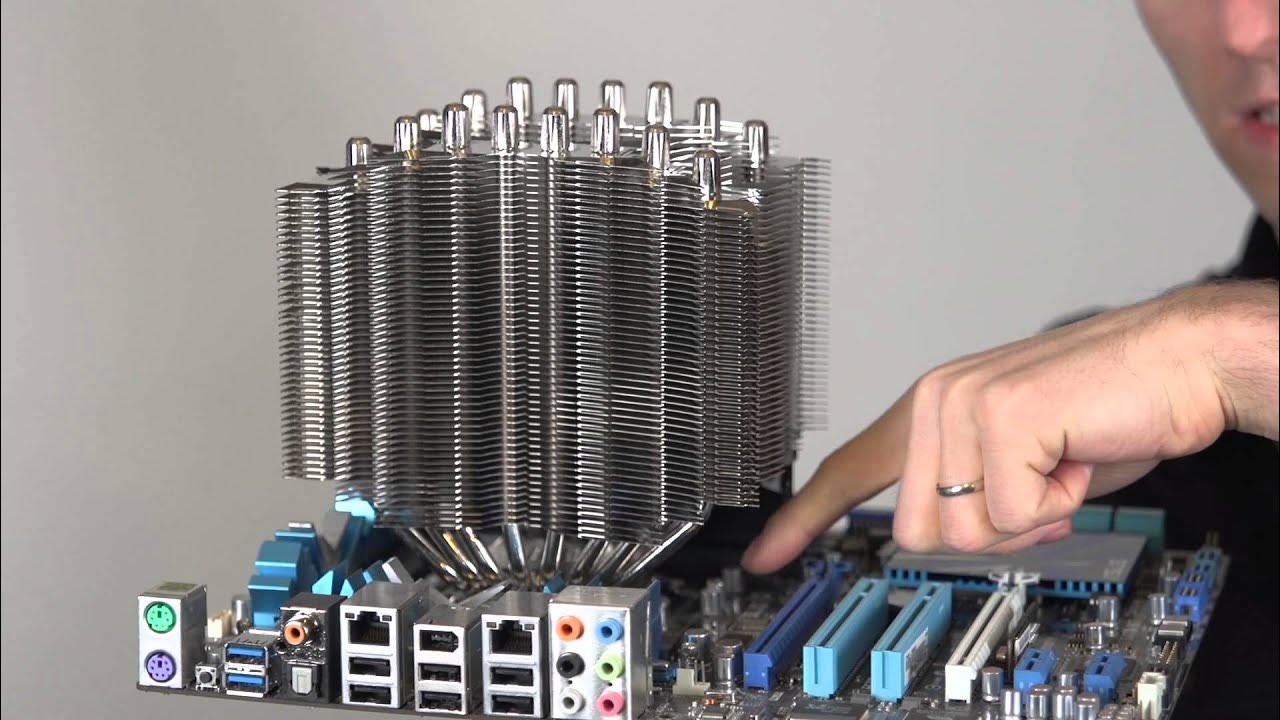
The video explains CPU cooling options suitable for average computer users who are not overclocking, focusing on stock coolers, aftermarket air coolers, and liquid cooling solutions. It begins by establishing that stock coolers are inexpensive, easy to install, quiet under normal use, and fit in most cases, though their performance is limited. The presenter then compares aftermarket air coolers, highlighting their larger surface area and ability to support higher-performance fans, which translate to better cooling and reliability due to fewer moving parts. He discusses practical tradeoffs, including compatibility challenges with high-profile memory modules, PCIe slots, and case dimensions, which can prevent certain coolers from fitting in smaller or uniquely configured builds. The discussion then shifts to liquid cooling options, noting their low-profile pumps and radiators, which free up space around the CPU socket and offer excellent cooling potential, especially with dual 120 mm or dual 140 mm fan configurations. However, liquid cooling adds another potential point of failure, such as pump or fan failures, and can be more difficult to install, requiring careful planning for radiator sizes and chassis clearance. The segment concludes with a reminder that one should assess chassis size and component layout before choosing liquid cooling, and encourages viewers to subscribe, like, and share for more Tech Quickie content while inviting topic suggestions for future episodes.
Topics · technology · hardware · computer-cooling
Questions answered
- What are the main advantages of stock CPU coolers for an average user?
- Stock coolers are inexpensive, usually come with the CPU, easy to install, relatively quiet for normal use, and fit in most cases without interfering with high-profile memory or other components.
- What are the major drawbacks of liquid cooling that a user should consider?
- Liquid cooling introduces an extra potential point of failure such as pump or fan failures, can be more difficult to install, and requires careful planning for radiator sizes and chassis clearance to ensure fit.