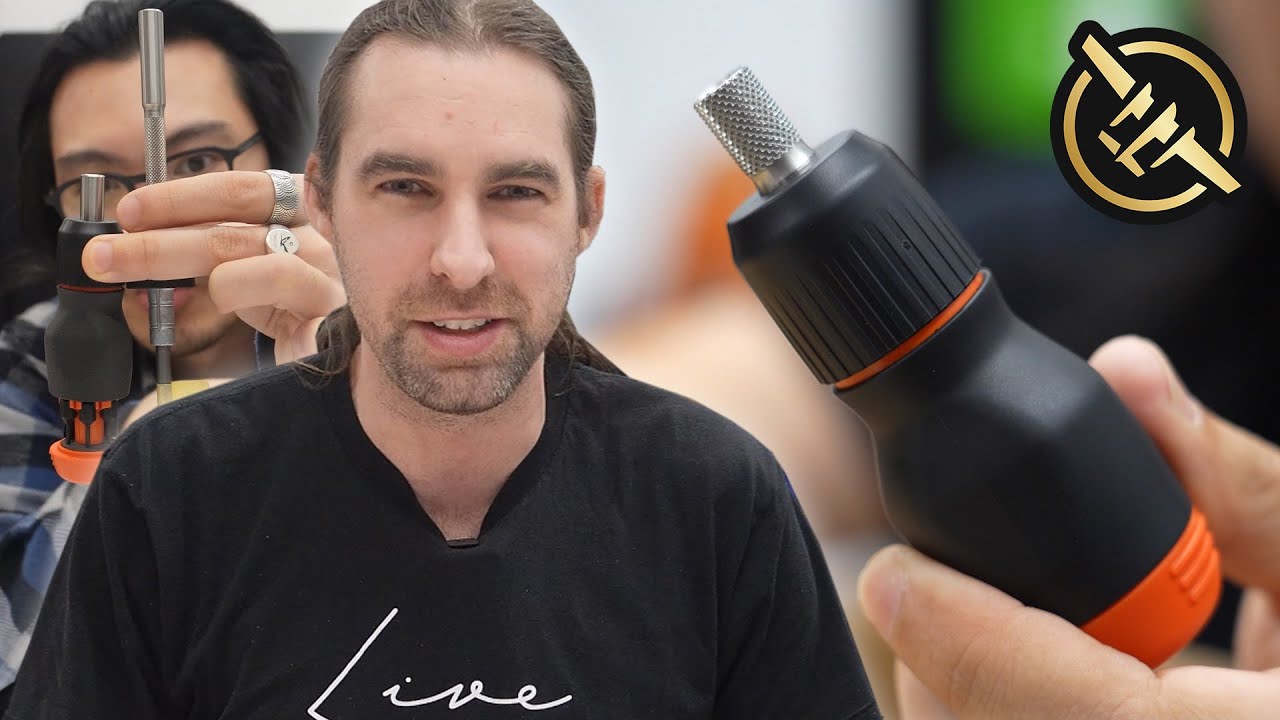
FP Exclusive Behind the Design - LTT Stubby Screwdriver
0 up · 0 down · 0 ratings
Description
Thank you for your support!
Promos
Check out Floatplane for more benefits at lmg.gg ► GET MERCH: lttstore.com ► LTX: lmg.gg ► SPONSORS, AFFILIATES, AND PARTNERS: lmg.gg ► OUR WAN PODCAST GEAR: lmg.gg FOLLOW US --------------------------------------------------- Twitter: twitter.com Facebook: @LinusTech Instagram: @linustech TikTok: @linustech Twitch: twitch.tv
This FP Exclusive Behind the Design delves into the development of the LTT Stubby Screwdriver, offering a high level look at how a compact tool is conceived, refined, and brought to life. The video likely begins by framing the design goals, including maneuverability in tight spaces and the balance between grip comfort and drive precision. Viewers can expect insights into how form factors were chosen to fit into a typical toolkit while preserving enough chassis strength for everyday use. The host or interviewee will probably outline tradeoffs considered during the concept phase, such as material choices and the impact of size on torque transmission. Overall, the opening segment sets the stage for a deeper dive into engineering decisions that shape a practical, reliable stubby screwdriver. In the middle sections, the focus shifts to material selection and manufacturing considerations. The video may explain why certain metals or polymers were selected for core components, such as the handle or shaft, and how these choices affect durability and weight. There could be a discussion of grip ergonomics, including texture, contouring, and resistance to fatigue during prolonged use. The segment likely covers tooling and production steps, from prototyping to mass production, highlighting design reviews and iterations that improved usability. Concrete examples, like how a small change in the handle radius or screw slot interface reduces slip, help ground these design decisions. As the design evolves, the video probably reveals testing protocols and real-world trialing. Expect demonstrations of durability tests, torque checks, and fit checks with common bit sizes. The host may compare the stubby screwdriver against full-length models to illustrate the advantages and limitations of a compact tool. There could be reflections on feedback loops between engineering, marketing, and field testing, showing how customer needs translate into concrete features. This segment reinforces how iterative testing leads to a robust final product rather than a single-shot design. The design for manufacturability likely receives particular attention, with explanations of how standard components and assembly steps influence cost and scalability. Viewers may learn about tolerances, assembly ease, and the rationale for any unique fastener arrangements or snap-fit elements. The episode might discuss how the tool’s length impacts balance, precision, and control during use, tying these performance attributes to user outcomes. The narration probably emphasizes the balance between keeping the tool compact and ensuring it remains a reliable workhorse in cluttered or restricted environments. Towards the concluding portion, the video ties together design intent with expected end-user benefits. You can expect a recap of core features, such as grip comfort, torque reliability, and compatibility with common bit types. There may be a forward-looking note about potential future revisions or related accessories that could complement the stubby screwdriver. The final takeaway likely stresses how thoughtful design yields a tool that fits into specialized tasks while maintaining everyday practicality. The host may invite viewers to consider how design choices translate into better workflow efficiency and satisfaction with a finished product. The closing moments summarize the overarching principle behind the design, reinforcing the idea that engineering choices are driven by real-world use cases and user feedback. Expect a concise restatement of the key benefits, including portability, comfort, and dependable performance under typical DIY loads. The video probably ends with a nod to the design team and the collaborative process that brings a specialized tool from concept to market. The takeaway is that even a small tool like a stubby screwdriver embodies careful tradeoffs, testing, and iteration that elevate it beyond a simple hand tool.
Topics · science & technology · product design · hardware · engineering