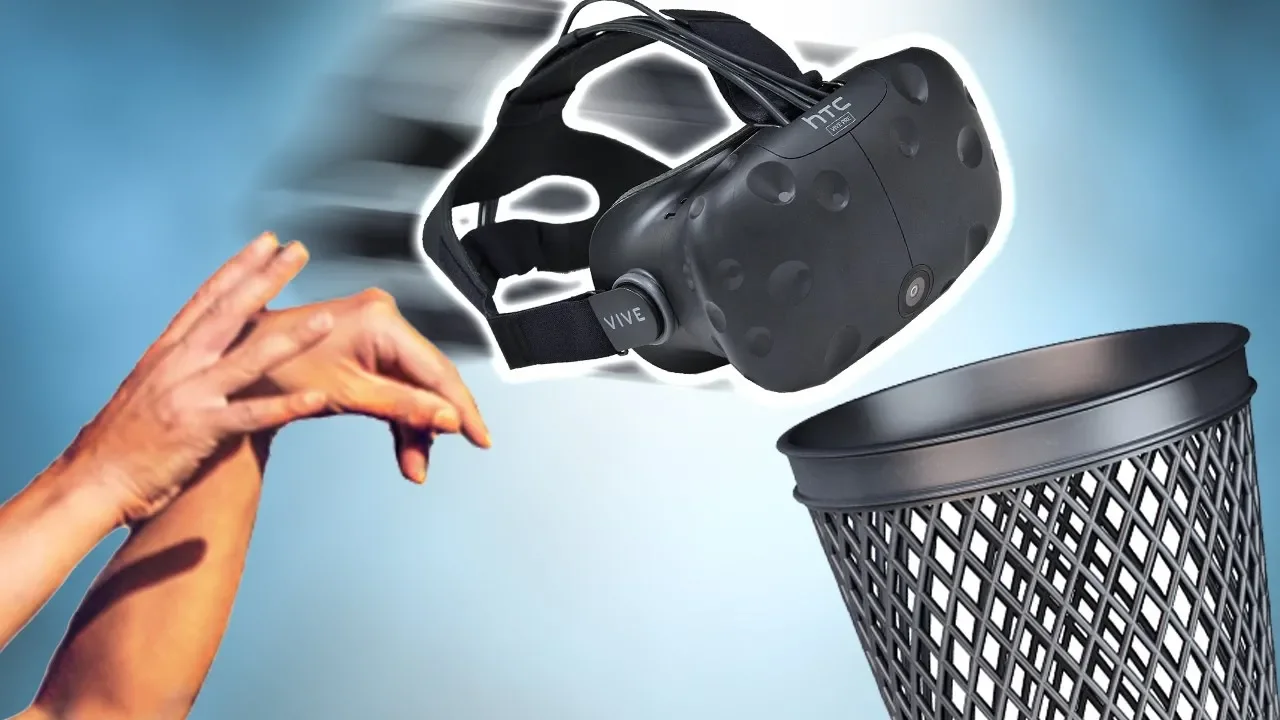
Why Virtual Reality Is STRUGGLING
0 up · 0 down · 0 ratings
Promos
Squarespace link: Visit squarespace.com and use offer code TECHQUICKIE to save 10% off your first order. Why aren't VR headsets more popular? Techquickie Merch Store: designbyhumans.com Techquickie Movie Poster: shop.crowdmade.com Follow: twitter.com Leave a reply with your requests for future episodes, or tweet them here: twitter.com Join the community: linustechtips.com Intro Theme: Showdown by F.O.O.L from Monstercat - Best of 2016 Video Link: youtube.com iTunes Download Link: itunes.apple.com Listen on Spotify: open.spotify.com
The video opens by recalling the buzz that greeted the Oculus Rift and HTC Vive when they first hit the market, with hopes of a mass market where anyone could strap on a headset and instantly immerse themselves in a responsive virtual world. It notes Facebook’s enormous $2 billion Oculus acquisition and then pivots to the reality several years later: VR has stagnated as a market, with manufacturers cutting prices yet sales remaining lackluster. The speaker highlights core barriers beyond graphics, including the need for high frame rates to avoid sickness, expensive hardware, and the nontrivial setup that makes VR feel inaccessible to many users. He argues the weight and bulk of headsets, the tangle of cables, and the large space required for a true VR experience deter average households, especially those with limited room. The video then explains why developers are cautious, pointing to a chicken-and-egg problem where tepid headset sales hinder a thriving ecosystem, which in turn dampens developer interest and investment. Finally, while acknowledging the obstacles, the narrative remains optimistic about long-term VR potential, noting that wireless adapters are emerging and applications beyond gaming could broaden adoption, including education, healthcare, and engineering, while AR experiences already attract more mainstream attention. The segment also hints at alternative revenue and user-experiences through education and professional use cases that could eventually drive VR into homes. The video closes with a light plug for Squarespace, framing a shift from physical workspace to digital presence, and encourages viewers to subscribe for more content while noting current promotions and support resources.
Topics · technology · gaming · science & technology
Questions answered
- What are the main barriers keeping VR from becoming mainstream according to the video?
- The video cites high hardware costs, the need for powerful PCs to maintain high frame rates, the weight and bulk of headsets, the clutter of cables, and the large space required for full immersion as primary barriers, along with a slower ecosystem due to limited software and developer momentum.
- What potential does VR have beyond gaming as discussed in the video?
- Beyond gaming, VR could find value in education, healthcare, engineering, and other professional fields. The video suggests that these non-gaming applications may become more popular and important as the technology matures and becomes more accessible.