Spherex Xbox 5.1 Digital Speakers Unboxing & First Look Linus Tech Tips
0 up · 0 down · 0 ratings
Description
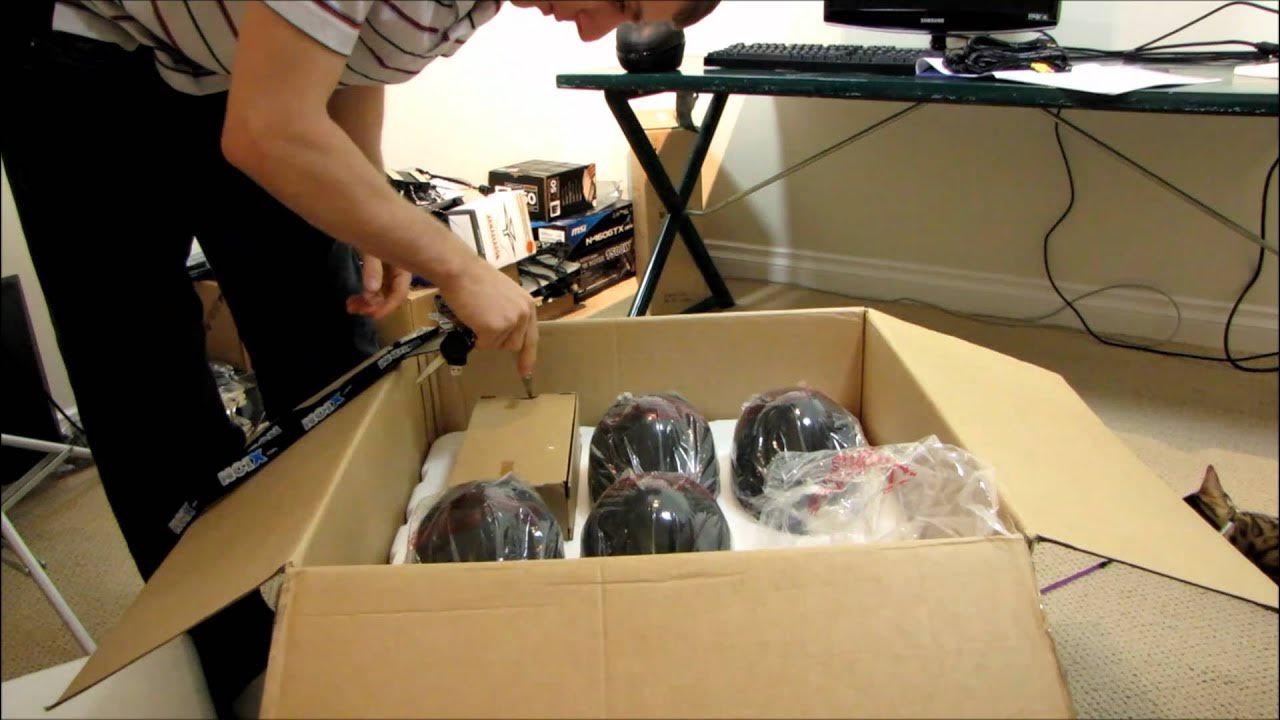
These have been literally discontinued for years, but I bought a set that I found in the warehouse and I'm pretty stoked to try these out, so here's my unboxing.
The video opens with Linus detailing an unusual unboxing of the Spherex Xbox 5.1 Digital Speakers, a legacy surround sound system that has long since been discontinued. He highlights the box’s aged look and explains that he found the unit in a warehouse, intending to repurpose it for a home theater setup by moving his computer speakers to the TV and utilizing the system’s digital input. The front of the packaging is described with five omnipolar satellite speakers designed to bounce sound off walls for a larger Sweet Spot, while the 8-inch powered subwoofer is noted for using technology that yields deep low-end perception. Linus also mentions the 300 W RMS digital 6-channel amplifier, optical input, and RCA compatibility, touching on the lack of modern analog options and limited future expansion due to the product’s age. Throughout, he scans the inclusions such as a remote, an IR receiver, speaker cables, and the control pod with its own display, while discussing the potential and constraints of integrating this system with contemporary setups. He concludes by reflecting on the nostalgia and engineering behind gaming-focused audio gear of the era, contrasting it with today’s offerings and lamenting the market’s shift away from premium sound for gamers. The unboxing ends with a tour of the subwoofer’s back panel, revealing power, infrared receiver, and input options, and Linus encourages viewers to subscribe for more unboxings and tech content. In the second segment, Linus dives into the satellite and sub design philosophy, explaining how the front panel’s dome-shaped elements direct sound toward the listener while also reflecting off walls for a fuller acoustic field. He demonstrates the grander design implications, including how the five satellites combine with the center channel to deliver 5.1 playback, and he physically manipulates the components to show the mounting points, cables, and finish. He notes the sturdy build and Xbox branding and reflects on the practicalities of placement and room interaction, offering honest musings about weight, cables, and how the product’s age affects support expectations. The discussion expands to media formats, with references to Dolby Digital and DTS, and he comments on the difficulty of finding new units, the rarity of parts, and the enduring appeal of a well-tuned gaming audio system that could still compare favorably with modern setups. In the closing portion, Linus catalogs the accessory lineup, including interconnects, the two-source optical/digital inputs, coaxial options, analog left-right channels, and the power connectivity among the rear panels. He remarks on the existential reality of a product line that faded away alongside evolving gaming hardware, yet he remains enthusiastic about the potential sound quality and the possibility of future expansion despite the discontinuation. The video wraps with a recap of the package contents, a quick physical review of the sub and satellites, and a call to action encouraging viewers to subscribe for more unboxings, reviews, and technology discussions, while acknowledging the personal joy of revisiting this retro gear.
Topics · technology · hardware · audio · unboxing · gaming · home-theater · legacy-products · retro-tech
Questions answered
- What makes the Spherex Xbox 5.1 system stand out for its time?
- The system used five omnipolar satellite speakers to direct sound toward the listener while bouncing other sound off walls, creating a larger Sweet Spot and a perception of richer 3D audio, paired with an 8 inch powered subwoofer and a 300 W RMS digital 6-channel amplifier with optical input.
- What inputs and connectivity does the system offer?
- It provides optical input, coaxial input, RCA analog connections, and a USB option for expansion, along with a control pod and a remote for operation.
- Why did Linus discuss the market decline of gaming-focused audio gear?
- He noted that even though the tech could deliver high quality sound, gamers historically prioritized price and perceived loudness over refined audio, leading to products like this going end-of-life as the market shifted.