Bring your video card back from the dead! - Oven method
0 up · 0 down · 0 ratings
Channels and socials
Can you save a dead video card by baking it in the oven? Massdrop link: dro.ps Cooler Master link: linustechtips.com Pricing & discussion: linustechtips.com Support us: linustechtips.com Join our community forum: bit.ly twitter.com @LinusTech Intro Screen Music Credit: Title: Laszlo - Supernova Video Link: youtube.com iTunes Download Link: itunes.apple.com Artist Link: soundcloud.com Outro Screen Music Credit: Approaching Nirvana - Sugar High youtube.com Sound effects provided by freesfx.co.uk
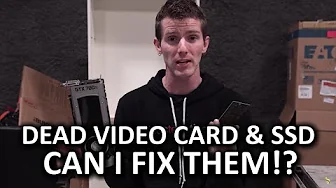
The video opens with the host presenting a resurrection experiment on a dead GTX 780 Ti, motivated by a failed Intel 750 series SSD in another system. He immediately sets the premise that this is a high-risk, warranty-invalidating procedure aimed at testing whether solder joints can reflow under heat and restore functionality. A detailed disclaimer follows, stressing that any warranty would be voided and that the procedure should not be attempted on devices still under warranty. The introductory segment also introduces the Cooler Master Master Case 5 and frames the oven-based approach as a deliberately aggressive troubleshooting method, not a standard repair practice. By laying out the goals and risks, the host primes the viewer for a step-by-step, hands-on demonstration that will mix theory with practical handling of components. The tone remains enthusiastic yet cautious, underscoring the experimental nature of the method while preparing the audience for the upcoming manipulations and measurements.
Topics · science and technology · hardware repair · how-to · experiments
Questions answered
- What is the core theory behind the oven resurrection method?
- The method relies on heating solder joints to their reflow temperature so brittle connections between chips and the PCB can rejoin, potentially restoring functionality after degradation due to thermal cycling.
- What are the major cautions before attempting this technique?
- Avoid doing this if the device is under warranty, use a dedicated non-food oven, and be aware that high heat can permanently damage components or release harmful fumes.