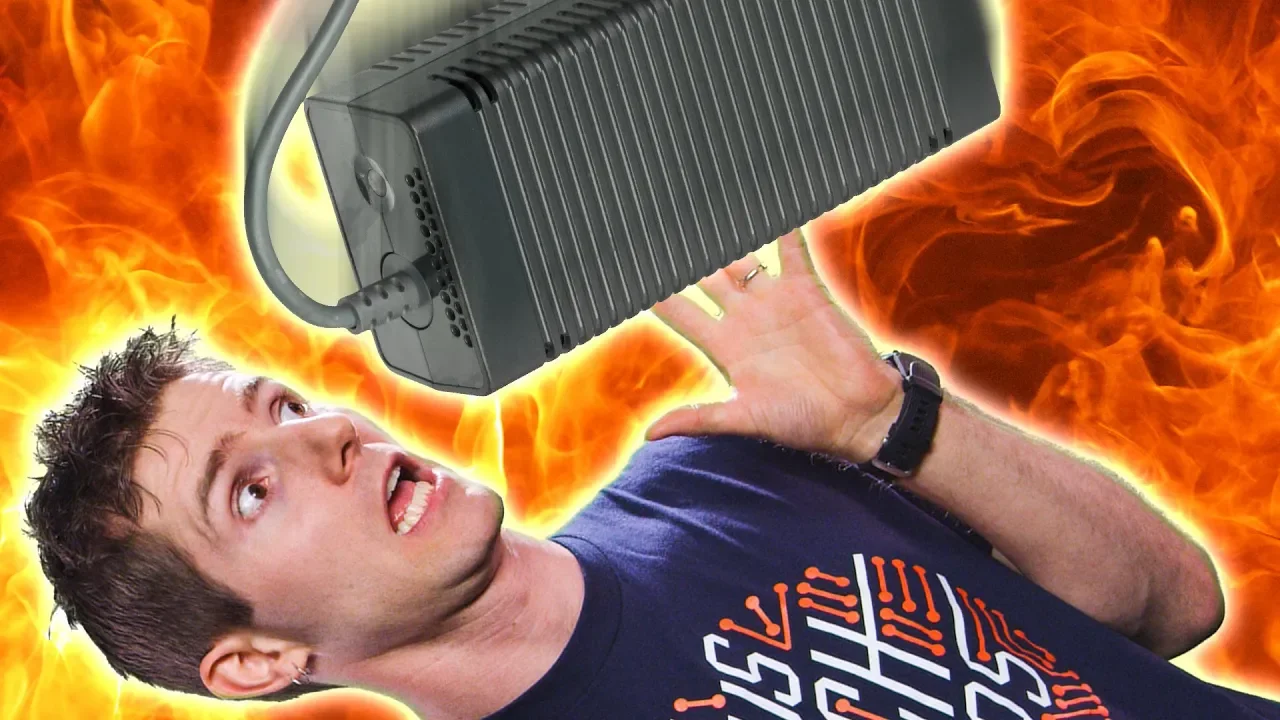
Why Power Adapters Are So HUGE
0 up · 0 down · 0 ratings
Promos
Check out the Massdrop x Sennheiser HD 6XX Headphones at dro.ps Why are external AC adapters often huge and unwieldy? Techquickie Merch Store: lttstore.com Follow: twitter.com Join the community: linustechtips.com Leave a reply with your requests for future episodes, or tweet them here: twitter.com
The video explains why external power adapters, often large and bulky, remain common despite devices getting smaller. It begins by contrasting the drive for portable gadgets with the practical requirements of powering them, highlighting that raw AC from wall outlets cannot be used directly by most modern electronics because it needs to be converted to DC. The host distinguishes between older linear power supplies, which were inefficient and produced a lot of waste heat, and modern switching adapters that use more sophisticated electronics to regulate voltages and currents. Switching power supplies improve efficiency and enable operation across different voltages and regions, but they still generate heat and can introduce electrical interference. The discussion covers why internal power supplies for desktops are heavy due to high wattage and cooling needs, and why built-in solutions are not always desirable due to bulk, heat, and cost. The segment then shifts to consumer devices, noting how smaller adapters and detachable cables mitigate clutter, while some devices still rely on external bricks for safety, isolation, and certification considerations. The video wraps up by noting that as electronics continue to become more power-efficient, adapters are likely to shrink further, while also promoting Massdrop and Sennheiser HD 6XX headphones as a current example of the era of external power bricks.Overall the key takeaway is that external adapters persist because safe, efficient DC conversion and regulatory requirements add size, heat management, and isolation needs that can’t be eliminated without redesigning the core device power architecture.
Topics · electrical engineering · consumer electronics · power supplies · hardware design
Questions answered
- Why do modern devices still require external power adapters instead of built-in power supplies?
- External adapters are often used to provide safe isolation, region-specific voltage handling, and regulatory-certified power conversion without exposing high voltage inside the device; switching designs improve efficiency and enable portability, but they add size, heat, and shielding requirements.
- What is the key difference between linear and switching power supplies and how does it affect size and heat?
- Linear supplies convert high wall voltage directly to a lower voltage but waste a lot of power as heat, making them large and inefficient. Switching supplies use high-frequency conversion with smaller transformers and improved regulation, which reduces size and heat but introduces complexity and potential EMI.