Why Do Motherboards Have Batteries?
0 up · 0 down · 0 ratings
Promos
Learn more about the MSI MEG CORELIQUID 360 AIO CPU Cooler at geni.us Buy your own on Amazon at geni.us Your motherboard has a battery to power something called a CMOS chip. But...why? Leave a reply with your requests for future episodes, or tweet them here: twitter.com ► GET MERCH: lttstore.com ► AFFILIATES, SPONSORS & REFERRALS: lmg.gg ► PODCAST GEAR: lmg.gg ► SUPPORT US ON FLOATPLANE: floatplane.com FOLLOW US ELSEWHERE --------------------------------------------------- Twitter: twitter.com Facebook: @LinusTech Instagram: @linustech TikTok: @linustech Twitch: twitch.tv
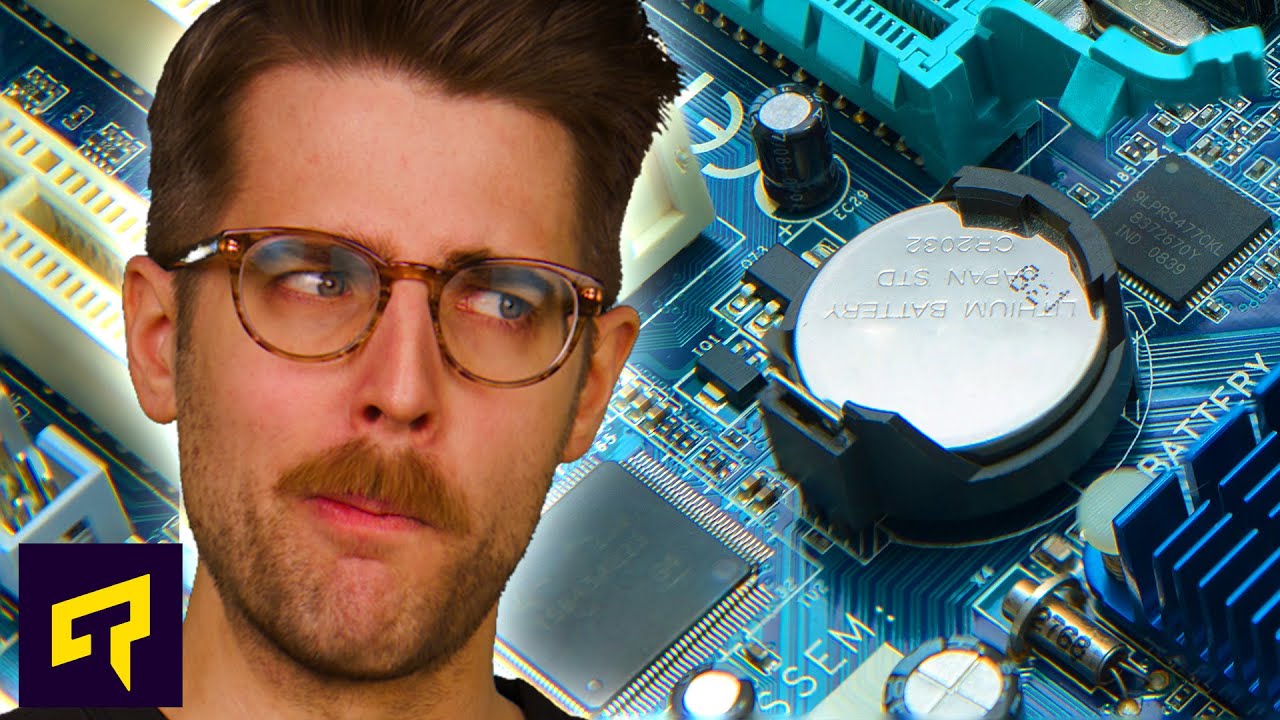
The video explains why motherboards still include a lithium coin battery. It starts by noting the presence of a small battery on most boards and explains that its historical purpose was to power a CMOS chip that stored BIOS settings. The host clarifies that CMOS stood for a common semiconductor type and was traditionally volatile, meaning settings would be lost when power was removed. To prevent this, a battery was included to keep the clock and essential data alive during power outages or unplugged periods. As technology evolved, BIOS storage moved from simple CMOS to non-volatile RAM with higher capacity, but the battery remains to maintain timekeeping, similar to a wristwatch powered by a battery. The video also touches on server practices, where time is often obtained via network time protocol at boot rather than relying on a local CMOS battery, but for home PCs the battery continues to play a useful role. Finally, it covers easy BIOS reset options like clear CMOS buttons and notes that, in practice, CMOS batteries last for years and do not require frequent replacement, making them a largely maintenance-free feature for most users.
Topics · technology · computer_hardware · timekeeping · BIOS · motherboard
Questions answered
- What is the CMOS battery for in a computer motherboard?
- It powers the CMOS chip that historically stored BIOS settings and timekeeping data, helping preserve clock time and basic configuration when the computer is powered off.
- Why do modern motherboards still have a battery if BIOS data moved to non-volatile RAM?
- The battery remains mainly for timekeeping and to maintain any small persistent data kept by some system components, ensuring the clock runs correctly when power is off.