The $12 Billion Trading Scam That Only Works If You Fail
0 up · 0 down · 0 ratings
Promos
Take your personal data back with Incogni! Use code CASUALFINANCE at the link below and get 60% off an annual plan: incogni.com Proprietary trading has quietly grown into a $12 billion industry, marketed as a shortcut to financial freedom. But beneath the surface, the math tells a very different story. In prop trading, 93% of traders lose, giving participants worse odds than being at a casino. In this video, I'll break down: • Why only 7% of prop trading accounts achieve payouts • How even successful traders only average ~4% returns • How gambler's ruin leads to inevitable failure over time • How social media has poured fuel on the fire Complex topics, simple breakdowns. Join my free weekly newsletter to stay ahead of what's actually happening in markets: casualmarkets.co #finance #stocks #business #trading #economics #stockmarket Disclaimer: The information provided in this video and on this channel (collectively, the “Content”) is for informational, educational, and entertainment purposes only and does not constitute investment, financial, legal, or tax advice, nor a recommendation to buy, sell, or hold any security or investment strategy. Investing involves risk and you must do your own research. Nothing in the Content should be interpreted as creating a fiduciary relationship, financial advisory relationship, or client relationship of any kind. The host, the channel, and all affiliated entities expressly disclaim any and all liability for any direct or consequential loss or damage arising directly or indirectly from the use of, reliance upon, or interpretation of the Content. By viewing or interacting with the Content, you acknowledge and agree to these terms and release the host and all related parties from any and all claims related to your reliance on the information provided.
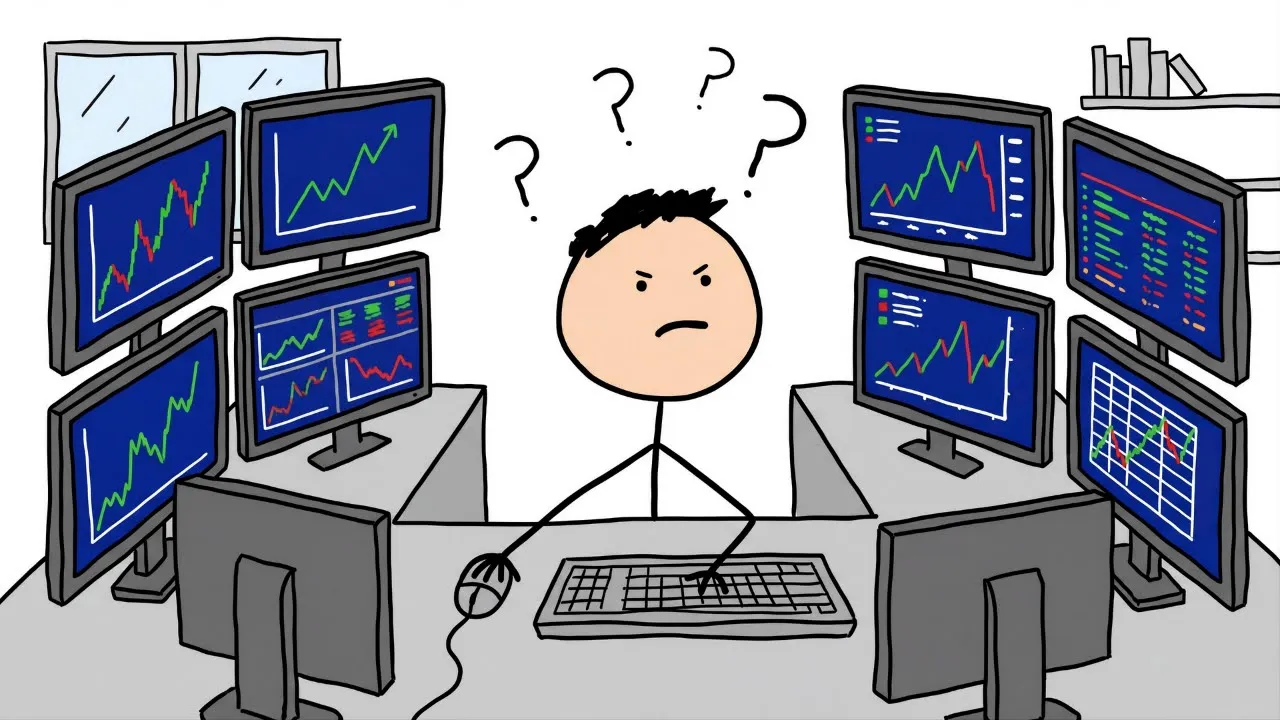
The video opens with a casino analogy to argue that retail prop trading has worse incentives than gambling, while still being marketed as a legitimate path to financial freedom. The host contrasts Hollywood-style trading with the retail version, which uses challenges, profit targets, drawdown limits, and community posts of profitable screenshots that may disappear after account resets. He frames proprietary trading, or prop trading, as a rapidly growing industry that is now mainstream, citing an estimated $12 billion market size driven by social media. He then presents key performance claims: only about 7% of prop trading accounts turn a profit, and even those successful traders average roughly a 4% return. The host argues this is not meaningfully attractive because a 4% return underperforms benchmarks and also fails to justify the fees and stress versus alternatives like US Treasuries. Next, the video explains how the prop firm business model is designed to profit from widespread failure. It describes a mechanism where traders pay a non-refundable upfront fee to attempt a challenge, receive a simulated paper account, and face drawdown limits that trigger keeping the fee and resetting the account if they fail. For successful traders, the host says the firm may offer profit splits, but the payouts come from a pool of fees collected from other traders who failed rather than from market profits. The host then connects the model to gambler’s ruin, explaining that with finite capital and non-positive expected value, losses become statistically inevitable over time due to repeated negative expected outcomes. He supports this with a roulette example focused on win probability per spin still leading to eventual ruin because the math does not change. The conclusion warns that prop trading functions as a system that only works if most participants lose, turning rare winners into marketing and asking viewers to stay away from the industry.
Viewers commonly praise the video as simple, educative, and clarifying, often describing a sense of relief or a new “reality check” after understanding how prop trading allegedly works. Many agree with the warning tone and call the model a casino or scam, pointing to paper trading, challenge fees, and incentives that profit from trader failure. A sizeable minority push back on specific claims, especially the interpretation of the “4% return” and comparisons to other investments, arguing the framing can be misleading or that prop firms can be useful for discipline and risk management. Several commenters mention confusion at first about what prop trading is, and some note algorithmic irony where trading ads appear after watching. Overall sentiment blends strong approval of the message and production with debate about accuracy, fairness, and whether prop trading is inherently exploitative versus conditionally beneficial.
Topics · finance · business · stock market · markets · economics · education
Questions answered
- What percentage of prop trading accounts manage to turn a profit?
- About 7% of prop trading accounts manage to turn a profit.
- What is the average return for traders who succeed in prop trading challenges?
- Successful traders average roughly a 4% return.
- What happens if a prop trading challenge trader hits the drawdown limit?
- The trader’s upfront fee is kept, the account is reset, and the firm and trader move on.
- Where do prop trading profit split payouts come from, if they are not market profits?
- The video states payouts come from the pool of fees collected from other traders who failed.
- How does gambler’s ruin explain why prop trading can fail most participants over time?
- It describes that with finite capital and non-positive expected value, a player will eventually hit bad luck and go bankrupt due to time and repeated negative outcomes.