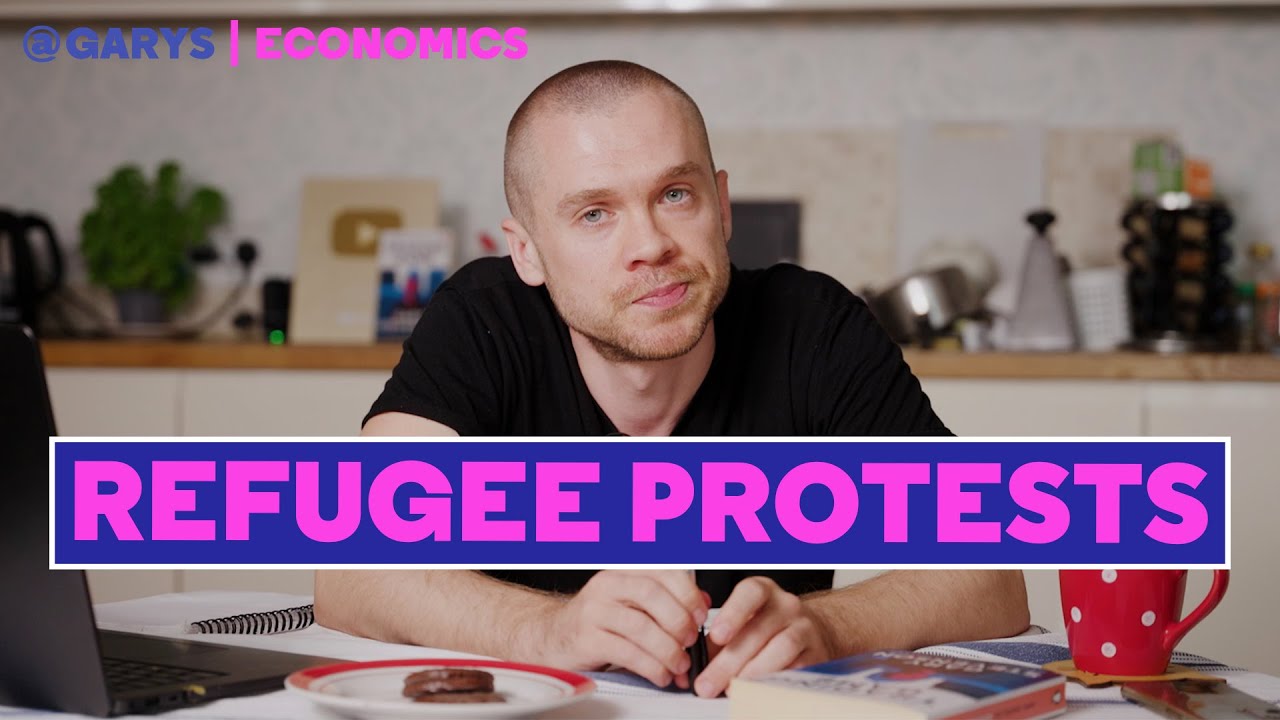
Refugee Riots – Salience and Storytelling
0 up · 0 down · 0 ratings
Promos
In times of crisis people are desperate for stories to explain why their lives are getting worse. This is why storytelling is the most important – and most ignored – aspect of politics right now. The far right offer a simple story, repeated over and over: it's the immigrants. The Trumps and Farages of the world are surging on the back of this simple, effective storytelling. Can we come up with a better story? ––––––––––– 00:00 Intro 03:02 What is salience? 07:02 The media decides what is or isn't discussed 08:29 The importance of storytelling 10:20 People need stories in times of crisis 14:55 The best storytellers take power 17:35 Citizen journalists on social media are powerful 22:29 Tell simple messages 23:22 What our story needs to be 25:22 WHY the far right is winning ––––––––––– JOIN OUR PATREON – patreon.com MAKE A DONATION TO OUR CAMPAIGN – buy.stripe.com ––––––––––– Follow Gary on other channels: LINKEDIN – linkedin.com SPOTIFY – open.spotify.com INSTAGRAM – @garyseconomics TIKTOK – @garyseconomics BLUESKY – bsky.app X – twitter.com FACEBOOK – @garyseconomics DISCORD – discord.gg WEBSITE – garyseconomics.org
In this analysis, the creator delves into the surge of refugee protests in the United Kingdom, using them as a case study to explain core media concepts such as salience, storytelling, wedge issues, and the bifurcated nature of contemporary society. The video begins by situating the protests outside hotels housing asylum seekers and explains how these events became a flashpoint in public discourse, shifting attention away from wealth inequality and taxation toward immigration. Through a personal narrative about early career experiences with media, the host defines salience as the visibility and framing of topics rather than the strength of the argument, illustrating how a topic can dominate coverage even if it is not the most important issue. The host recounts a pivotal interview on a right-leaning talk show where the discussion was steered toward narrow consumption questions, demonstrating how a media outlet can control the scope of public debate and thereby shape policy priorities. This leads to a broader claim: salience is not merely about winning arguments, but about controlling which issues receive airtime and emphasis across all media platforms. The discussion then shifts to storytelling, arguing that in times of crisis people crave simple, compelling narratives that offer hope or a clear path forward, while established parties may fail to provide such narratives. The video asserts that a lack of persuasive, new stories from traditional parties creates a power vacuum that the far right can fill, exemplified by the rise of Reform and Nigel Farage as accessible, memorable voices. The host emphasizes the role of citizen journalists and multi-platform distribution, noting how online and grassroots content can surpass traditional outlets in shaping public perception, especially as audiences increasingly consume news on social media and short-form video. A key takeaway is a call to action for the left, center, and moderate voices to craft and disseminate a simple, disciplined narrative about wealth inequality and its impact on living standards, in order to compete with the far right for salience. Finally, the video introduces the concept of a bifurcated society, describing how growing wealth inequality can create two disconnected groups: a wealthier elite and a struggling majority, which complicates policymaking and erodes social cohesion, while urging compassion and unity as essential to countering fragmentation. The overall message is that understanding media dynamics and delivering a powerful, inclusive story are crucial to weathering economic crises and building a more united political future.
Topics · politics · media · economics · society · public_policy · activism
Questions answered
- What is salience in media terms and how does it affect policy discussion?
- Salience is the visibility and framing of a topic in the media, determining what viewers repeatedly see and discuss, which in turn shapes public priorities and policy focus.
- Why does the speaker believe storytelling matters in politics?
- Because in times of crisis people seek simple, convincing narratives; compelling stories can mobilize support and determine which political options gain traction.
- How do citizen journalists influence modern political discourse?
- They amplify messages through ubiquitous online platforms, increasing the reach and speed of information, which can alter what topics dominate public attention.
- What is meant by a bifurcated society in this context?
- A social split where wealth concentrates at the top while the majority experiences stagnating or worsening living standards, leading to distrust and polarization.
- What remedy does the speaker propose for reducing far-right dominance in public discourse?
- Create and propagate simple, disciplined messages about wealth inequality and its impact, and engage across multiple platforms to reclaim salience.