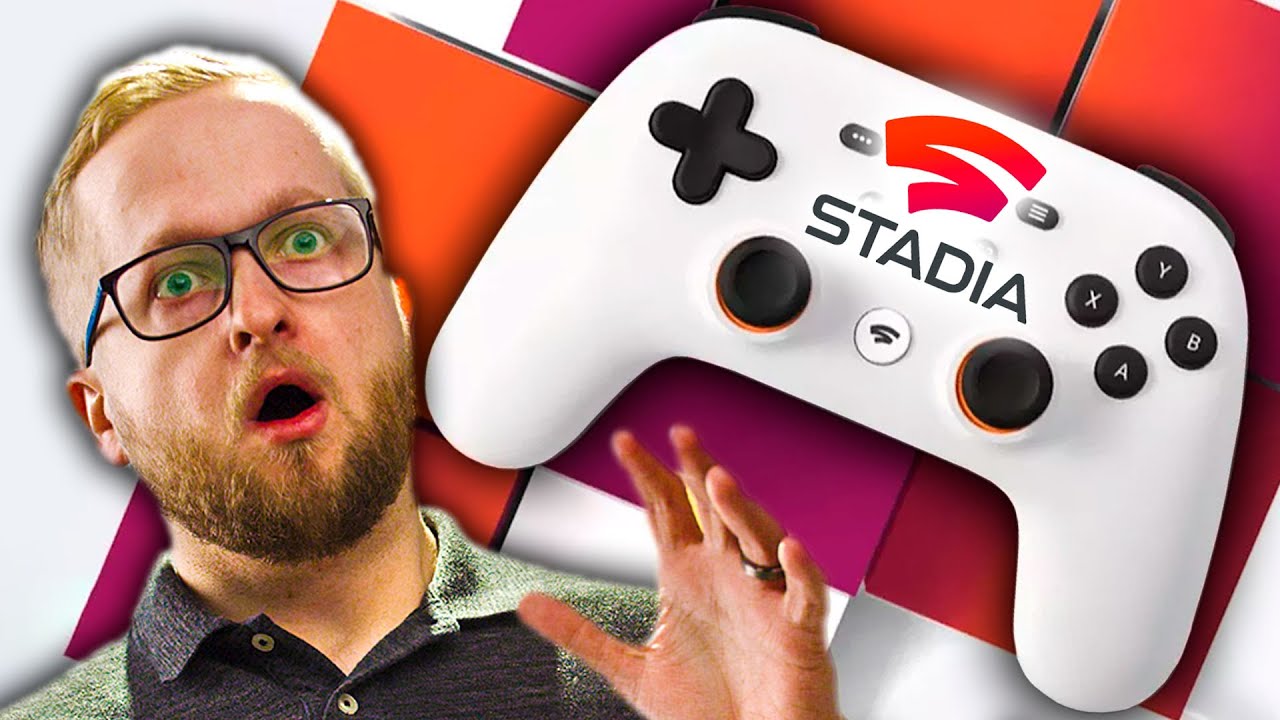
The FUTURE of Gaming!?
0 up · 0 down · 0 ratings
Promos
Visit squarespace.com and use offer code TechLinked for 10% off GET MERCH: lttstore.com Twitter: twitter.com Instagram: @TechLinkedYT Facebook: @TechLinked NEWS SOURCES: THE “YOUTUBE RED” OF GAMING Stadia launch video youtube.com Kotaku interview kotaku.com Digital Foundry’s testing: youtube.com [look at the tables] eurogamer.net DOOM Eternal youtube.com Obstacles gamesindustry.biz Do we want this? bbc.com Is this about YouTube? theverge.com TRACE RAYS WITH THE BEST OF ‘EM Ray tracing coming to GTX 10 + 16 arstechnica.com Tomb Raider finally gets RTX kitguru.net Control gets RTX youtube.com Quake II w RTX youtube.com Unity has RTX arstechnica.com PLEASE BUY A VR HEADSET wired.com slashgear.com At the same time, Oculus Rift S is a downgrade in some areas youtube.com oculus.com QUICK BITS NOT A BOX, AN XCLOUD engadget.com thurrott.com I WANNA XE THE BOREALIS youtu.be tomshardware.com OUR EXCLUSIVE LIST IS EPIC vg247.com THE PAPER IS MIGHTIER THAN THE PC fastcompany.com youtube.com STACKS ON STACKS hexus.net
The video examines the nascent state of cloud gaming with a focus on Google Stadia, describing Stadia as a streaming platform that runs games on cloud servers rather than on local hardware. It explains that Stadia would work on any PC with Chrome, any TV with Chromecast, or mobile devices, with virtually all processing done remotely on custom AMD GPUs and CPUs, and target capabilities up to 4K and 60 FPS. The presenter notes lingering questions about latency and how responsive Stadia will feel in fast-paced multiplayer titles, highlighting early Digital Foundry tests that show latency is higher than traditional local gaming. The segment also touches on the philosophy of streaming as a potential revolution in gaming while acknowledging unknowns about which titles will be viable and how latency will affect competitive play. Beyond Stadia, the episode covers related highlights from tech events, including Nvidia RTX coming to older GPUs, RTX-enabled games like Tomb Raider and Control, and the Unity engine adopting RTX as a built-in feature. The hosts compare competing streaming efforts like Microsoft xCloud and discuss other advancements such as high-end VR headsets like the HP Reverb and the Oculus Rift S, while noting that reception to these technologies is mixed and contingent on performance, pricing, and ecosystem support. Practical bits include quick mentions of new hardware, software partnerships, and content distribution strategies, framed in a lively hosts’ banter that balances optimism with skepticism about how soon cloud gaming will become mainstream. The episode concludes with a reminder that the show publishes multiple times weekly and invites viewers to subscribe for more tech news, with casual acknowledgments of the hosts’ dynamics and on-screen humor throughout.
Topics · technology · gaming · cloud computing · virtual reality · graphics hardware · video games
Questions answered
- What is Google Stadia and how does it work according to the video?
- Google Stadia is described as a game streaming service that runs games on cloud servers, with user devices acting as terminals for input and display. It would require no significant local processing, with cloud machines handling rendering and encoding to stream up to 4K 60 FPS to devices via the internet.
- What are the main concerns raised about Stadia in the video?
- The primary concern is latency, since higher delay can impair performance in fast-paced multiplayer games. The video references early testing showing latency higher than local PC or console gaming, which could impact gameplay feel and competitiveness.
- What other technologies or services are mentioned in relation to the future of gaming?
- The video discusses Nvidia RTX coming to older GPUs, VR headsets like the HP Reverb and Oculus Rift S, Microsoft xCloud as a competing streaming effort, and RTX support expanding to Unity and other games.